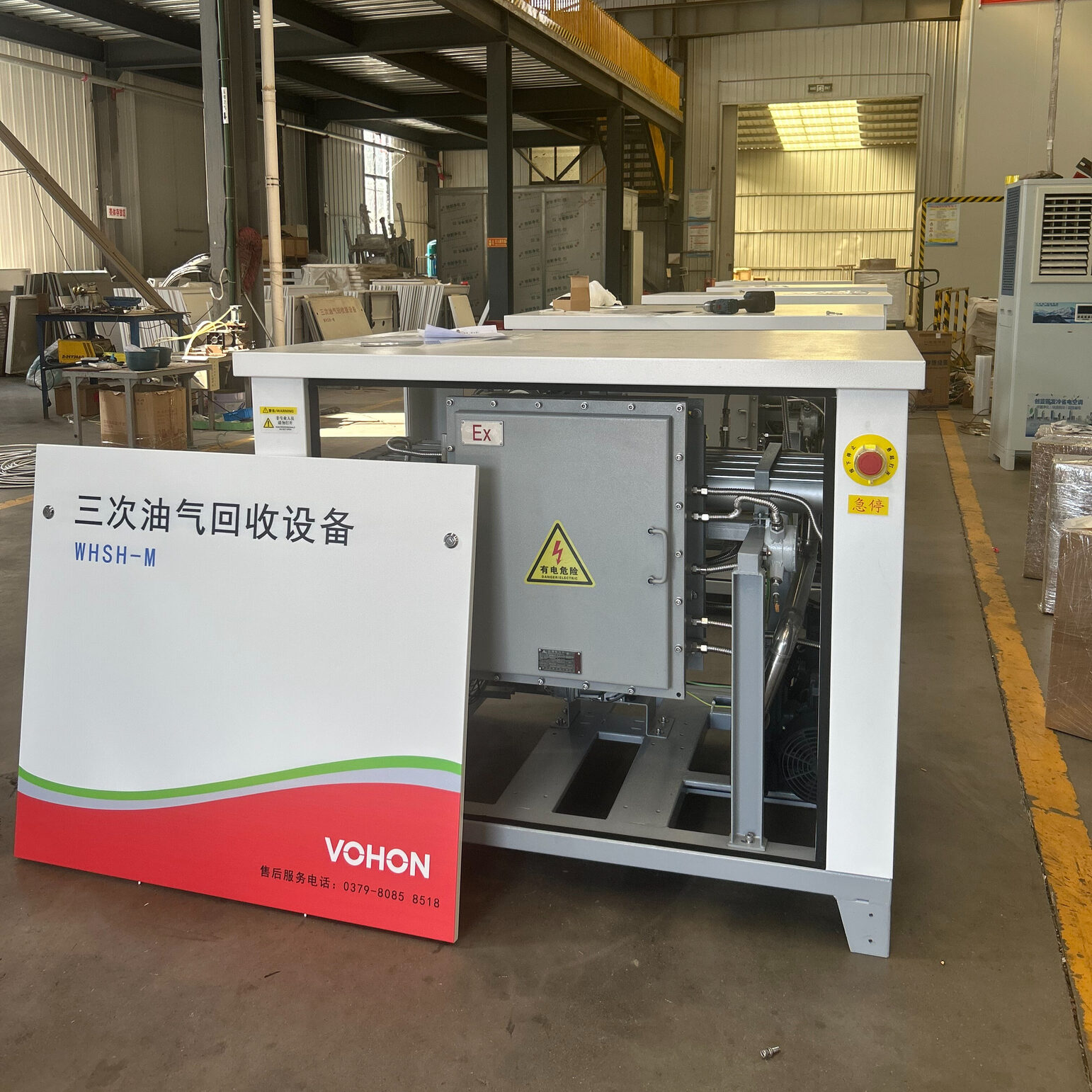
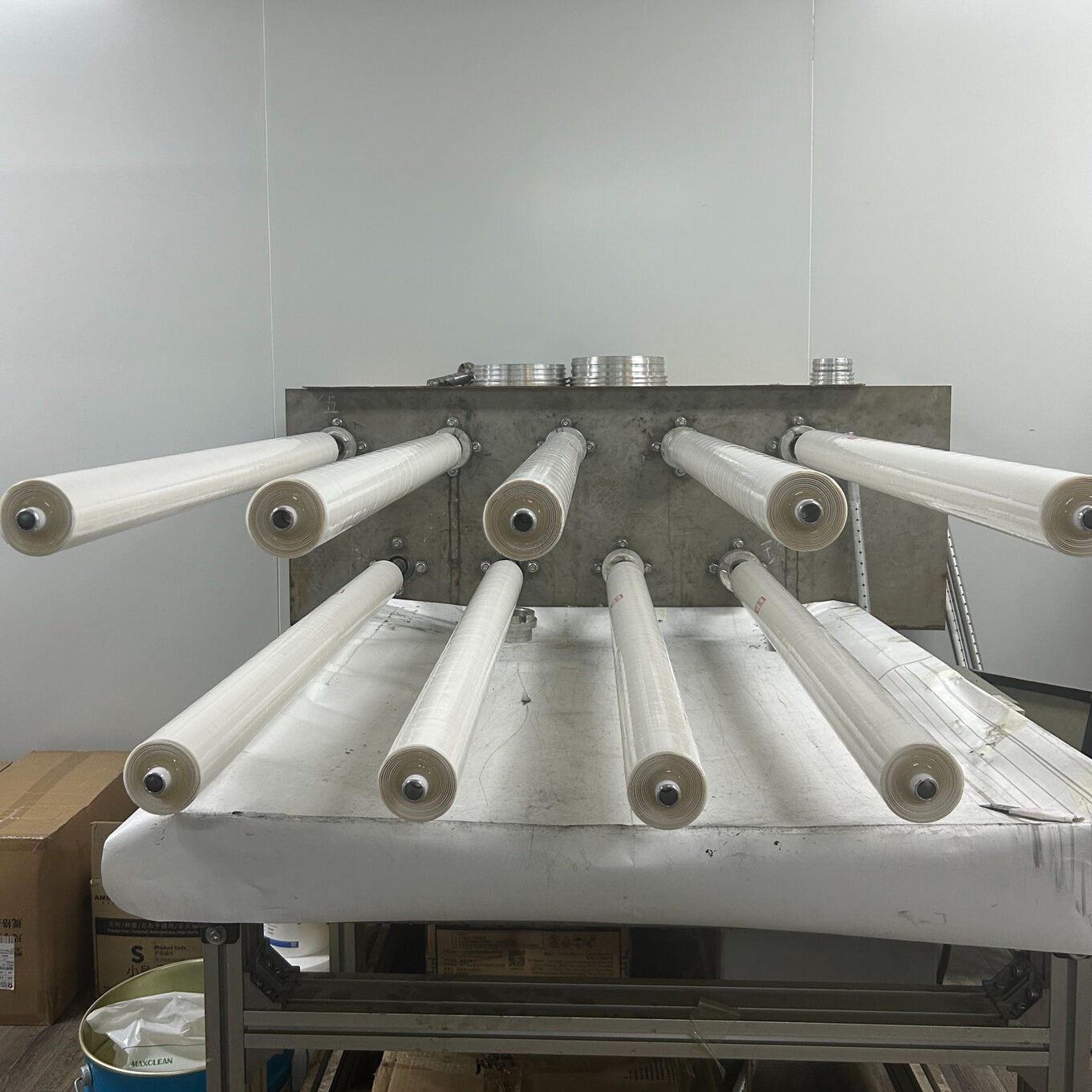
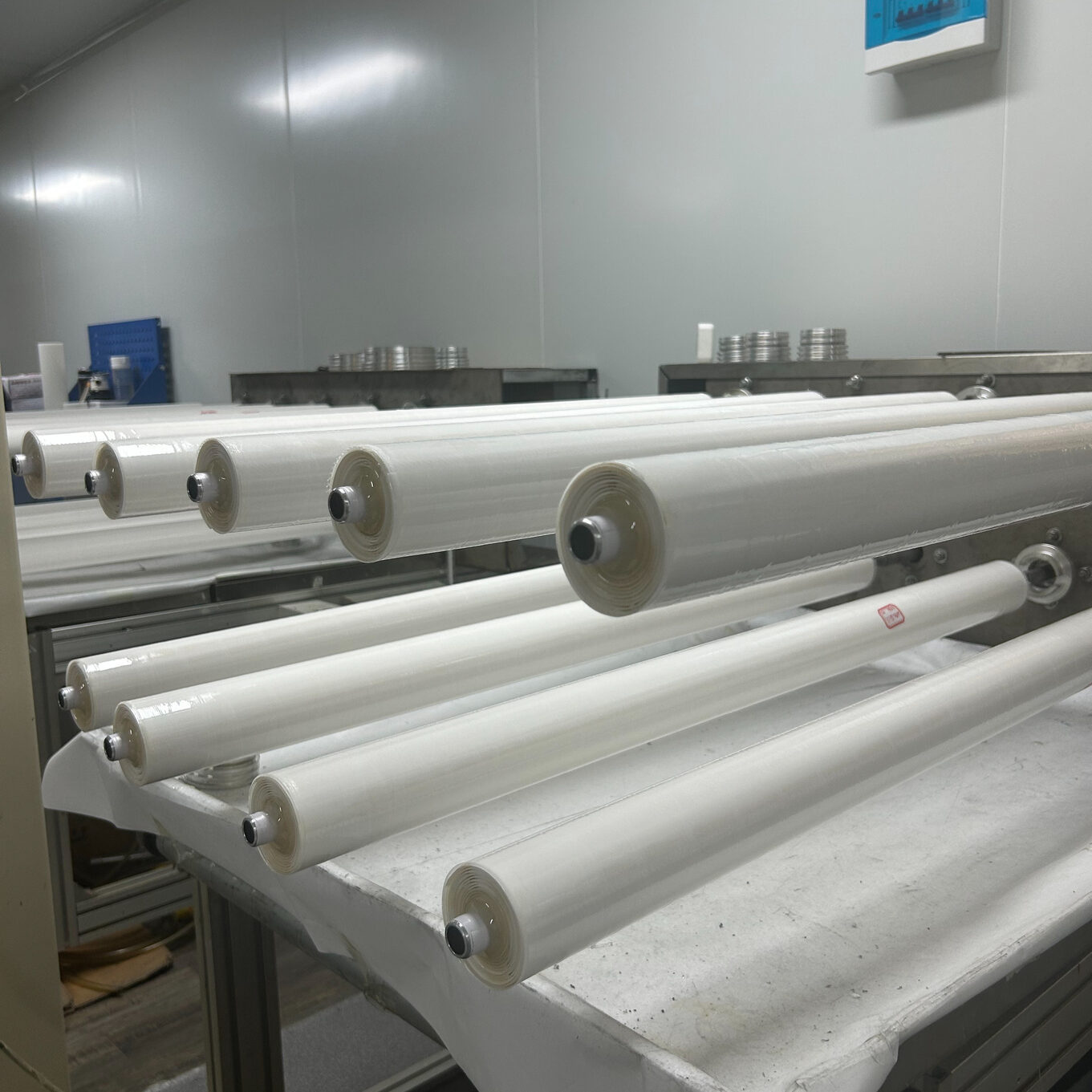
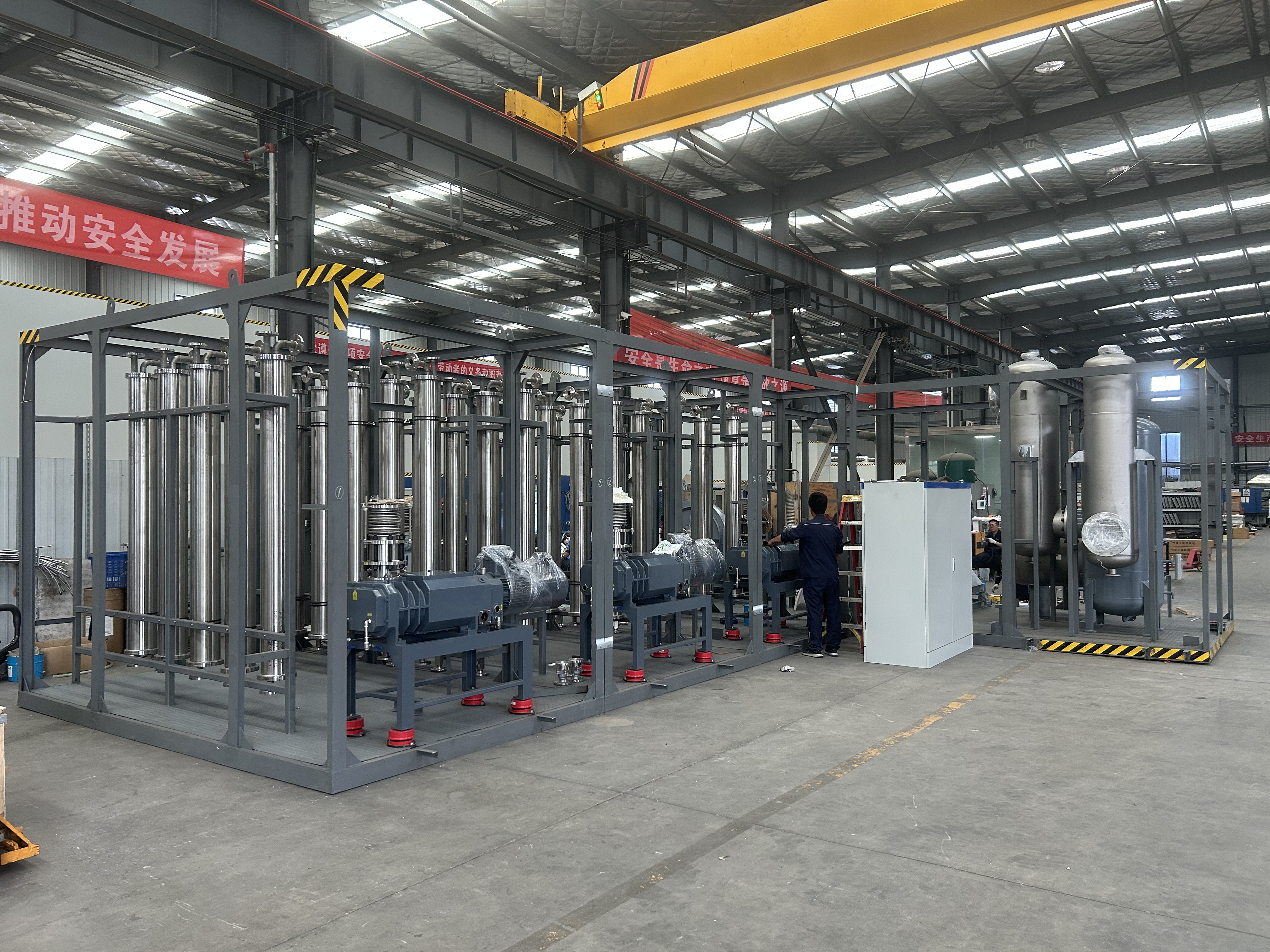
How to recycle the waste gas of dimethylacetamide? The main line consists of three steps: spinning and drying, reaction kettle breathing, and closed collection of amide containing tail gas from discharge points such as the vacuum system. The steam is condensed and recovered through two-stage condensation. The condensate is directly sent to the refining unit for dehydration and purification based on its complete solubility with water and non stratification characteristics, and reused according to quality. It has a boiling point of about 165 ℃, limited volatilization at room temperature, and emissions are concentrated in the hot process. The main idea of this process line is to arrange the collection according to the high temperature points.
The first is high boiling point and limited volatilization at room temperature. The boiling point of about 165 ℃ results in low volatilization at room temperature, minimal loss during storage and transportation, relatively mild condensation conditions, and lower energy consumption and frost risk of refrigerants compared to low boiling point solvents.
The second is that emissions are concentrated in the thermal process. The hot air for spinning and drying, high-temperature breathing in the reaction kettle, and vacuum pump discharge will bring out a large amount of steam. These points have high temperatures and concentrations, and are the main battlefield of the collection system; Among them, the dry hot air volume is large and the concentration is diluted, so it needs to be separately calculated when collecting.
The third is complete compatibility with water. The mixture of condensate and carried water vapor does not separate into layers and cannot be separated by static separation like esters. Dehydration must go through a refining unit, which directly determines the condensate treatment route and operating costs.
The drying and spinning hot air discharge outlet is directly connected to the collection main pipe through a pipe, and the high-temperature section of the pipeline is insulated to prevent premature condensation and accumulation of steam; The breathing port of the reaction kettle and the discharge of the vacuum pump are separately led into a branch pipe, which is first buffered and stabilized before flowing into it; The ambient temperature storage tank and the batching process are connected together through a breathing tube for collection. Before merging multiple branches, the coefficient of simultaneous use shall be determined, and the economic feasibility of dry branches with high air volume and low concentration shall be calculated before deciding whether to merge or treat them separately; Maintain the slope of the pipeline and set a low point for drainage.
The high-temperature emission source is configured in two stages of condensation: the first stage pre cools and reduces the temperature of the high-temperature exhaust gas, and carries water vapor, while the second stage condenses and recovers most of the amide vapor. Cooling capacity is recovered between the two stages to reduce energy consumption; Due to its high boiling point and tendency to condense, the condensation temperature required to achieve the same recovery rate is milder than that of low boiling point solvents. The comparison of its recovery with common water-soluble solvents is shown in the following table:
| comparison dimension | Dimethylacetamide | Low boiling ester ketones |
|---|---|---|
| boiling point | About 165 ℃ | Mostly around 80 ℃ |
| Room temperature volatilization | Limited, emissions are concentrated in the hot process | Clearly, it continues to evaporate at room temperature |
| Condensation condition | Mild and low refrigerant energy consumption | Need for deeper cooling temperature |
| Condensate treatment | Mutual solubility without layering, directly sent for refining | Most can be placed still and layered |
The dehydration and purification of miscible condensate mainly rely on distillation: the operating conditions of the tower are determined according to the composition and moisture content of the condensate, and the dehydration depth is determined according to the quality requirements for reuse; Spinning reuse is sensitive to moisture and impurities, and the configuration of the refining section should be reversed according to reuse standards. Refined residual liquid shall be reused or entrusted for disposal according to its composition and quality, and recorded in the ledger batch by batch; Recycled liquid should be tested in batches before being reused as ingredients. In situations where the reuse cycle is long, inventory should be controlled and first in first out should be implemented.
After refined dehydration and batch testing, those that meet the quality requirements for spinning or batching can be reused; Batches with excessive moisture or impurities will continue to be refined or entrusted for disposal, subject to actual measurement data and reuse standards.
Stratification relies on the non solubility of two phases to form an interface. Dimethylacetamide is miscible with water in any proportion, and there is no interface to separate. Standing still will only absorb moisture, and it must be dehydrated in the refining unit. This cost is included in the design of the scheme.
It should be calculated separately based on air volume and concentration: a large air volume means high equipment investment and energy consumption, while a low concentration means limited recovery per unit; In most cases, priority is given to reducing the amount of hot air circulation before condensing, which significantly improves the economy.
LuoyangWohong PetrochemicalEquipment Co., Ltd. provides design, manufacturing, installation, commissioning, and operation services for high boiling point medium recovery devices such as dimethylacetamide. Welcome to contact and exchange ideas.
This article is organized by Luoyang Wohong Petrochemical Equipment Co., Ltd. If you need to evaluate the recovery plan of amide solvents or conduct on-site investigations, please feel free to contact and exchange ideas.
Mr. Li 13526990215

Hotline