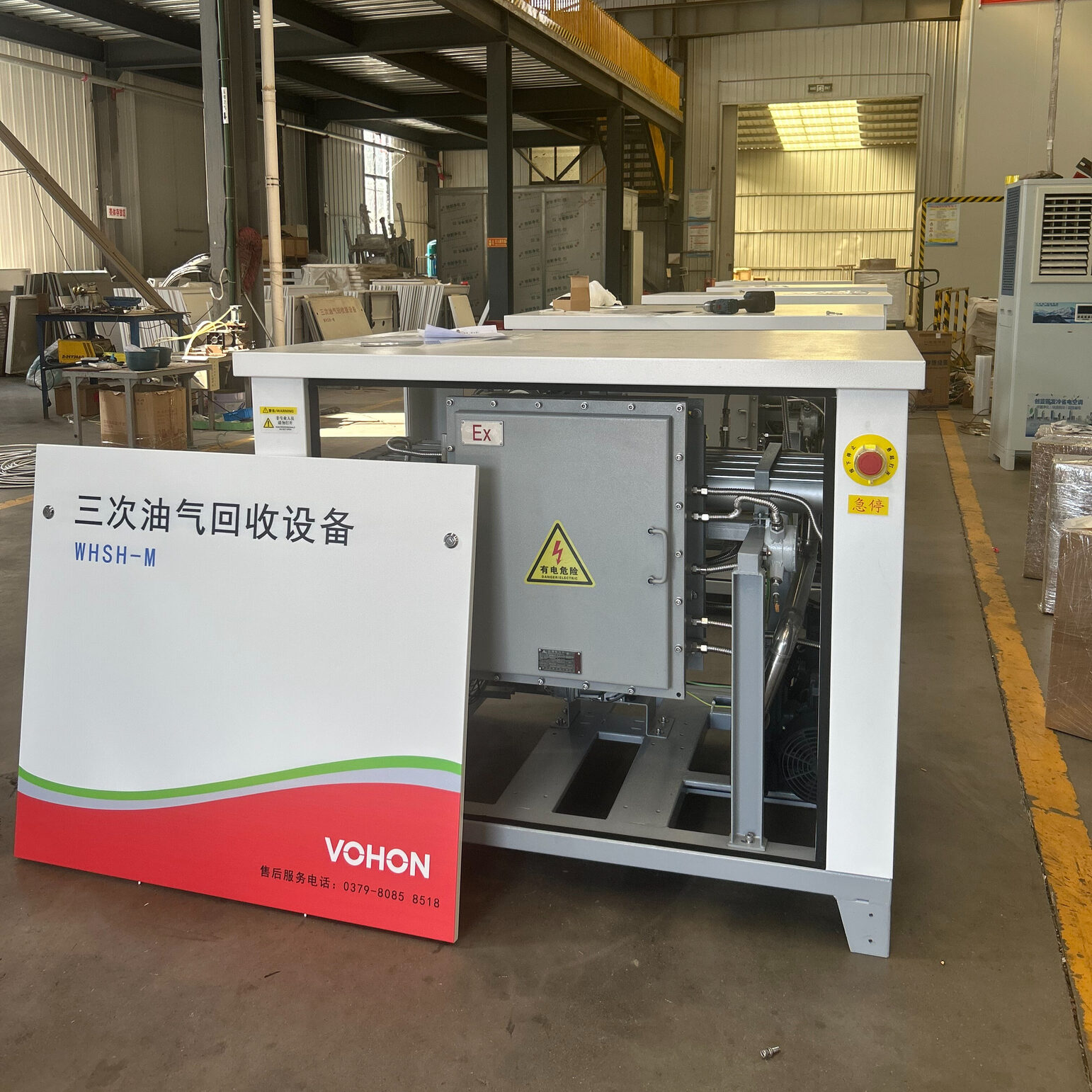
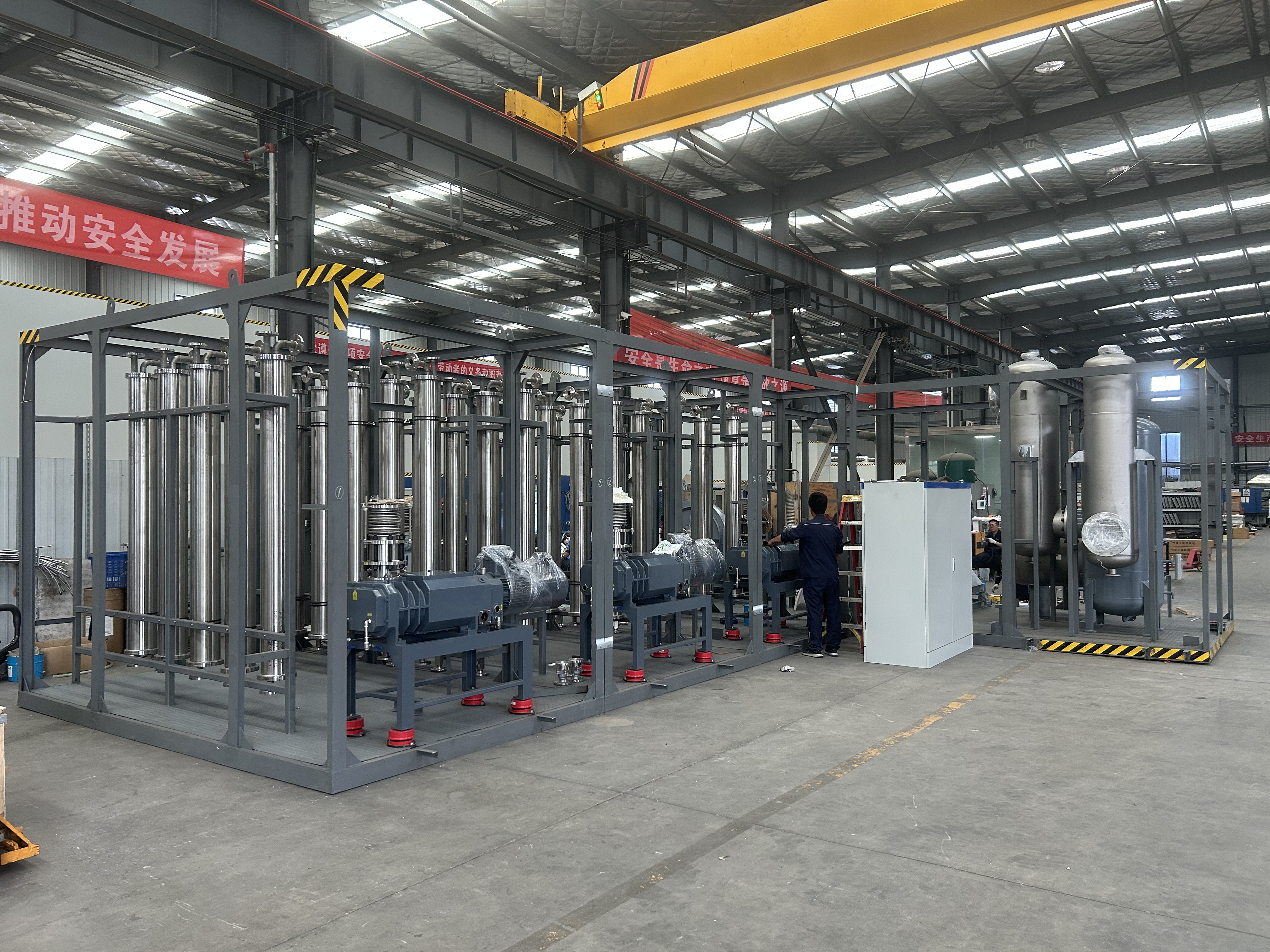
Unloading is the most concentrated stage of oil and gas emissions at gas stations. Even if the processing capacity of the tertiary oil and gas recovery equipment is sufficient, the sealing of the unloading process and the lack of smooth gas return will still compromise the effectiveness.

The oil unloading pipe and return pipe of the oil tanker should be connected with quick couplings with sealing rings. Aging and missing sealing rings are common causes of leaks. Checking the condition of the sealing ring before loading is much more convenient than checking for leaks afterwards. It is also common for the return air outlet to be blocked by debris. After connecting the pipe, observe the return air pressure gauge briefly to confirm that the passage is smooth before starting the pump.
The unloading flow rate is too fast, and the oil and gas in the tank cannot return to the tanker through the return pipe in time. The pressure at the top of the tank increases, and the breathing valve jumps to discharge directly. Controlling the unloading rhythm according to the tank capacity and pipe diameter, and slowing down before the liquid level approaches the high level alarm line, is a simple and effective approach.
After unloading the oil, do not immediately resume refueling operations. Let it sit for a period of time to allow the oil and gas to stabilize in the tank. Record the unloading volume, gas return status, and equipment operation status of the day in the ledger. When there are abnormal fluctuations in the recovery volume, the ledger can help identify which vehicle and time period the problem occurred.
The return air pressure is relatively high, mostly due to obstruction of the return air passage. Check the tank truck's return air valve and the station's return air riser; There is a noticeable oil smell at the oil discharge port. First, replace the sealing ring and then recheck the tightness of the joint; Frequent device alarms, copy down the alarm code and contact after-sales service. Do not repeatedly reset to cover up the problem.
Mr. Li 13526990215

Hotline