How to prevent cross contamination of recycled solvents? Direct answer: Two gates - pre switching blowing and cleaning, and separate tank management for recycled liquid. The residual solvent from the previous batch in the system pipeline, heat exchanger, and storage tank can be switched without blowing, and the residual mixed into the new batch directly lowers the purity; The recycling end receives materials in separate cans according to their varieties, and in case of material mixing, it will be locked in a small area. Blow with nitrogen or dry air until the outlet concentration drops to the background value; Separate the tanks according to the type and brand of solvent, and label the tanks and pipelines clearly. It is better to have multiple tanks than to mix them together for downgraded use.
There are more residual points in the system than expected: liquid accumulation at low points in the pipeline, retention in the heat exchanger and condenser, liquid storage in the vacuum pump and compressor, and attached liquid on the walls of the buffer tank and storage tank. The total amount of these residual liquids is not large, but mixing them into the next batch is a quality accident - especially between varieties with large polarity differences. A small amount of residue may prevent the entire batch of recycled liquids from meeting the reuse criteria. The more frequent the switching and the greater the variety difference in working conditions, the higher the pollution risk, and the stricter the requirements for purging and tank separation.
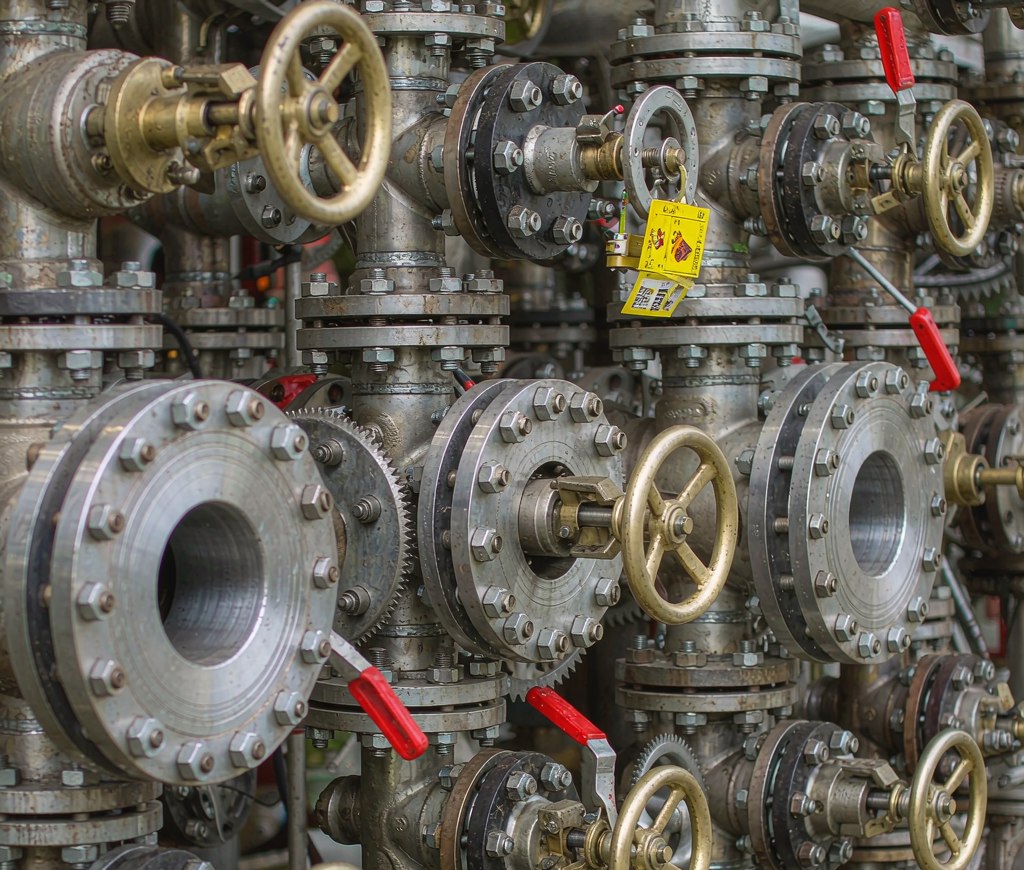
The blowing medium should prioritize nitrogen, followed by dry air, and the key is drying - a gas source with water is equivalent to introducing the second type of pollutant. The blowing path covers all residual liquid points: from the buffer tank to the storage tank, from the heat exchanger to the vacuum pump, and is gradually ventilated. The qualification criterion is that the export concentration drops to near the environmental background value, and the portable detector continuously reads stably. There is no fixed value for the duration of blowing, and the detection results speak for themselves. If conditions permit, for varieties with high value or high purity requirements, after blowing, they should be pre washed with a small amount of new solvent, and the pre washed solution should be collected and processed separately without entering the recycling tank.
The recycling end is divided into tanks according to the variety and brand, and the tanks are labeled with the variety, receiving date, cumulative amount, and testing status. Blind plates or double valves are used for pipeline switching, and the first received liquid after switching is tested in the isolation tank and then combined with the tank after passing the inspection. Regularly clean the storage tank and remove the accumulated high boiling substances and moisture at the bottom of the tank. On the ledger, each batch of recycled liquid corresponds to the source batch, testing data, and destination, and any quality issues can be traced back to specific links.
| measures | Resolve what | Key points of implementation |
|---|---|---|
| Blow before switching | System residue | Priority should be given to nitrogen, and the outlet concentration should meet the standard |
| Pre wash isolation | High purity requirements | Pre wash solution cannot be collected separately into the tank |
| Separate tank receiving | Stop loss due to material leakage | Separate and label cans according to variety and brand |
| First detection | Checking and controlling the cans | Qualified merging, unqualified isolation |
| Regular tank cleaning | Accumulated impurities | Regular cutting of tank bottom water and high boiling materials |
Preventing cross contamination is not complicated, but the difficulty lies in executing it properly every time the switch is made. Write the blowing and tank separation into the switching process card, and ensure that the execution is based on evidence and the inspection is carried out properly, so that the quality can be stable.
If the indicators of the recycled liquid are abnormal, the traceability path is readily available: check the time window for switching batch records, check the blowing records to confirm the execution status, and narrow down the range of tank identification and testing data. Record the complete site and lock in the link within one or two hours; If there are no records, we can only conduct a full tank inspection, which may take time and effort to find. That's why the blowing time and detection values need to be recorded at the time - they are usually files, and when problems arise, they are clues to solving the case.
Prioritize nitrogen, followed by dry air, and the key is low humidity and low oxygen content. The quality of the gas source directly affects the blowing effect.
Combine compatible varieties based on actual variety and frequency, and the principle is to mix harmless ones to form a container, not to compromise.
Testing purity and moisture content before reuse is a basic requirement. Only when the indicators meet the standards can it be reused. If they do not meet the standards, it can be distilled or mixed again.
This article by LuoyangWohong PetrochemicalEquipment Co., Ltd. arranges that the company provides design, manufacturing and operation and maintenance services for condensation recovery, membrane separation recovery and complete solvent recovery devices for chemical and pharmaceutical enterprises. If you need process evaluation or scheme configuration, please contact and exchange.
Mr. Li 13526990215

Hotline