How to design the waste gas collection for solvent recovery? Direct answer: Priority should be given to sealing. For processes that cannot be sealed, a gas collection hood should be used - the unorganized discharge position farthest from the opening of the hood, with a controlled wind speed of no less than 0.3 meters per second. The air volume is calculated based on the area of the hood and the controlled wind speed, and then adjusted according to the shape, size, and quantity of the hood. A poorly designed collection system is useless for any subsequent treatment: what should be collected is confiscated, the treatment equipment is not enough to eat, and the workshop still has a smell.
All processes that can be sealed must be sealed, and the collection efficiency of sealed spaces or fully sealed gas hoods cannot be compared to that of local hoods. Local gas collection hood is the second best choice - for positions with frequent material turnover and manual operations, where sealing affects production, gas collection hood is used. When selecting, first inventory the workstations: which ones can be sealed and renovated, and which ones must be operated in an open manner, and develop separate plans. Keeping processes that should not be open in an open state is the top reason for low collection efficiency. A one-time investment in closed renovation will bring long-term benefits, and the extra effort spent in the early stage will be saved in subsequent operation and maintenance.
| Design Item | Reference requirements | Calculation method | Verify |
|---|---|---|---|
| Sealed priority | Secret if possible | Workstation inventory | Leak Detection |
| capture velocity | The farthest point shall not be less than 0.3 meters per second | Calculate according to the shape of the cover | Actual measurement of operating conditions |
| System air volume | Summary by Cover Mouth | Area multiplied by wind speed | Actual measurement of branch pipes |
| Branch balance | Set regulating valve | Leveling the covers one by one | Debugging log |
| Fan selection | Leave a reasonable margin | According to system resistance | operating current |
0.3 meters per second is the lower limit of wind speed at the farthest point of the hood - the airflow fails before reaching the hood, so what should we do. The landing method is to calculate and measure: calculate the control radius based on the shape of the hood and the layout of the workstation, and add a curtain, adjust the hood or add a secondary hood beyond the radius. The actual test was conducted under operating conditions, with personnel and materials in place - the data obtained from the empty car room looks good but is not easy to use. The common countermeasures for insufficient wind speed are to replace high-power fans, install flue fans, and install curtains to compress open surfaces.
System balance is often overlooked - when multiple hoods share a fan, the near hood has more wind and the far hood has no wind, which is a typical design flaw. The branch control valve is not optional, without it, the system will never be balanced. During the debugging phase, measure the air volume of each hood and drop the design value to the actual measurement value. This set of data serves as the benchmark for subsequent operation and maintenance.
When designing a collection system, it is important to consider the processing capacity of downstream treatment equipment - if the air volume is too high, the equipment will be overloaded, and if it is too low, it will not be enough to eat. For working conditions with large concentration fluctuations, there should be buffering measures at the treatment end. The start stop sequence of governance facilities and production equipment also requires attention: start first and then stop, so as not to let production run before governance starts. Collection, transportation, and management are a system that is designed to be purchased separately and managed as a whole during operation, which is the root cause of most sites' data non-compliance.
The unorganized emission position farthest from the opening of the hood - the point where the airflow is weakest and most easily overlooked; This meets the standard, so there should be no problem nearby.
No. Excessive air volume carries away materials and energy consumption, and may also disperse collected mist; Adding a reasonable margin based on the calculated value, system balance is more important than high air volume.
Best collaborative design. The air volume and concentration at the collection end directly determine the selection of the treatment end, and the result of splitting is often that one end is overloaded and the other cannot eat enough.
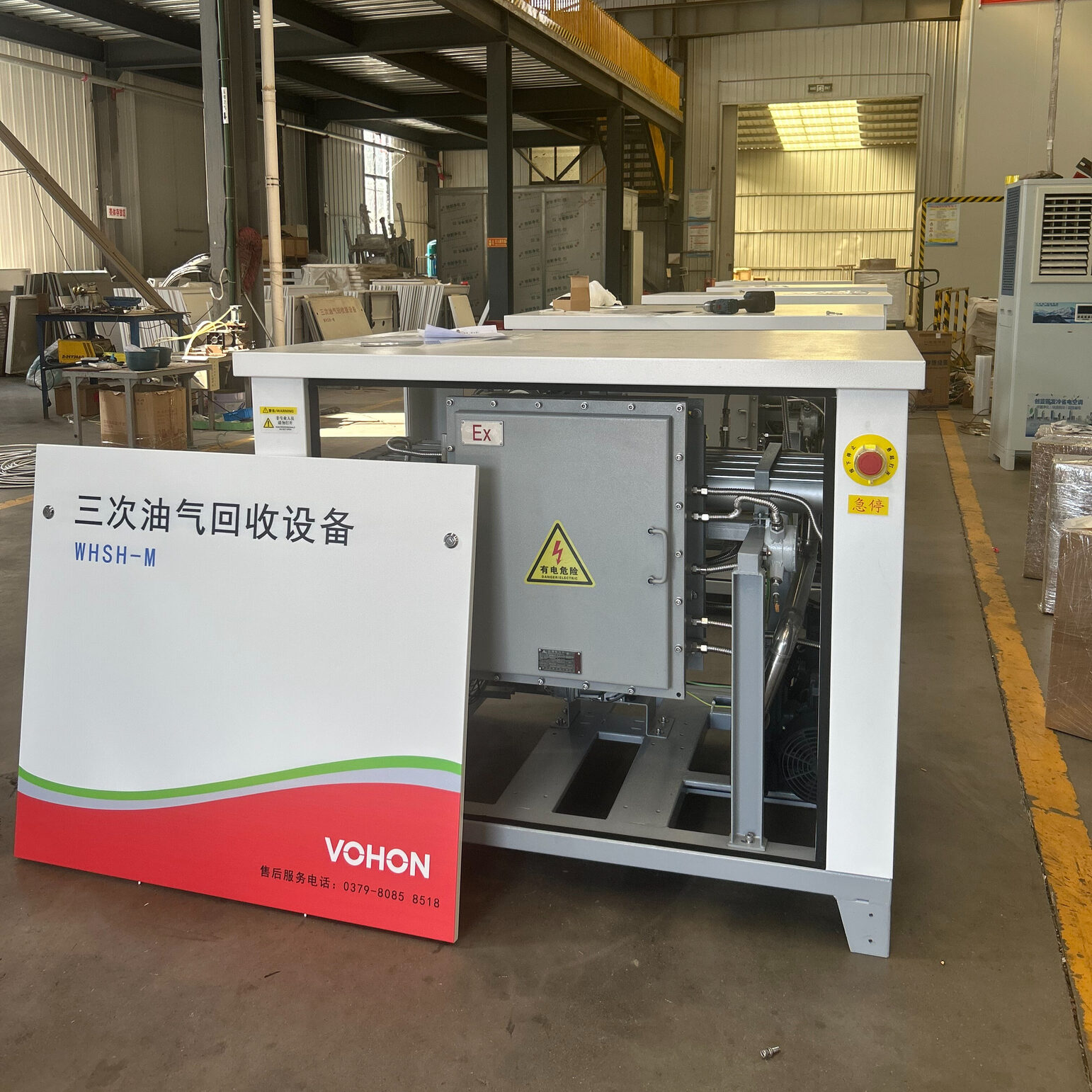
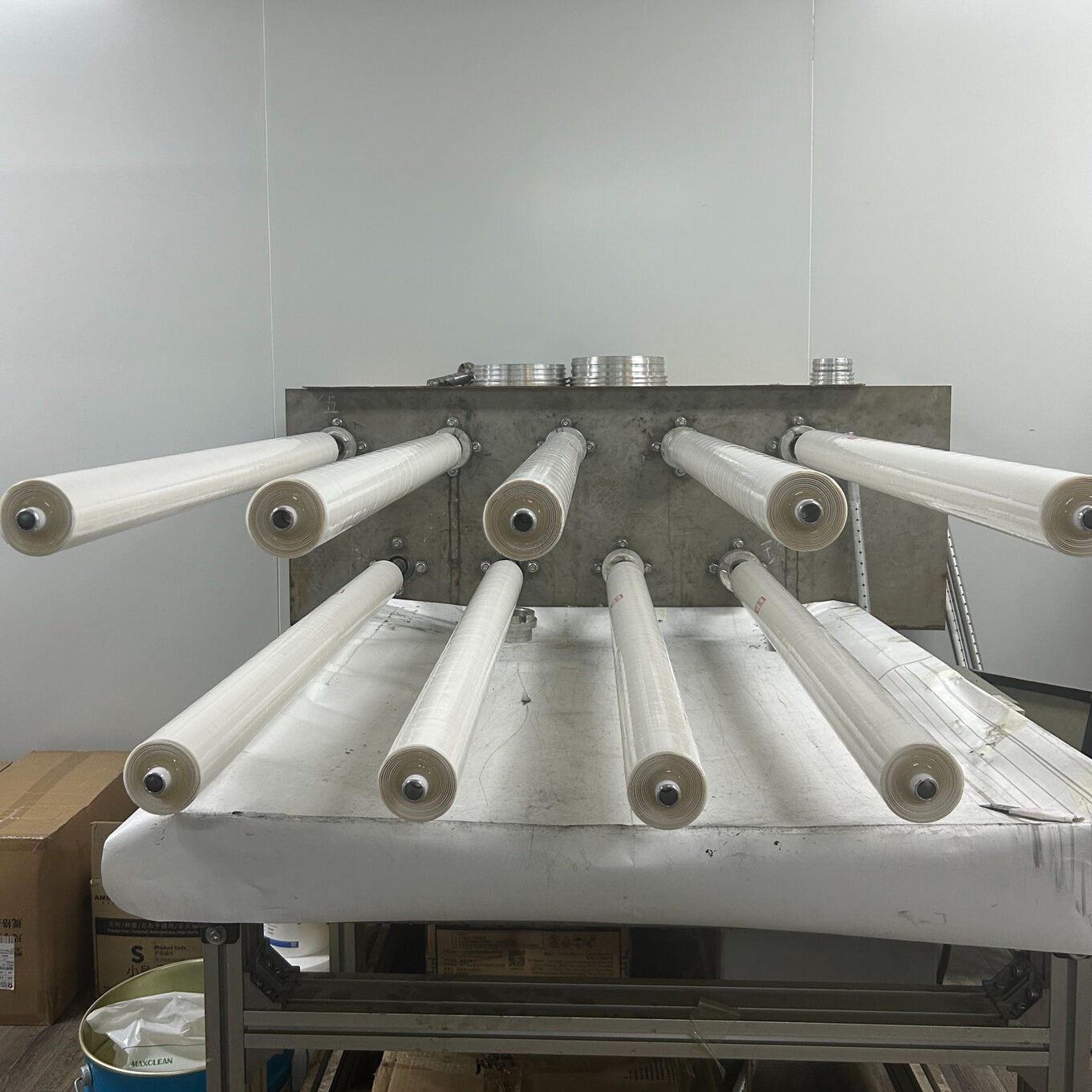
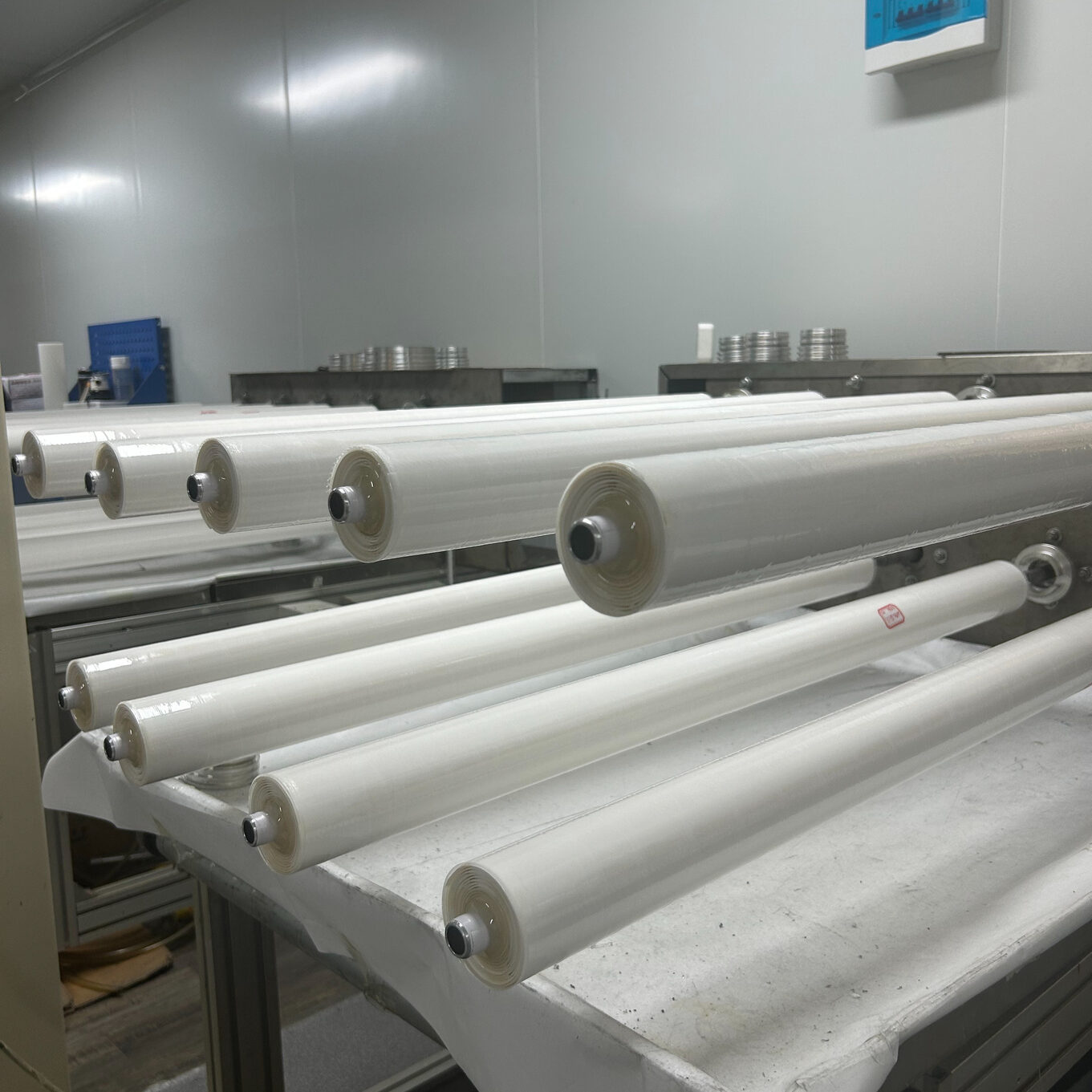
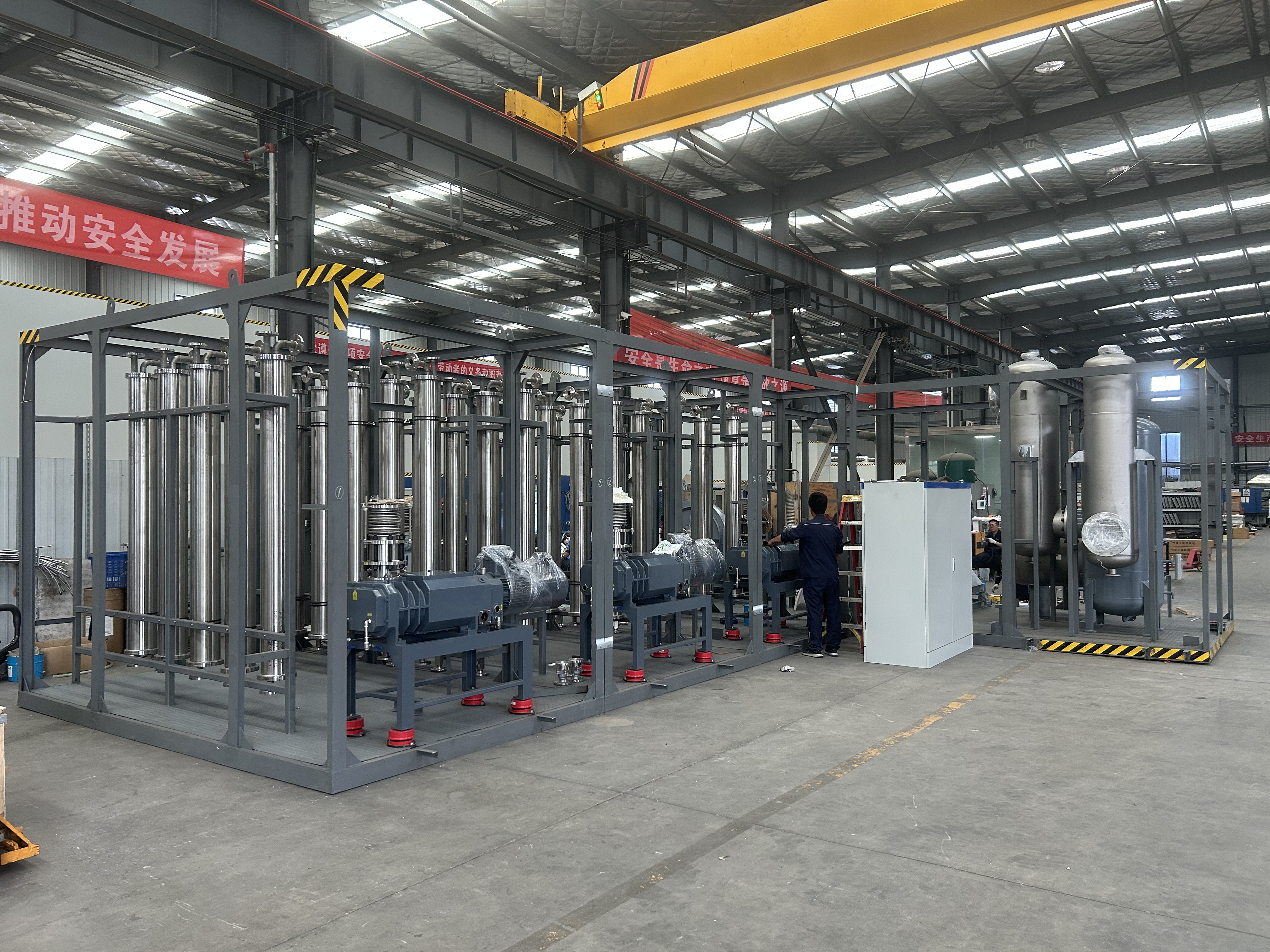
This article by LuoyangWohong PetrochemicalEquipment Co., Ltd. arranges that the company provides design, manufacturing and operation and maintenance services for condensation recovery, membrane separation recovery and complete solvent recovery devices for chemical and pharmaceutical enterprises. If you need process evaluation or scheme configuration, please contact and exchange.
Mr. Li 13526990215

Hotline