The environmental inspection of gas stations is not about sitting in the office to read materials, but about bringing instruments to the site to measure each item one by one. The inspectors who have actually visited the station usually follow this order:
Check if the oil discharge port is sealed and if there is any oil or gas escaping during oil discharge. Is the size of the tank truck unloading joint and the gas station unloading interface correct? Can the sealed connection be tightened. The most common problem in this process is the aging and deformation of the sealing ring, and standing next to it during oil unloading can smell a noticeable gasoline smell. The inspector will use a portable VOC detector near the oil discharge port to measure the values.
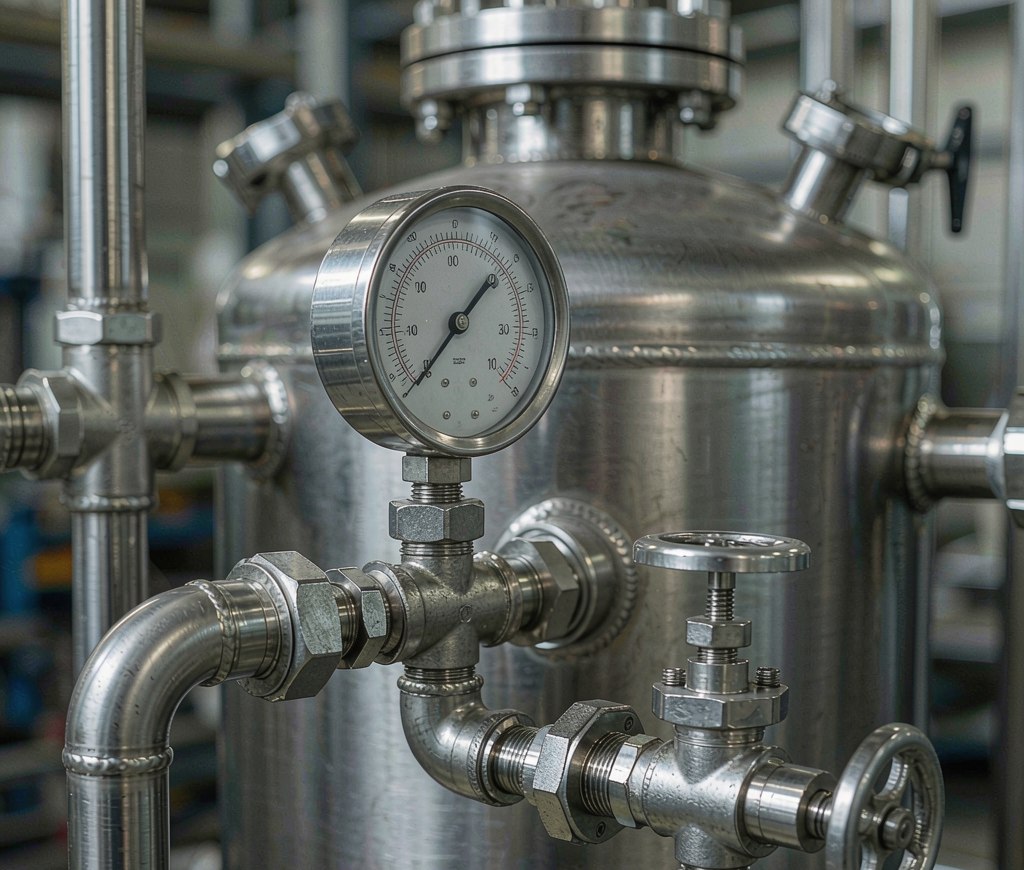
Check if the fuel gun has a dual nozzle with oil and gas recovery, and if there is a vacuum assisted pump on the hose. The inspector will bring the detector close to the fuel nozzle and hose interface to check if the values exceed the standard. The rubber hose is cracked, the sealing ring is loose, and the recovery pump is not running, so the values will go up. If the muzzle frequently jumps during refueling, it may also be a problem with the secondary recovery system.
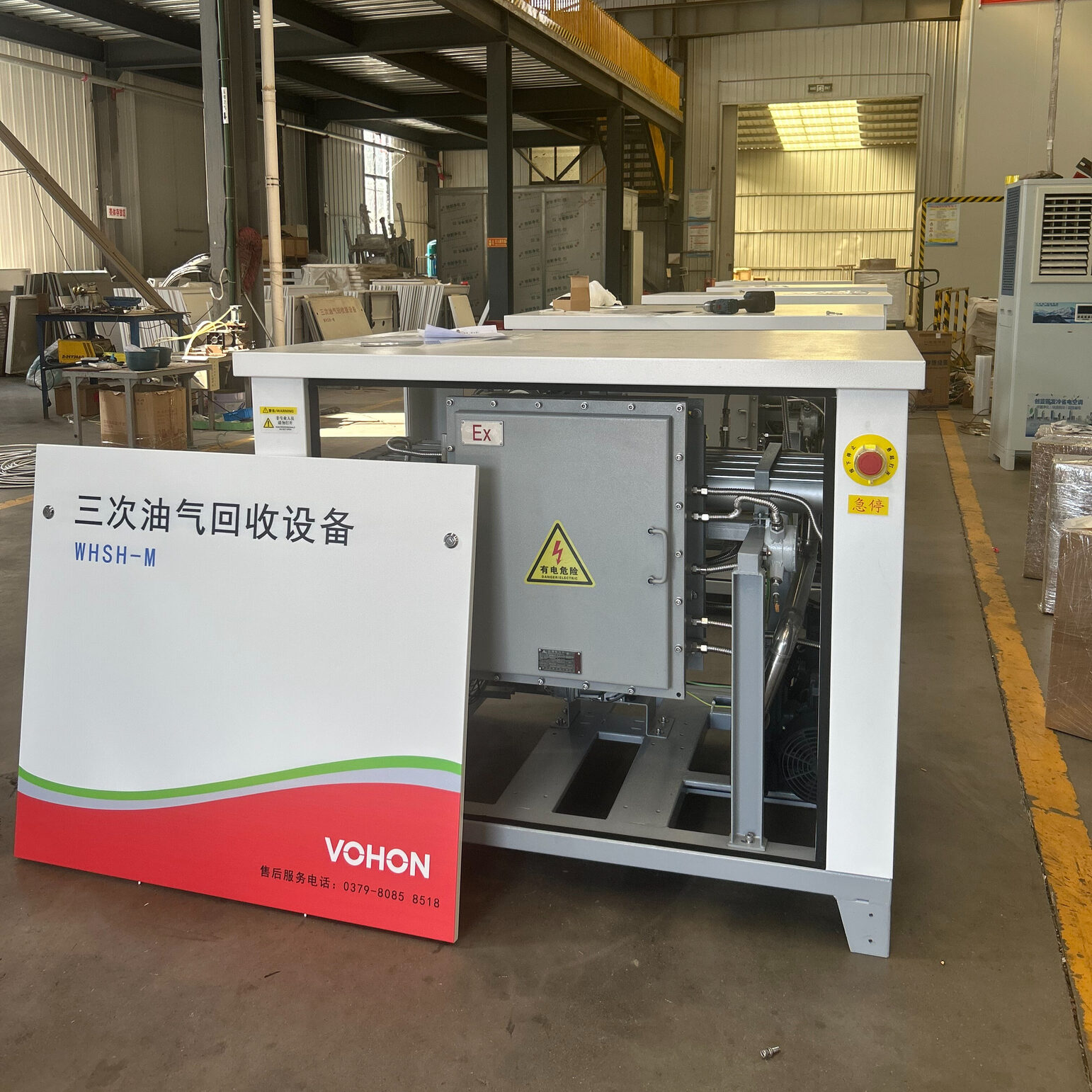
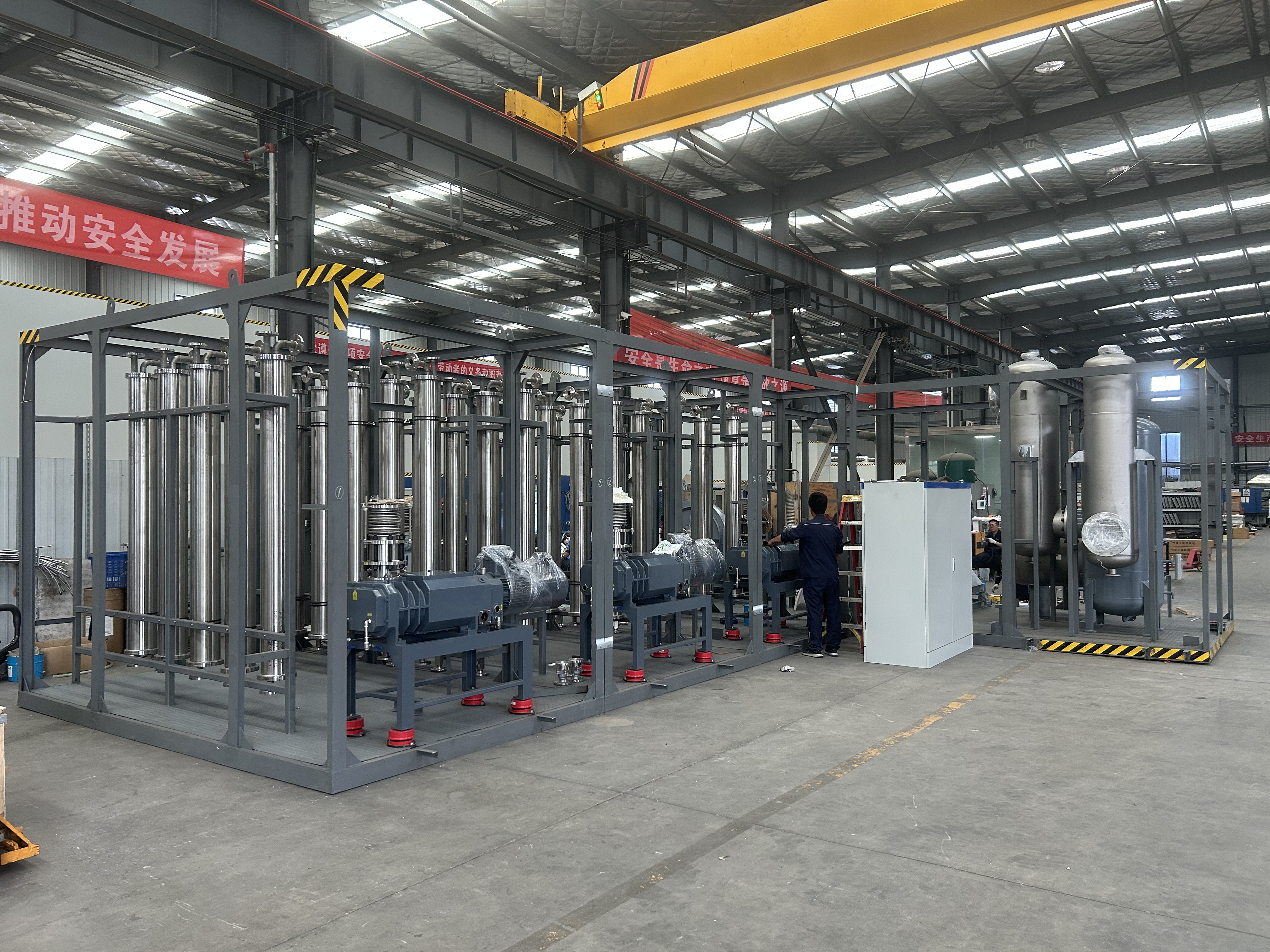
This is currently the most rigorous investigation. The inspector checks if there is an oil and gas recovery and treatment device installed at the breathing valve of the storage tank, if there is any equipment operation record, and if the start stop pressure setting value on the PLC control cabinet is correct. They will review the operation logs of the past few months to see if the device is really running, rather than just pretending. The explosion-proof certificate nameplate and product nameplate on the equipment will also be photographed and recorded. The outlet of the breathing valve will directly use an instrument to measure the concentration of non methane total hydrocarbons.
Check for any signs of leakage in the manhole, liquid level gauge port, and oil measuring port. Squat down to check for oil droplets in the well and smell for any obvious oil odor. If the sealing flange of the installation port of the liquid level gauge is not tightened, oil and gas will slowly leak out. This step does not require instruments, problems can be detected by looking and smelling.
Some cities have already required the installation of online monitoring systems for oil and gas emissions to monitor the concentration of non methane total hydrocarbons at the outlet of the processing equipment in real time. The inspector will retrieve online data to check for records of long-term exceedance or frequent equipment malfunctions. If the data is disconnected for a certain period of time, the system will automatically sound an alarm.
The waste oil and sludge generated during tank cleaning belong to hazardous waste. Check if there is a hazardous waste disposal contract and if the transfer manifest matches. Pouring it into the sewer or burying it underground at will will will be severely punished.
Final translation: Environmental Impact Assessment Report Form, Completion Environmental Protection Acceptance, Pollutant Discharge Permit. One of these three deficiencies is incomplete procedures.
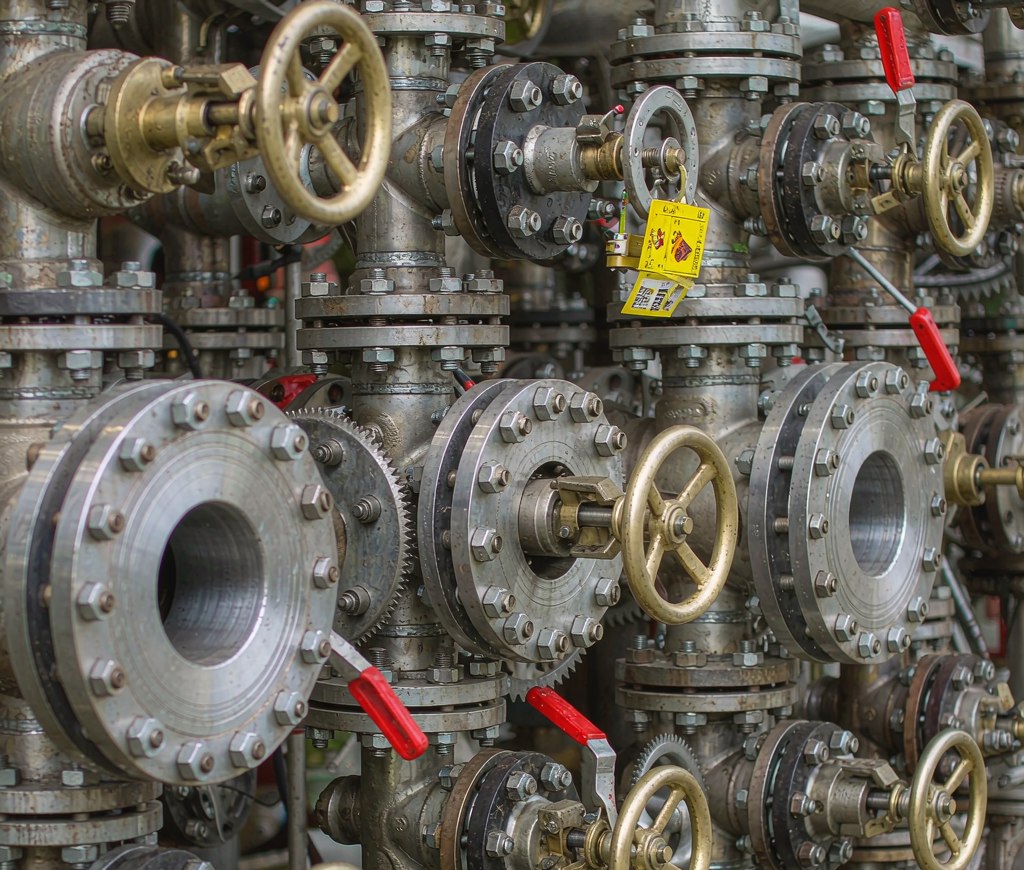
In actual inspection, whether the three recovery devices can operate normally and whether the concentration at the outlet of the breathing valve meets the standard are the key factors that determine whether you cannot pass. The equipment was installed but not turned on, turned on but the parameters were not adjusted properly, and the electrical system in the explosion-proof area was not explosion-proof. These are all issues that can be directly rectified on site.
Mr. Li 13526990215

Hotline