How to recycle dimethyl carbonate waste gas? The main line consists of three steps: first, the discharge points of the synthesis, distillation, and cleaning processes are collected in a closed manner, and then the steam is condensed and recovered according to the discharge temperature. The condensate is first dehydrated and sent to the refining unit for purification and reuse, utilizing its characteristics of being slightly soluble in water and being able to stand and separate layers. Its boiling point is about 90 ℃, and it has significant volatility at room temperature. Tank respiration and room temperature operations are both sources of emissions, and collection should be organized at multiple points. This is the main idea of this process line.
The first is that the boiling point is moderately low and the evaporation at room temperature is obvious. The boiling point of about 90 ℃ makes it possible to smell a distinct odor when exposed at room temperature. The storage tank's breathing, feeding, and cleaning operations continue to emit pollutants, and the collection system is organized according to multiple points and a wide area. The airflow profile is completely different from that of high boiling point solvents.
The second is that the condensate can be layered. Dimethyl carbonate has limited solubility in water, and the water vapor carried by the condensate can be separated into a clear aqueous phase after standing. The condensate treatment is designed according to the principle of "layering first, refining later", which saves a load compared to completely miscible ether alcohols.
The third is that methanol is often present in the system. Dimethyl carbonate is mostly produced by ester exchange process, and it forms an azeotrope with the raw material methanol. In the case of methanol in the vicinity of the equipment or incoming materials, the refining of the condensate should be treated according to the azeotropic system, which needs to be checked clearly in the scheme stage.
The non condensable gases at the top of the distillation tower and condenser are separately introduced into branch pipes, which are first stabilized and then merged into the main pipe; The breathing port of the reaction kettle and the vacuum pump discharge are connected after buffering; The breathing pipes of the storage tanks are uniformly led to the collection main pipe in the tank area; Local fencing and directional ventilation should be added to open operation points such as cleaning and feeding. Verify the simultaneous use factor before merging multiple branches to avoid diluting concentration with high air volume and increasing backend load; Maintain the slope of the pipeline and set a low point for drainage, and do a good job of insulation and anti condensation in the low-temperature section.
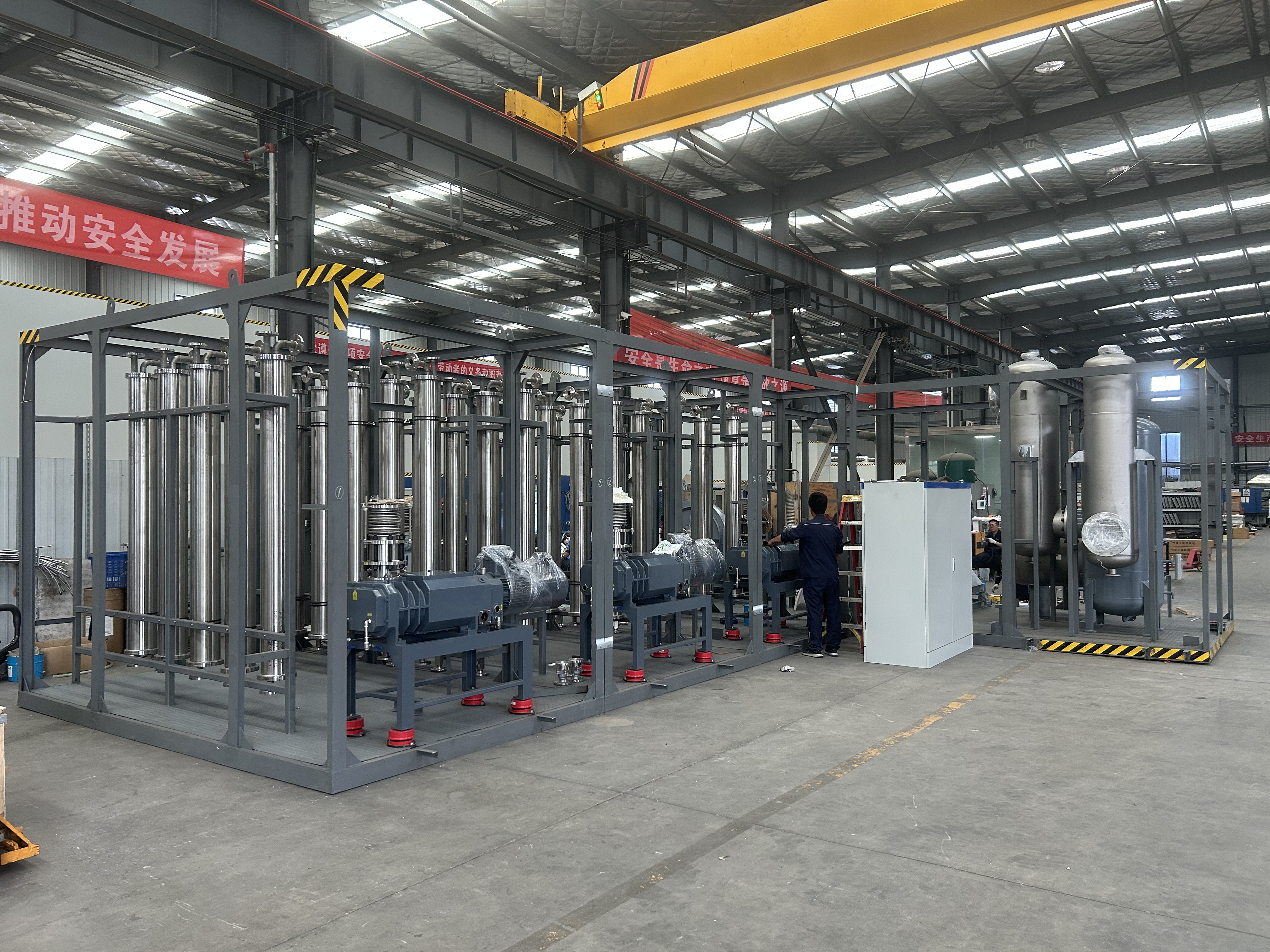
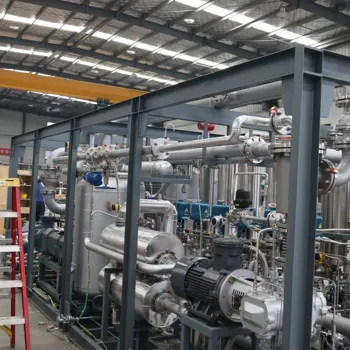
The mainstream configuration is two-stage condensation: the first stage uses circulating water to pre cool the exhaust gas from high temperature and precipitate the carried water vapor, and the second stage uses chilled water to condense most of the carbonate vapor. Cooling capacity is recovered between the two stages to reduce energy consumption. The boiling point of dimethyl carbonate is about 90 ℃, and the condensation temperature required to achieve a higher recovery rate is milder than that of low boiling esters. However, the characteristic of obvious volatilization at room temperature requires that the room temperature branch also be connected to the condensation section, and not only the high temperature point. The differences in recovery between it and other solvents are shown in the table below:
| comparison dimension | Dimethyl carbonate | High boiling point solvent |
|---|---|---|
| boiling point | About 90 ℃ | About 150 ℃ or above |
| Room temperature volatilization | Clearly, there are also emissions during the storage and transportation process | Limited, focused on thermal processes |
| Condensation temperature level | Deep condensation of the chilled water section is required | Mild, low energy consumption of refrigerant |
| Condensate treatment | Let it settle and separate before refining | Mutually soluble varieties are directly sent for refinement |
The condensate is first placed in a stratification tank for static treatment, and the separated aqueous phase is incorporated into the wastewater treatment pathway. The organic phase is sent to the refining unit for dehydration and purification according to its composition and moisture content; The batch with methanol in the system is configured with refining conditions based on azeotropic characteristics, and the dehydration depth is determined according to the quality requirements for reuse. After batch testing, the recycled liquid is reused for ingredient or cleaning processes, and the ledger records the amount and destination of recycling batch by batch; Control inventory and first in, first out for situations with long reuse cycles.
After layer wise dehydration and batch testing, if the quality of the condensate meets the requirements of the ingredients, it can be reused for cleaning or ingredient preparation; Batches with excessive moisture or impurities will continue to be refined or entrusted for disposal, subject to actual measurement data.
Methanol and dimethyl carbonate will form an azeotrope, and the methanol in the condensate is not easily removed by ordinary distillation. The refining section should be configured according to the azeotropic system; Whether the incoming materials and surrounding devices contain methanol needs to be checked during the scheme phase.
It's worth it. Dimethyl carbonate evaporates significantly at room temperature, and tank respiration is a continuous emission source with a significant cumulative amount; After connecting to the collection manager, unorganized emissions are synchronously eliminated, benefiting both material and environmental accounts.
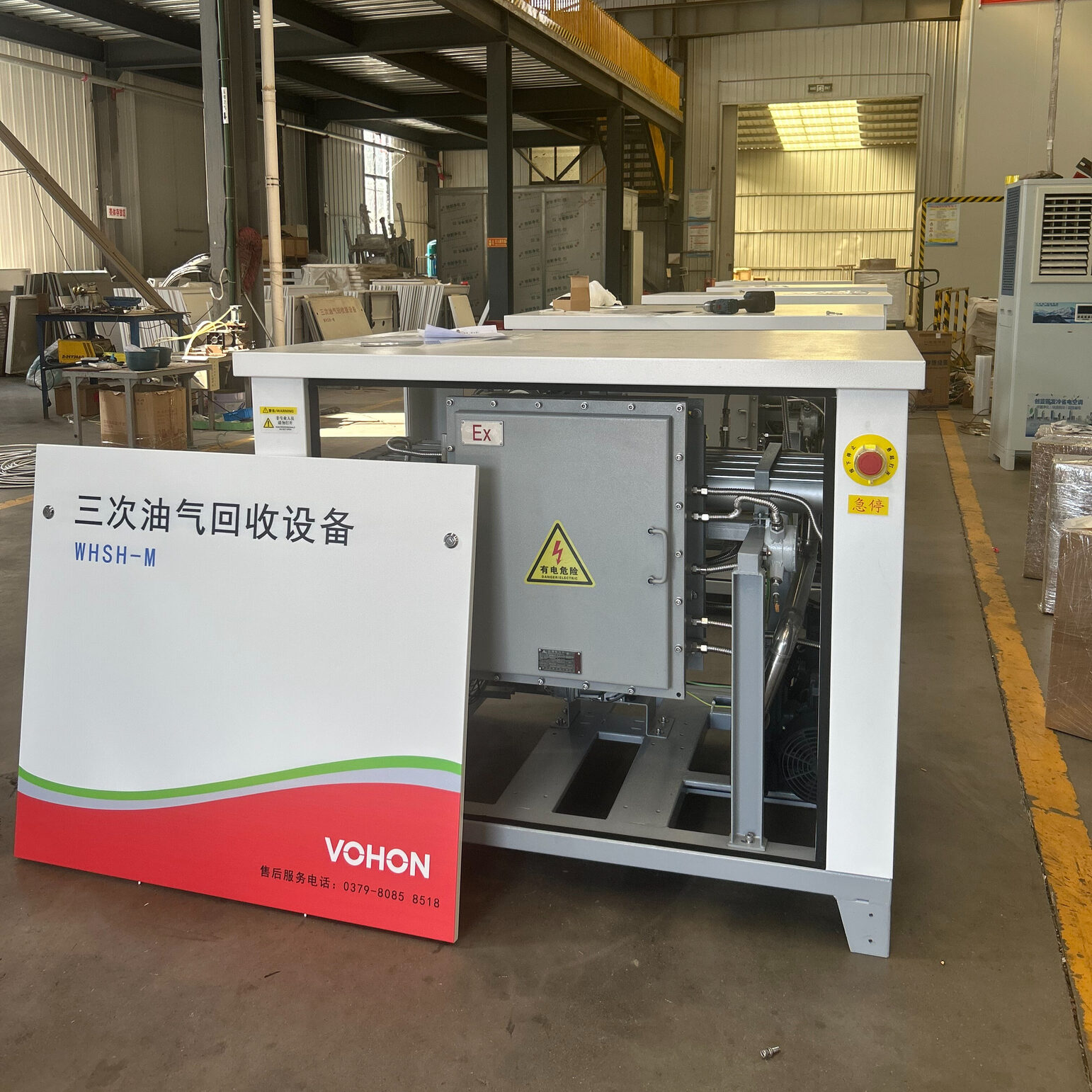
LuoyangWohong PetrochemicalEquipment Co., Ltd. provides design, manufacturing, installation, commissioning, and operation and maintenance services for medium recovery devices such as dimethyl carbonate for chemical and electronic cleaning enterprises. Welcome to contact and exchange ideas.
This article is organized by Luoyang Wohong Petrochemical Equipment Co., Ltd. If you need to evaluate the carbonate solvent recovery plan or conduct on-site investigation, please feel free to contact and communicate.
Mr. Li 13526990215

Hotline