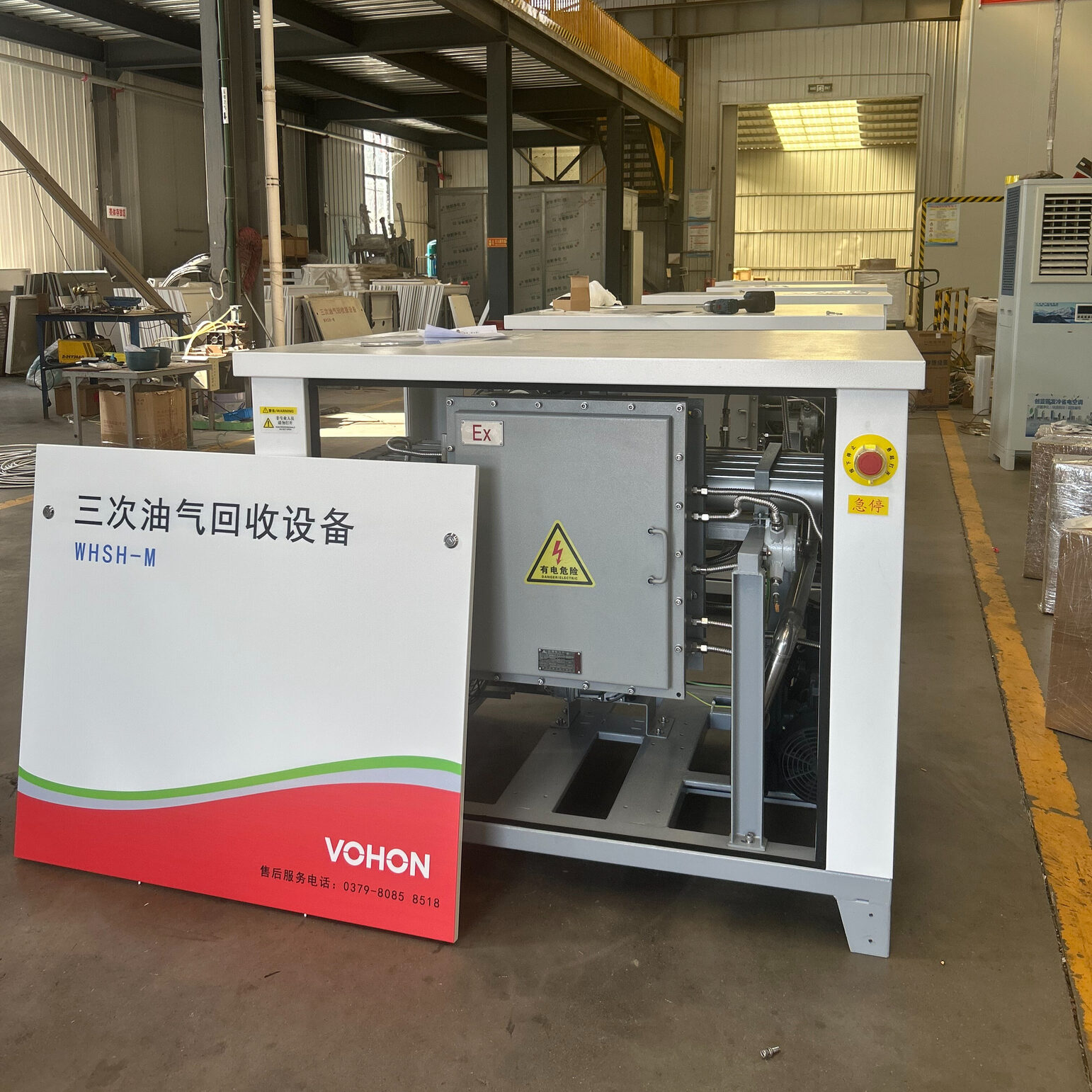
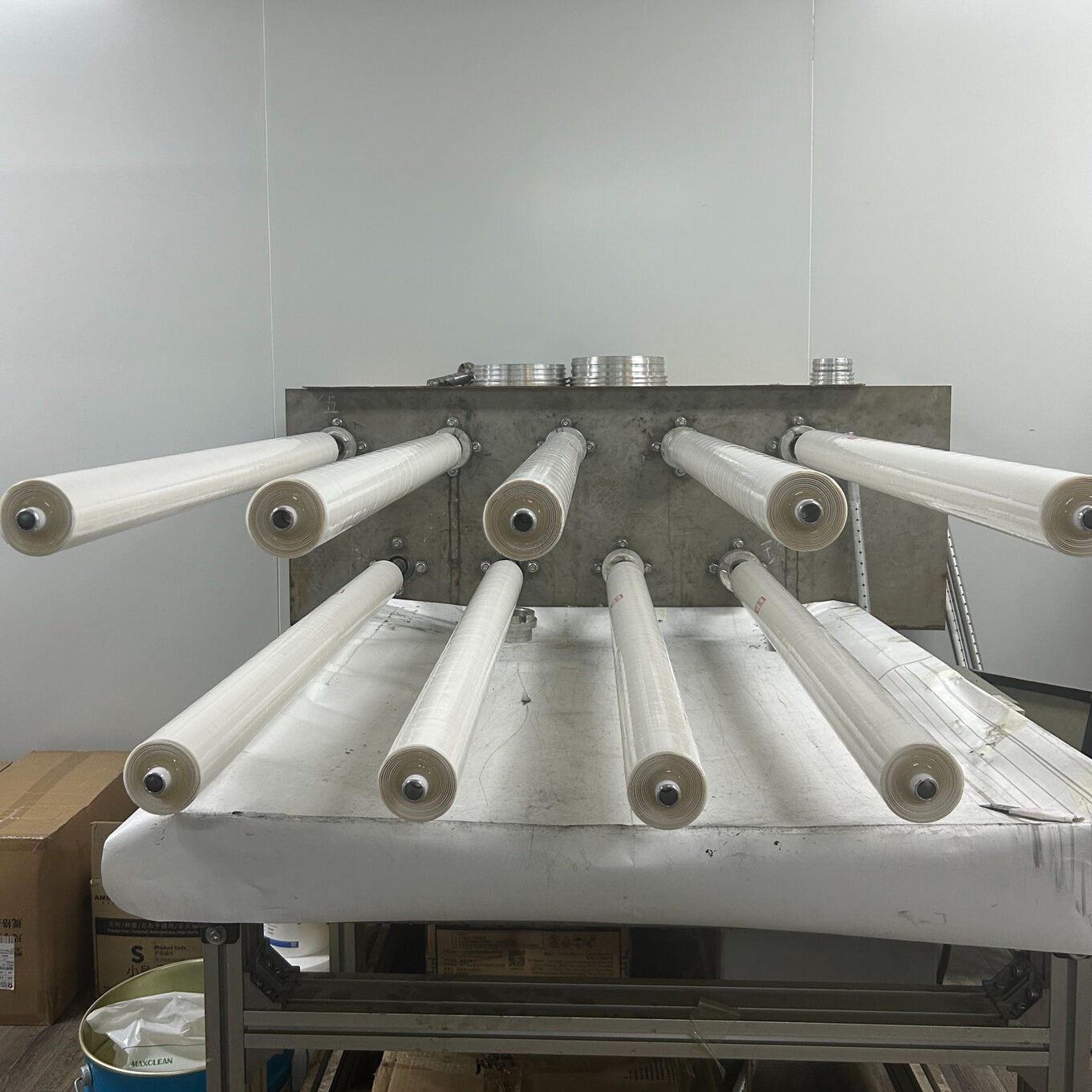
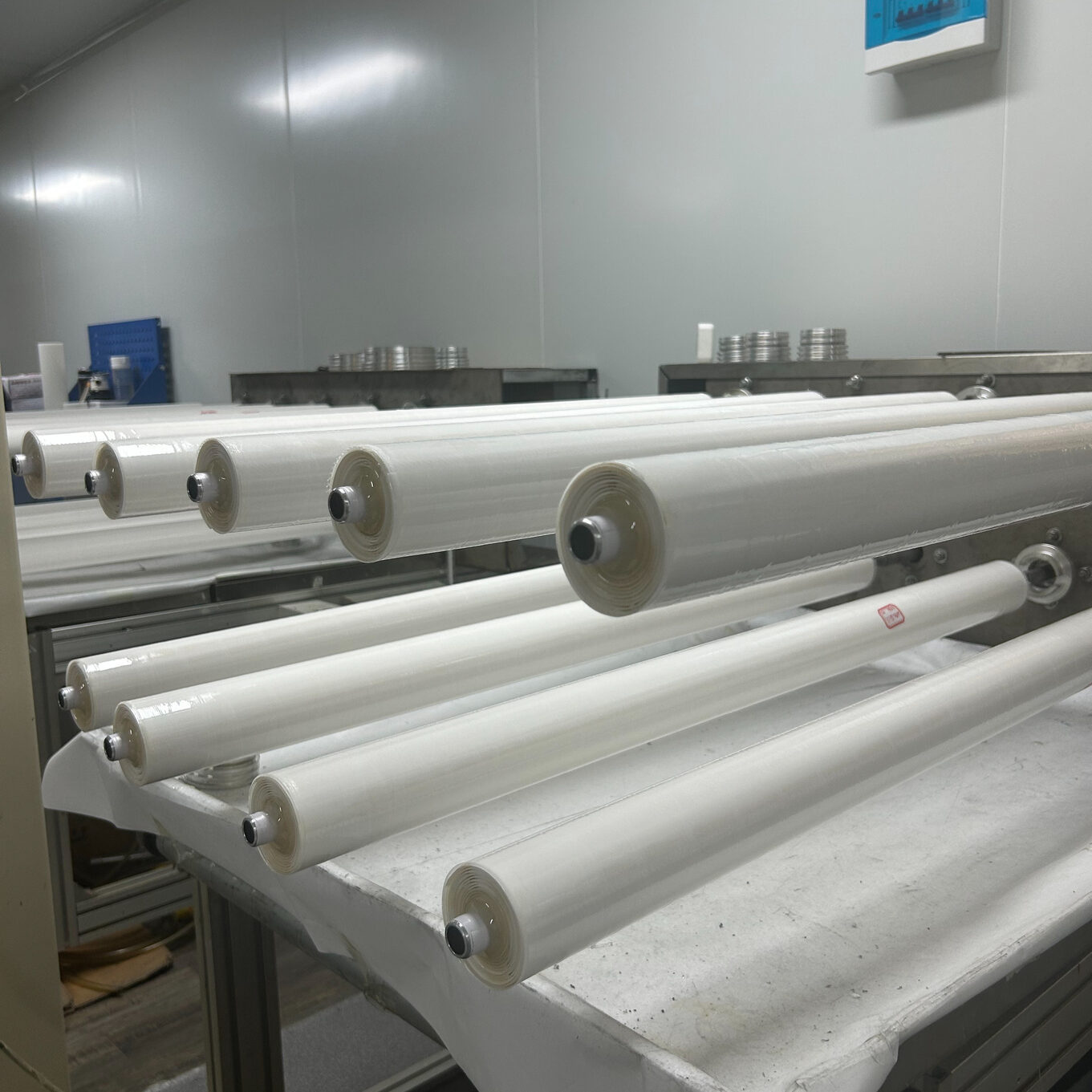
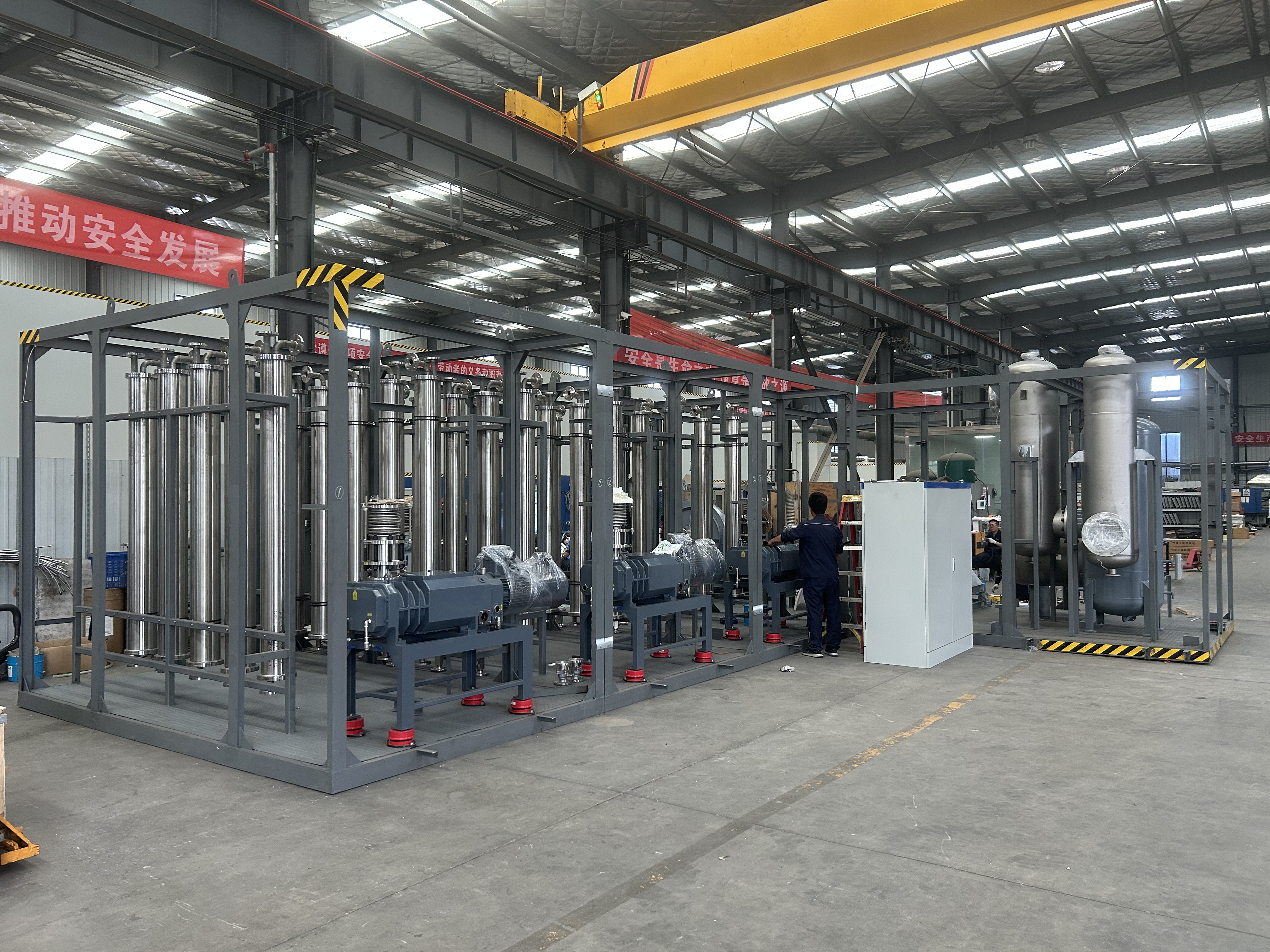
Which is more cost-effective, membrane separation solvent recovery or incineration? Direct answer: After accounting for everything, membrane separation is usually more cost-effective - it recovers the solvent for reuse, creating value and saving disposal costs, with operating costs often only 40-50% of incineration schemes; Burning relies on high-temperature destruction to meet standards, and equipment and natural gas continue to burn money, with additional costs for waste residue and monitoring. The core of the selection is whether the site has solvents with high recycling value: if there are, membrane separation is given priority; For solvents with low value, large concentration fluctuations, and only aiming to meet standards, incineration or combination is more practical. This article explains the accounts of two routes from the perspectives of cost structure and payback period.
The expenses of membrane separation include electricity bills, cooling water, membrane component replacement and daily maintenance, while the income is the reuse value of recycled solvents; The expenses for incineration include natural gas or electricity, waste disposal, online monitoring and operation, without any recycling income, only compliance benefits. Structurally, membrane separation is about "spending money for money", while incineration is about "spending money to buy standards". At the same scale, the electricity consumption and manual labor of membrane separation are significantly lower than those of incineration, and the value of recovered solvents fluctuates with market prices but has a bottom. The fuel cost of incineration is a rigid and continuous expenditure, with completely different accounting properties.
Membrane separation has an advantage in operating costs: electricity costs are calculated based on industrial electricity prices, and the power consumption of membrane devices is mainly dominated by compressors and vacuum pumps, with a low proportion of intermittent operation; Circulating use of cooling water with limited annual fee; Membrane components are amortized based on their lifespan, and the annual replacement cost is controllable. The cost of incinerated natural gas increases linearly with the length of operation, and with the addition of waste residue and monitoring, the total annual expenditure is often significantly higher than that of the membrane method. When comparing, spread out the annual operating costs of both companies. Don't just look at the initial investment of the equipment. The difference in annual operating costs between two similar initial investment plans can be smoothed out or even exceeded within two to three years.
Net cash flow based on payback period: The annual net amount of membrane separation is the value of recovered solvent minus operating costs, and the payback period is obtained by removing it from the initial investment; Burning does not generate solvent revenue, and the net cash flow is negative operating expenses, which can only be considered as compliance costs and cannot be recovered. Most sites with recycling value have a membrane separation recovery period ranging from one to two years, while incineration is a continuous cost item. When calculating the payback period, the recovered solvent should be calculated based on the actual settlement price. Do not overestimate it based on the ideal price. The price of condensate recycling is usually lower than that of new materials, and it is only stable based on the actual caliber.
Not all operating conditions are suitable for membrane separation: for those with low solvent value, large concentration fluctuations that make it difficult to stabilize the membrane load, or complex components that are uneconomical to separate, the recovery period of the hard membrane method may be extended, and incineration or adsorption destruction is more realistic. There are also combination routes: membrane separation to recover the recyclable main body, incineration of the difficult to recover residual gas at the end for bottom protection, balancing economy and compliance. When selecting, prioritize the value of the solvent, give priority to the membrane method with high value, and calculate the compliance cost with low value. Do not apply a one size fits all approach.
| dimension | Membrane separation and recycling | Burning and destruction |
|---|---|---|
| Expenditure | Maintenance of cooling film components for electricity bills | Monitoring of gas waste residue |
| income | Recycling solvent value | None |
| operating cost | Burning 40% to 50% | Rigid persistence |
| payback period | Between one and two years | Pure compliance cost |
| Applicable | Operating conditions with recycling value | Low value, high volatility |
First of all, let's settle the accounts: if the value is so low that the net amount of recycling cannot cover the operating costs, the film coating method is not cost-effective. This type of incineration or adsorption destruction is more realistic; For those with moderate value but significant fluctuations, a combination of membrane and end caps can be considered, rather than relying solely on pure membrane.
Safety and economy are two things: thorough incineration treatment but high temperature and secondary treatment of exhaust gas have their own risks, and membrane method has few operating points at room temperature and pressure; Choose whichever one according to the standard design, safety depends on design and operation, not on the route name.
Recycling solvents is based on actual settlement prices rather than ideal prices, and the blending price of condensate is usually lower than that of new materials; Spread out the operating costs for electricity, water, membrane components, and maintenance, without neglecting cooling and testing fees, as missing items can shorten the payback period.
This article by LuoyangWohong PetrochemicalEquipment Co., Ltd. arranges that the company provides design, manufacturing and operation and maintenance services for condensation recovery, membrane separation recovery and complete solvent recovery devices for chemical and pharmaceutical enterprises. If you need process evaluation or scheme configuration, please contact and exchange.
Mr. Li 13526990215

Hotline