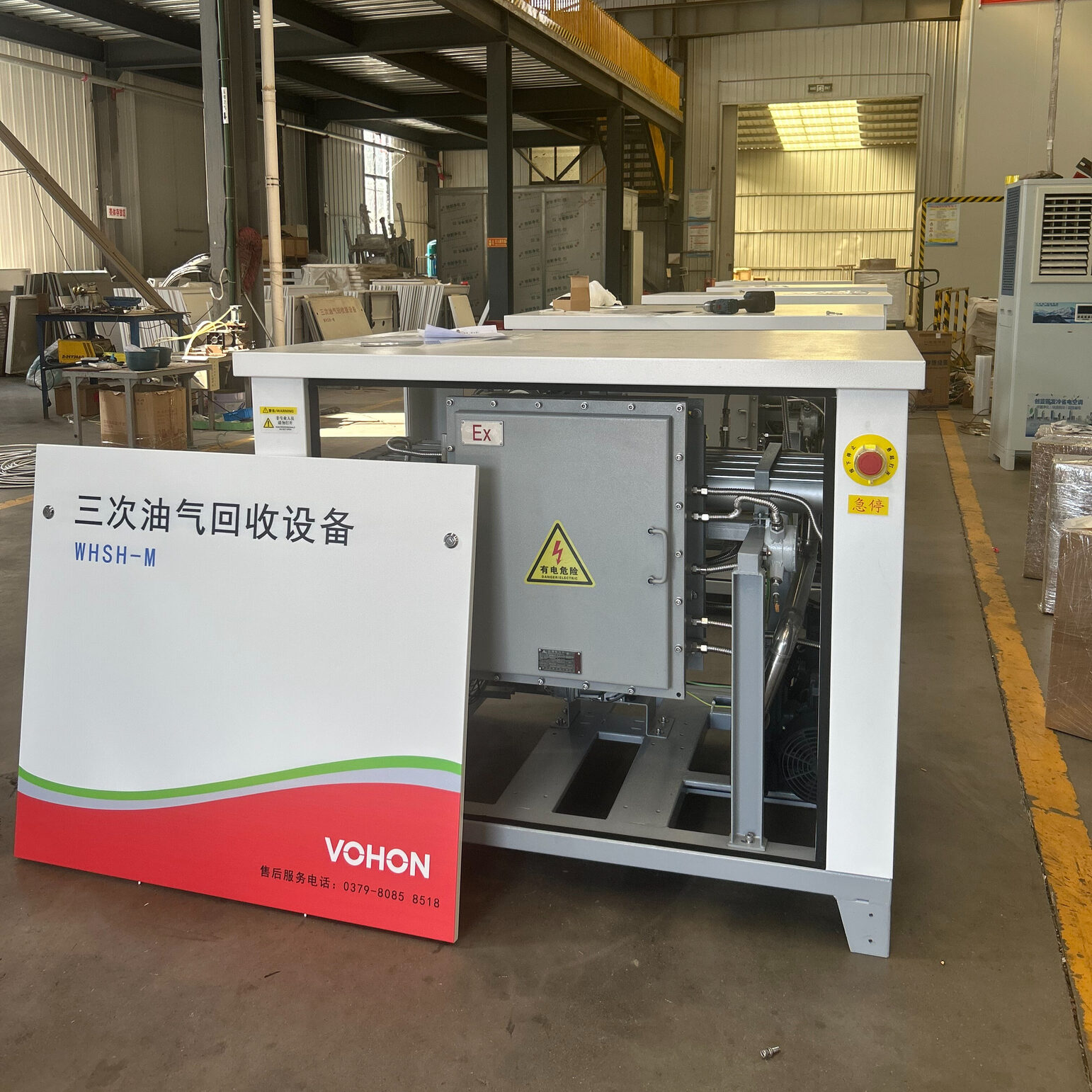
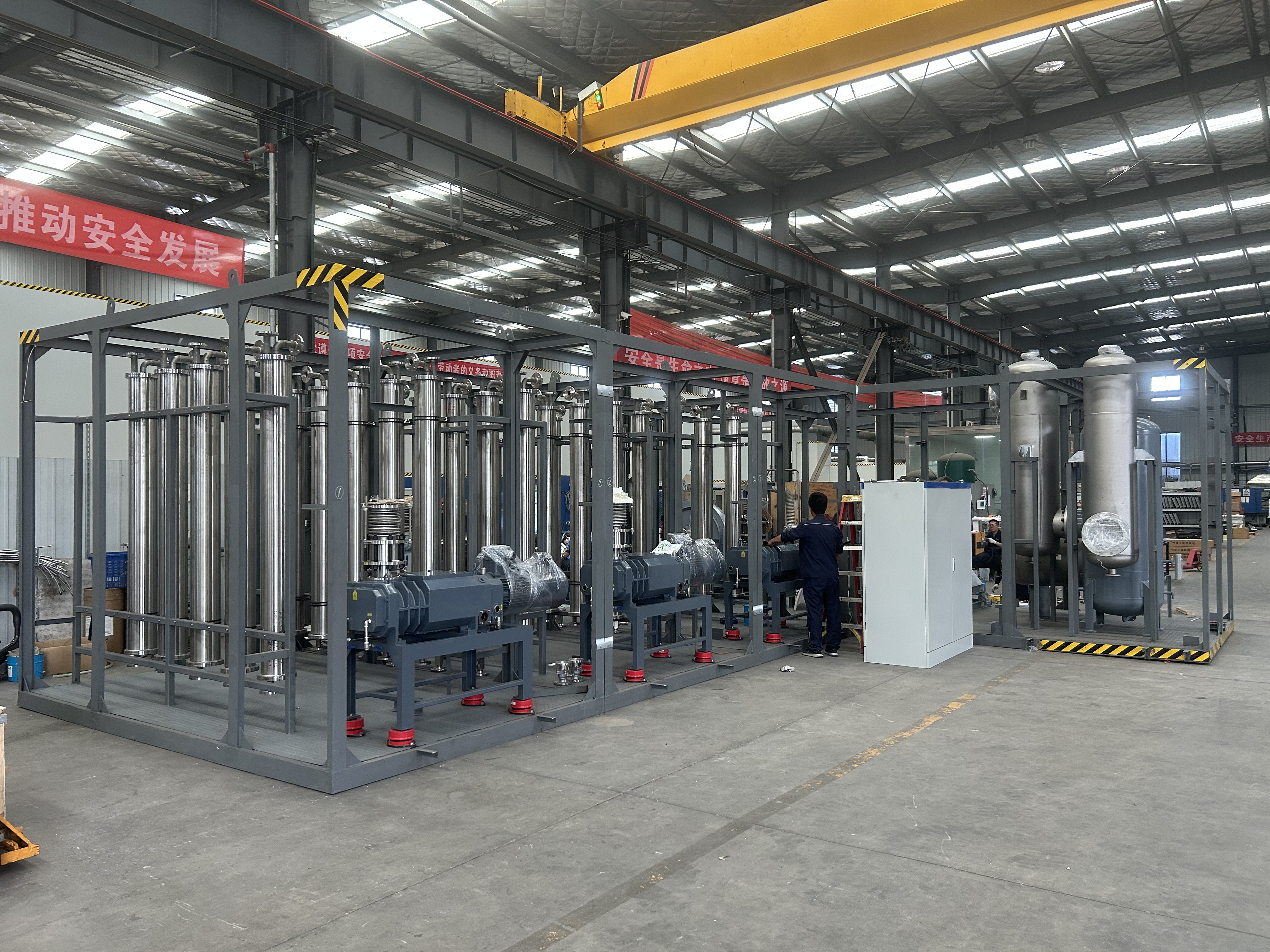
Why does solvent recovery require staged condensation? Direct answer: The boiling point range of each component in the mixed exhaust gas is very large, and a single temperature zone can only cover a part - when the temperature is high, low boiling point components cannot condense, and when the temperature is low, power consumption increases unnecessarily and frost formation accelerates. Graded condensation uses graded cooling capacity: the first stage uses circulating water to condense most of the water vapor and high boiling point solvents, while the second stage uses chilled water specifically to deal with low boiling point exhaust gases. The judgment criteria are very direct: check whether the exhaust gas temperature at the outlet of the condenser reaches the design value. If it does not reach the design value, it indicates insufficient condensing capacity, and either increase the area or lower the water temperature.
Freezing water throughout the entire process is the most convenient and expensive method. The first issue is power consumption - the load of the refrigeration system is directly linked to the outlet temperature. As the temperature decreases by one step, the power consumption increases by one step, and the additional decrease in temperature has limited contribution to the overall recovery rate. The second issue is the working condition - after approaching the freezing point of water, the frosting speed increases sharply, the frequency of defrosting increases, the cooling capacity is consumed by defrosting, and it also increases equipment wear and tear. Arranging the condensation stages according to the boiling points of the components is a common approach in engineering that balances recovery rate and cost.
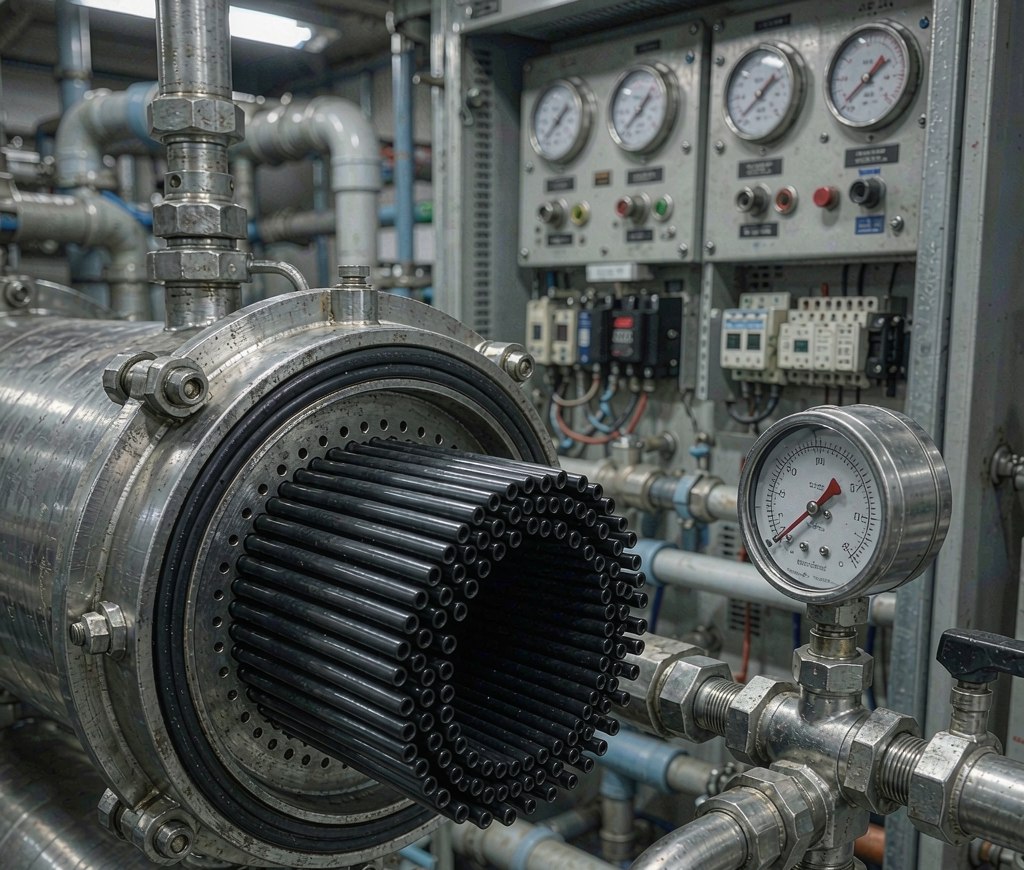
First, determine the lower limit of the recovery rate based on the emission limit, then deduce the required condensation temperature, and arrange the condensation stages according to the boiling points of the components. Waste gases with a large boiling point span are prioritized for classification: high boiling point components precipitate in the shallow cooling stage, while low boiling point components precipitate in the deep cooling stage. The use of circulating water in the first stage also has an additional benefit - most of the water vapor condenses and separates in the first stage, reducing the load and frosting pressure in the later stage. Where to select the segmentation point, check the distribution of the liquid components and the recovery target, the design party should calculate it at once, and the operation party should not make arbitrary changes.
The lower the condensation temperature, the better. Set a reasonable lower limit based on the boiling point of the solvent. A solvent with a high boiling point can condense by circulating water at room temperature until it reaches 30-40 degrees Celsius, without the need for chilled water; Only those with low boiling points or mixed with low boiling components need to be brought to a temperature below ten degrees or even lower. Excessive low temperature not only increases energy consumption but also accelerates frosting - for condensers operating near freezing point, a sudden increase in frosting rate is a common rule. Set according to the process requirements during operation, don't take temperature as a safety measure, the colder, the more reassuring.
| monitoring item | Normal performance | Abnormal signal | First check |
|---|---|---|---|
| exhaust gas temperature | Stable at the design value | Continuously high | Heat exchange area and water temperature |
| Initial outlet temperature | Fluctuations within the interval | Sudden fluctuations | circulating water system |
| Temperature of chilled water | Reaching the set point | fail to meet | Refrigeration unit status |
| Frosting speed | By cycle | Suddenly accelerating | Pre drying and defogging |
| Recovery rate | Steady trend | Continuously declining | Component temperature linkage |
The economy of graded condensation is entirely determined by the operating parameters. The cooling medium switches seasonally - when the water temperature is high in summer, the chilled water is on top, and when the water temperature is low in winter, the freezer can be shut down. Simply relying on circulating water is enough, and the electricity bill is almost the same every year. The matching between the water pump and the valve also depends on: when the water flow is not enough, the temperature difference between the inlet and outlet of the heat exchanger is very large, and although it looks like heat exchange, the condensation capacity cannot be increased.
Need. The first stage condensate should be separated smoothly to avoid liquid being carried into the later stage by the airflow; The design of gas-liquid separators is determined by the characteristics of the materials, and if the residence time is insufficient, liquid will be carried over.
Observe the working conditions and season. When the components fluctuate greatly or the water temperature is high in summer, they should be kept open as needed. Stable operating conditions and low temperature seasons can be rotated, based on the recovery rate data.
Check the changes in components and the situation of condensate carryover - components with lower boiling points have appeared in the feed liquid, and the original temperature zone cannot be covered. The number of stages needs to be recalculated.
This article by LuoyangWohong PetrochemicalEquipment Co., Ltd. arranges that the company provides design, manufacturing and operation and maintenance services for condensation recovery, membrane separation recovery and complete solvent recovery devices for chemical and pharmaceutical enterprises. If you need process evaluation or scheme configuration, please contact and exchange.
Mr. Li 13526990215

Hotline