Where does the electricity cost for the solvent recovery device go? Direct answer: The typical structure of solvent recovery energy consumption is that the refrigeration unit accounts for the majority, followed by the vacuum pump, and the control system accounts for the smallest proportion. The load of the refrigeration unit is determined by the condensing temperature and the amount of processed gas - under cryogenic conditions, it accounts for about two-thirds of the total energy consumption; The power consumption of vacuum pumps is related to pressure difference and flow rate; Control and auxiliary equipment are zero. The path to reducing consumption is also clear: focus on setting the refrigeration temperature, system resistance, and operating mode, each of which has a clear account to calculate.
The energy consumption of refrigeration units is extremely sensitive to condensation temperature - for every step decrease in outlet temperature, the compressor load increases significantly. In practice, a large amount of energy is wasted on excessive deep cooling: in order to seek peace of mind, the temperature is set several degrees lower than the process requirements, the recovery rate is limited, and the electricity bill is actually overpaid. The reasonable approach is to set the lower temperature limit according to the boiling point of the components and use each degree of cooling on the blade. In addition, frosting and oil stains on the heat exchange surface can deteriorate heat transfer, and the same amount of cold production requires more electricity to be burned - regular cleaning is energy-saving.
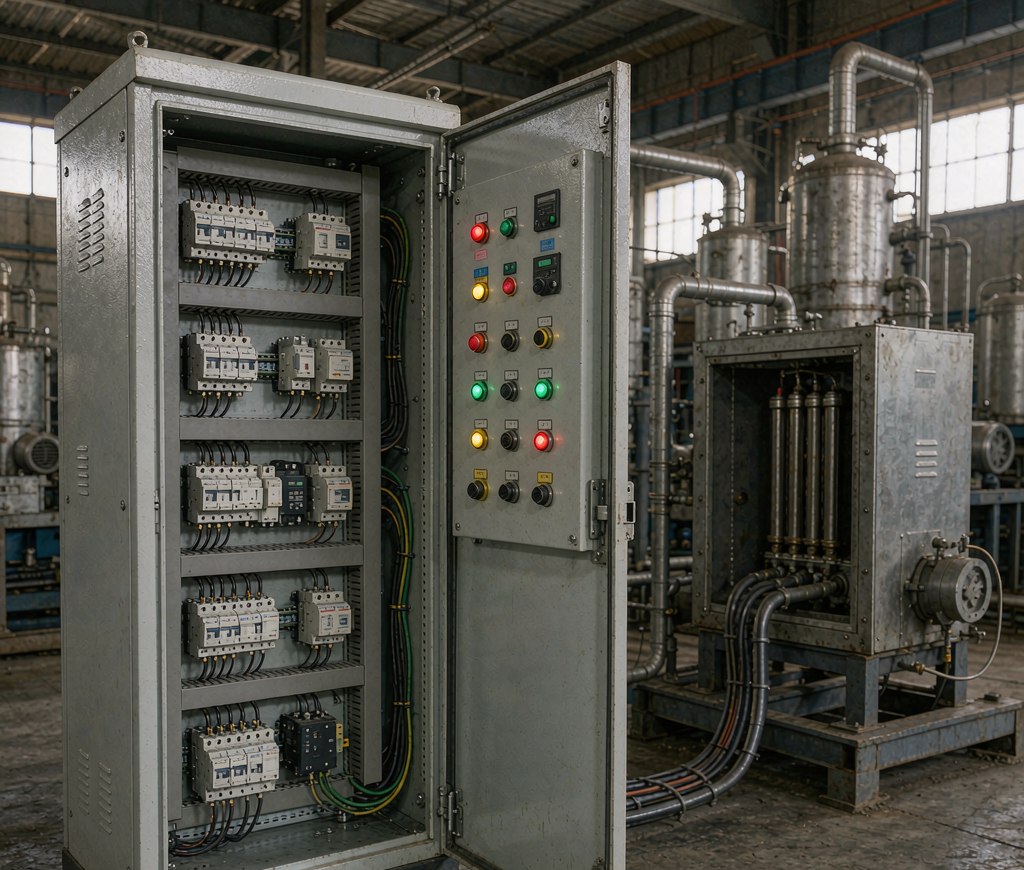
The power consumption of vacuum pumps increases with the rise of system resistance. Where does the resistance come from: filter blockage, pipeline accumulation, insufficient valve opening, and increased bed pressure difference - these factors are quietly pressurizing the pump. Replace the filter periodically, discharge the accumulated liquid in a timely manner, and include the valve status in the inspection. The operating current of the pump will provide positive feedback. The selection and operation mode of the pump unit itself also depend on the configuration of the trolley and the frequent start stop conditions, which are all black holes in electricity costs.
In addition to single point optimization, there are several systematic paths: replacing conventional refrigeration with heat pump technology can reduce energy consumption in the refrigeration process; Optimize operation mode - adjust the number of operating units and parameters according to load to avoid high consumption under no-load conditions; Condensation heat recovery - using the heat released from the condensation section for regeneration or other processes, killing two birds with one stone. These renovations require investment, but based on the proportion of energy consumption, most projects have a considerable payback period.
| Energy consuming unit | Proportion reference | influencing factors | Reducing consumption lever |
|---|---|---|---|
| Refrigeration unit | About two-thirds | Condensation temperature and gas volume | Temperature on-demand, maintenance of heat exchange surface |
| Vacuum pump | About a quarter | System resistance, flow rate | Filter and Fluid Management |
| Control system auxiliary equipment | odd amount | runtime duration | Adjust mode according to load |
| Overall system | Unit electricity consumption | Comprehensive factors | Sub item measurement and trend management |
Unit processing power consumption is the most valuable indicator in this management system - it links energy consumption, processing capacity, and operational quality into a single number. When the trend is rising, check each item according to the above list, and the reasons are mostly due to temperature, resistance, or mode. For stations without itemized measurement, starting with the installation of meters, we cannot control the invisible electricity bills.
Using graded condensation to solve the problem - high boiling points precipitate in shallow cooling stages, while low boiling points require deep cooling instead of the entire stage, which can balance recovery rate and power consumption.
Observe the working conditions. The system with stable waste heat demand and high operating load has the most significant benefits; Devices with low load or intermittent operation should be calculated separately and not blindly follow the trend.
Observe the trend of electricity consumption in unit processing. The power consumption has increased by 20% for the same processing capacity. First, check the frosting and oil stains on the heat exchange surface, and then check the pressure difference of the filter and the status of the pump unit.
This article by LuoyangWohong PetrochemicalEquipment Co., Ltd. arranges that the company provides design, manufacturing and operation and maintenance services for condensation recovery, membrane separation recovery and complete solvent recovery devices for chemical and pharmaceutical enterprises. If you need process evaluation or scheme configuration, please contact and exchange.
Mr. Li 13526990215

Hotline