How to store and transport the condensate of recycled solvents? The core consists of eight words: sealed, graded, measured, and first in, first out. The condensate needs to go through two stages of storage and transportation from the condensation unit to the reuse or disposal point. If these two stages of pipes are not good, the amount collected by the previous condensation will evaporate and deteriorate along the way, and the ledger will not match. The basic function of condensate storage and transportation is to store the condensate in separate tanks according to its composition and moisture content, transport it through closed pipelines, and measure it in and out batches.
Most of the solvent components in the condensate are volatile, and open or uncontrolled breathing storage tanks will evaporate the newly collected solvent again, forming secondary emissions; The open storage of water containing condensate will continue to absorb moisture, increasing the subsequent refining load. The condensate tank is equipped with breathing control according to pressure vessels or atmospheric pressure tanks, and flammable media are equipped with anti-static and fire-resistant requirements. The tank area is surrounded by cofferdams, level gauges, and high-level alarms. These are the safety bottom lines for condensate storage.
The tank capacity is determined based on the batch production and reuse cycle of the condensing unit, which should be able to withstand peak batch production without long-term deterioration; The condensate tank is equipped with a level gauge, thermometer, and breathing control. It is easy to separate the condensate into layers or has a separate layer tank. The bottom of the tank is equipped with a drainage outlet for regular drainage. The material and sealing components of the tank should be selected according to the corrosiveness of the medium, and tanks containing halogenated hydrocarbons should be avoided from being mixed with tanks made of non corrosion-resistant materials. The main configuration and purpose of the condensate tank are shown in the table below:
| configuration item | Function | key points |
|---|---|---|
| Liquid level and high liquid level alarm | Master the inventory and anti leakage tank | Leave sufficient margin for the alarm value to be transferred out |
| Respiratory control | Reduce storage volatilization | Respiratory gas access collection manifold |
| Water release and stratification | Remove the carried aqueous phase | Regularly release water, stable interface |
| Anti static and flame retardant | Safety precautions for flammable media | Grounding continuity is checked periodically |
The condensate of different solvents should be strictly separated into tanks to prevent mixing: if mixed, it will be downgraded for reuse, and if mixed, it will pose a risk of reaction. The same variety is classified according to quality, and qualified clean liquid and water containing liquid to be refined are stored separately; There are many impurities in the cleaning source of the condensate, so a separate tank should be set up to avoid mixing with the process condensate. After distinguishing the quality, each tank is labeled for management, indicating the medium, source, and quality grade, and the transport documents correspond one-to-one with the tank number.
Ledger and measurement are the closing points of condensate storage and transportation: the output, tank inflow, outflow, reuse, and outsourced disposal of condensate units are registered batch by batch, and the five numbers are balanced monthly. If the difference exceeds the reasonable loss range, leaks are checked step by step. By combining the ledger with the recovery rate and emission testing data, problems in the condensate process can be exposed one cycle in advance.
According to the peak batch production and reuse cycle, the conventional approach is to have a tank capacity that can catch two to three consecutive peak batches of condensing units; Excessive retention prolongs the shelf life of the condensate, which is detrimental to both quality and safety, while insufficient retention increases the risk of peak tank leakage.
Not recommended. Co canning will lower the overall quality of the tank to the water content level, and the qualified liquid will also need to be refined accordingly, resulting in energy consumption for the first stage of waste; Separate storage for on-demand access, with a slightly larger number of cans but lower overall cost.
Short distance emergency response is possible, but it is necessary to bring a sealed cover, anti-static measures, and register each bucket; Normal transportation or closed pipelines or closed tank trucks are not cost-effective in the long run due to volatile losses and safety risks caused by open transportation.
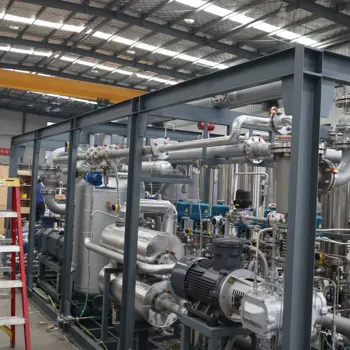
LuoyangWohong PetrochemicalEquipment Co., Ltd. provides design and configuration of condensate storage and transportation units, installation of conveying pipelines, and operation and maintenance management services. Welcome to contact and exchange ideas.
This article is organized by Luoyang Wohong Petrochemical Equipment Co., Ltd. If you need to evaluate the condensate storage and transportation plan, please feel free to contact and exchange ideas.
Mr. Li 13526990215

Hotline