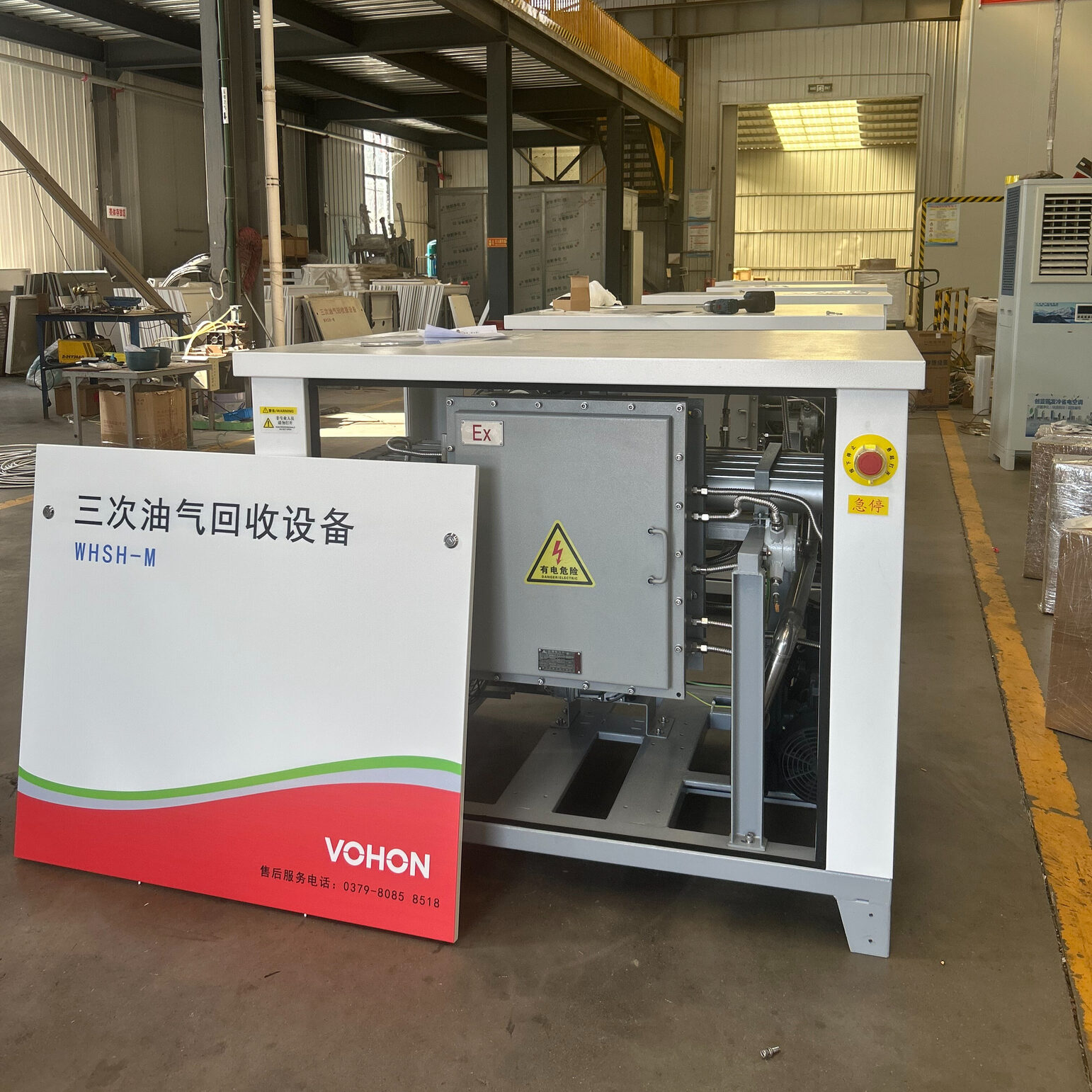
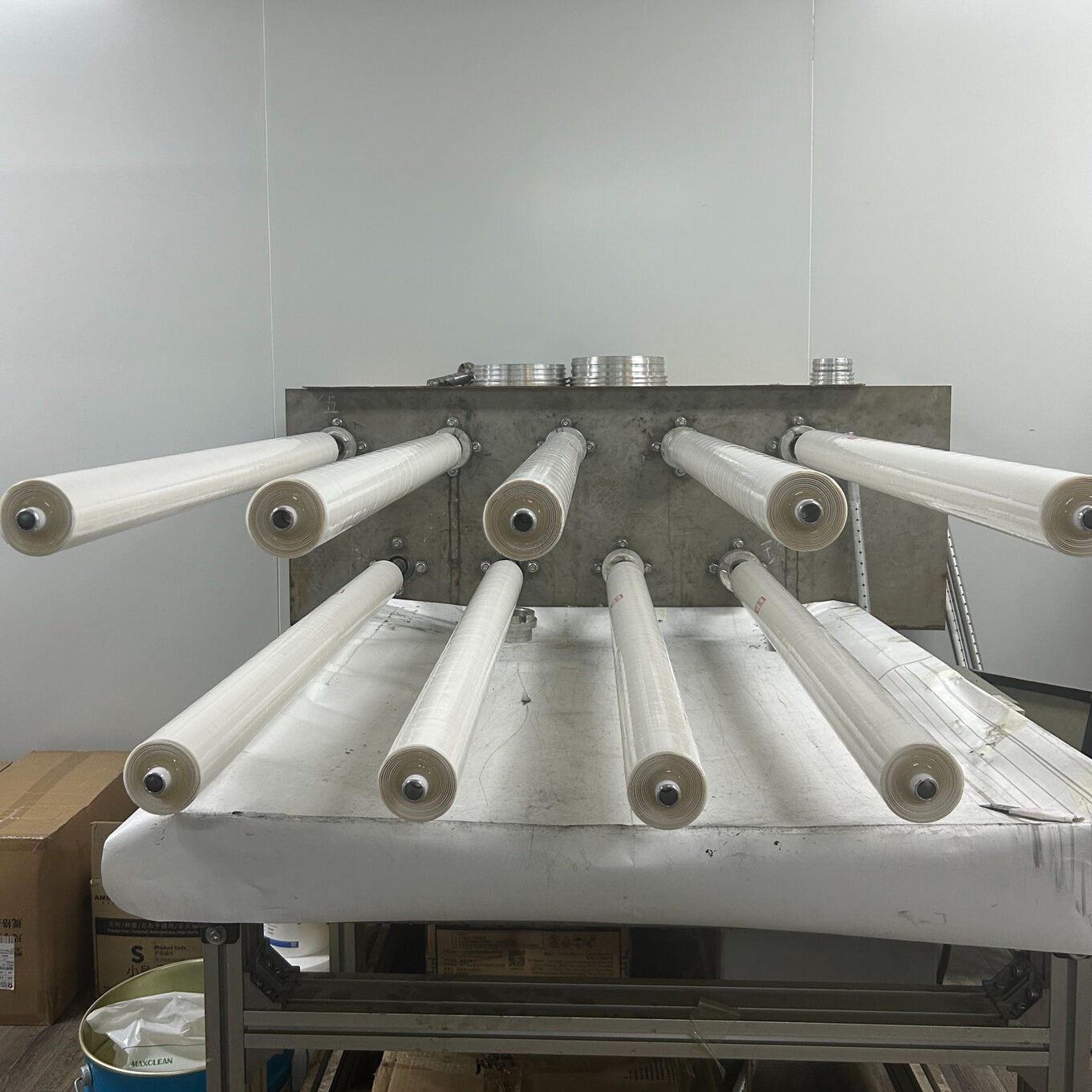
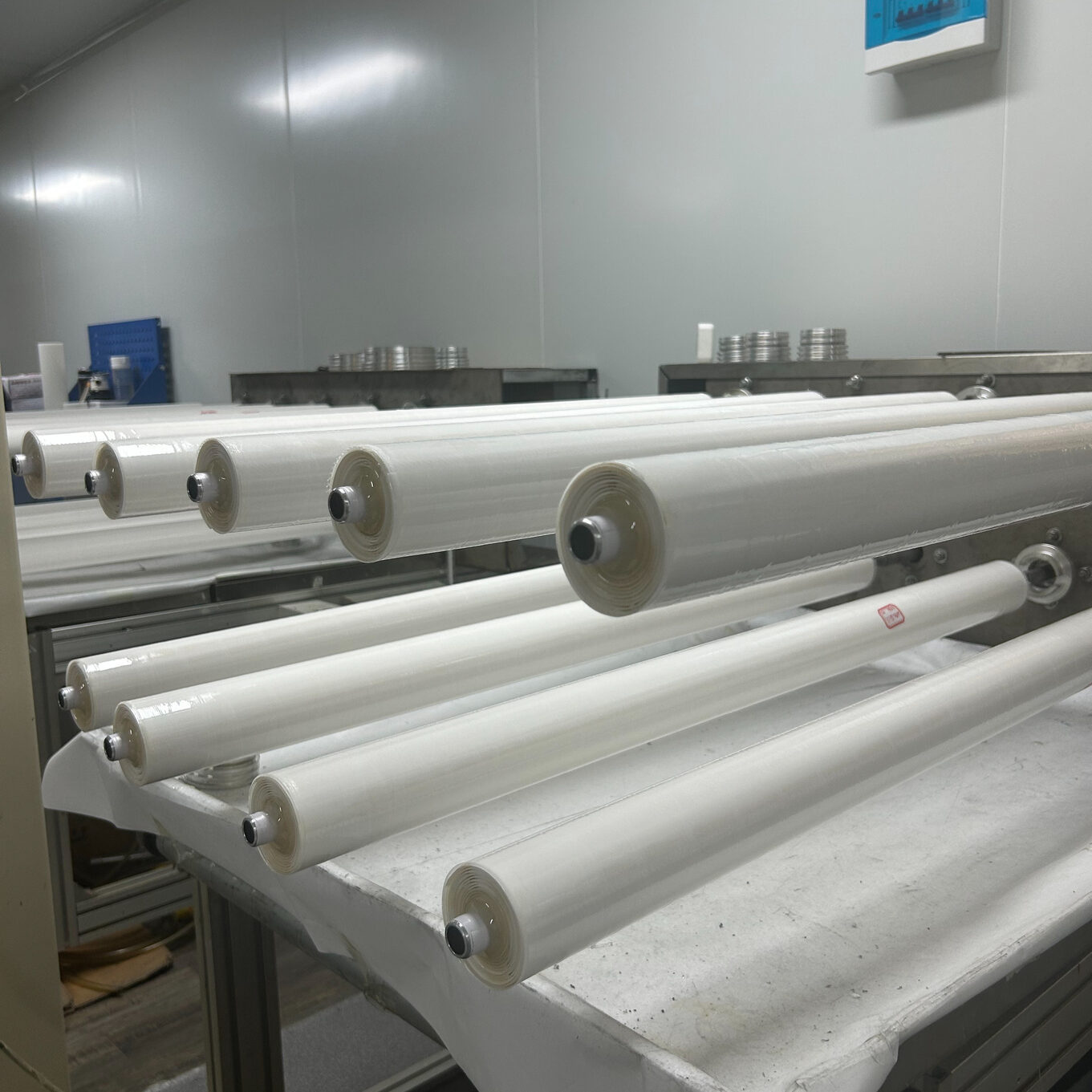
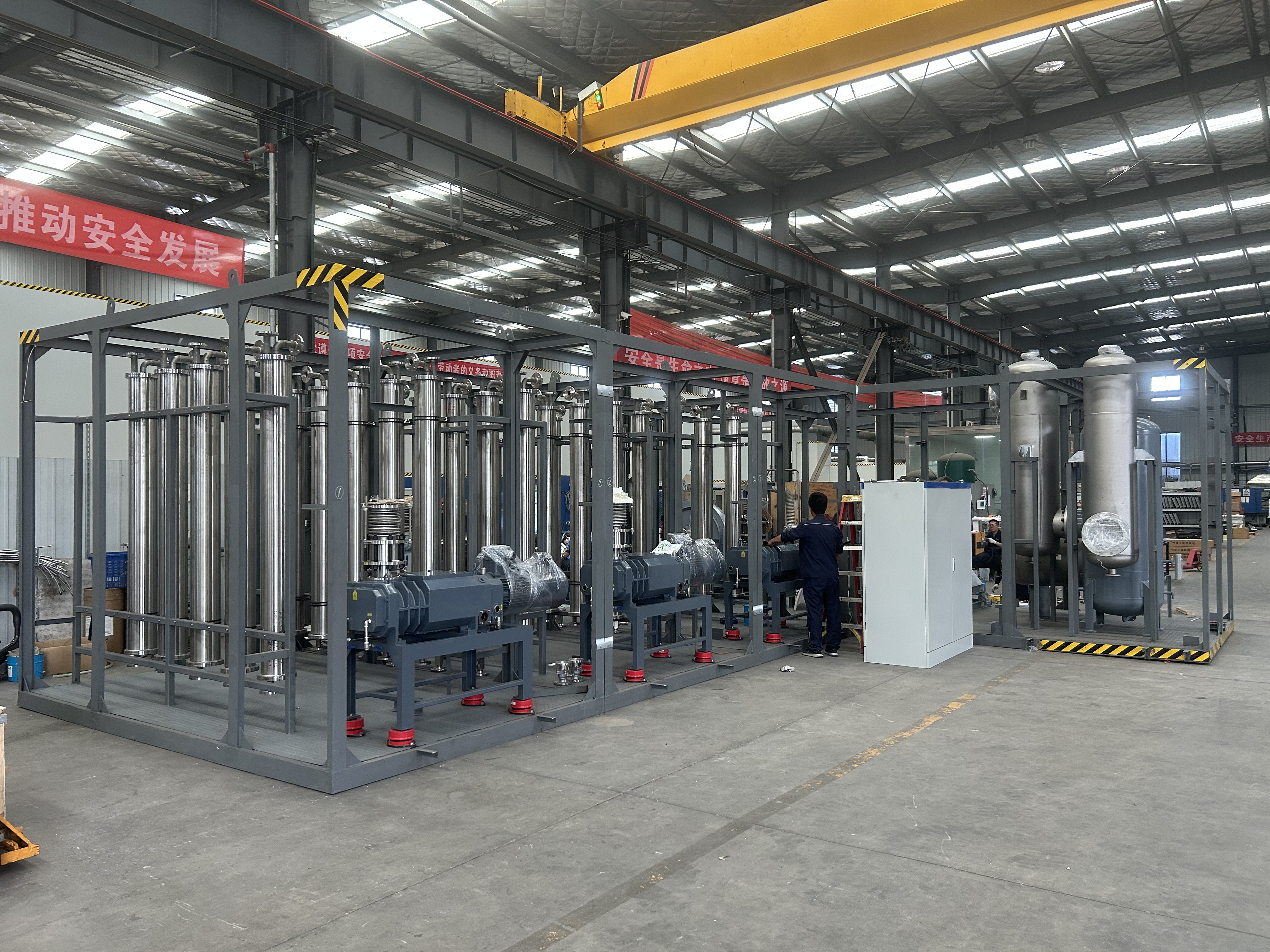
How to install and debug a membrane separation device? Direct answer: Follow the five steps of "arrival acceptance, positioning piping, pre-processing and joint debugging, airtightness and vacuum, and operation with gas" - first check the model and spare parts upon arrival, and after positioning according to the diagram, ensure that there are no misconnections in the piping. First, stabilize the pre-processing (filtering and defogging), and then perform airtightness and vacuum leak detection. After confirming that there are no leaks, gradually increase the load and operate with gas. The judgment criteria should be based on whether the flux and separation indicators have reached the design range after commissioning, rather than just passing them off after installation. This article explains the installation and debugging process from unboxing to venting. The membrane device is afraid of misconnecting and being put into operation with defects: if one pipeline is connected incorrectly and one leak point is not checked, the flux cannot be increased after operation and the reason cannot be found. The rework cost is much higher than the previous careful adjustment.
Before opening the box, check the list item by item: model and quantity of membrane components, pre-treatment filter cartridges, seals, instruments, and random files. Focus on whether the appearance of the film core is damaged or deformed, whether the sealing surface is intact, and whether the nameplate parameters are consistent with the order. Spare parts and consumables should be separately registered and stored in the warehouse, and should not be mixed with installation parts and lost. Complete the installation diagram, piping diagram, and electrical diagram in the random file, and rely on it for subsequent piping and wiring. Sign and archive the acceptance records, and if there are any issues in the future, review this one first to avoid many detours.
Position according to the drawings and leave enough space for maintenance. The membrane core is the core component and should be removable and replaceable around it. Piping is divided into intake pipe, permeation pipe, purge and instrument pipe. Each pipe is connected according to the diagram and checked against the diagram after connection to prevent misconnection and reverse connection. Clean the pipeline after welding or flange connection, as welding slag and debris entering the system may cause film sticking. Check the flow direction and direction of the valve, and do not install the check valve and isolation valve in reverse. The piping is marked with clear markings indicating which air intake, which infiltration, and which blowing are all visible during operation and maintenance.
The membrane is sensitive to dust and water. Pre treatment (filtration and defogging) should be stabilized before operation: the filter element should be installed according to the working conditions, and the defogger should be checked for installation and drainage. Airtightness and vacuum leak detection are key factors: the intake side and vacuum side are separately pressurized for leak detection, while the flange, valve stem, and sight glass are high-risk areas for leak detection, and soap or detector positioning is required. If the leakage point is not removed, the vacuum degree will not increase and the flux will not rise after being put into operation, and the root cause lies in the sealing. Record the location and disposal of the leak detection, and proceed to the next step only after passing the retest.
The commissioning process follows the principle of "starting with low pressure and small load, gradually increasing to the design range": first, clean gas or small flow test is conducted to confirm that there are no abnormalities before increasing the load. At the initial stage of operation, limited time monitoring of flux and separation indicators was conducted, and compared with the design values, if there was a significant difference, the pre-treatment and leakage points were checked first rather than the strange membrane. After being put into operation, establish a baseline and record the flux, pressure difference, vacuum degree, and concentration. The subsequent trend judgment relies on it. Shutdown should be carried out according to regulations, and shutting down with pressure or solvent may leave hidden dangers.
| Steps | key action | error-prone points | The right way to do it |
|---|---|---|---|
| arrival inspection | Nuclear membrane core and documents | File loss rework | Complete the list and archive it |
| Positioning piping | Connect and review according to the diagram | Wrong connection, reversed connection | Clear markings along the way |
| Preprocessing | Install the correct filter element for defogging | Failed adhesive film | Stabilize first and then put into operation |
| Airtight vacuum | Pressure holding and leak detection on both sides | Leakage point leads to low flux | Inspection of soap solution for flange valve stem |
| Put into operation with gas | Low voltage starting load increase | Returning to work with illness | Establish a baseline ledger for traffic volume |
First, check for leaks and pre-processing: if the airtight vacuum is not thoroughly checked, the vacuum degree will not increase and the flux will naturally be low; The pre-treatment filter element is installed incorrectly or fails, and dust and water enter the system to form a film. After excluding both options, look at the membrane itself and don't rush to replace it.
The intake and permeate gases are connected in reverse, the separation direction is completely wrong, the exhaust concentration and recovery rate do not meet the standards, and in severe cases, the membrane core is damaged; After the piping is completed, it must be reviewed and labeled clearly according to the drawings before being put into operation.
Must: The membrane system is driven by pressure difference, and a single leak point makes it difficult for the vacuum degree and flux to rise. The location of the leak point is also difficult to find; The intake side and vacuum side are separately pressurized for leak detection and recorded for retesting, which is much more labor-saving than reworking after commissioning.
This article by LuoyangWohong PetrochemicalEquipment Co., Ltd. arranges that the company provides design, manufacturing and operation and maintenance services for condensation recovery, membrane separation recovery and complete solvent recovery devices for chemical and pharmaceutical enterprises. If you need process evaluation or scheme configuration, please contact and exchange.
Mr. Li 13526990215

Hotline