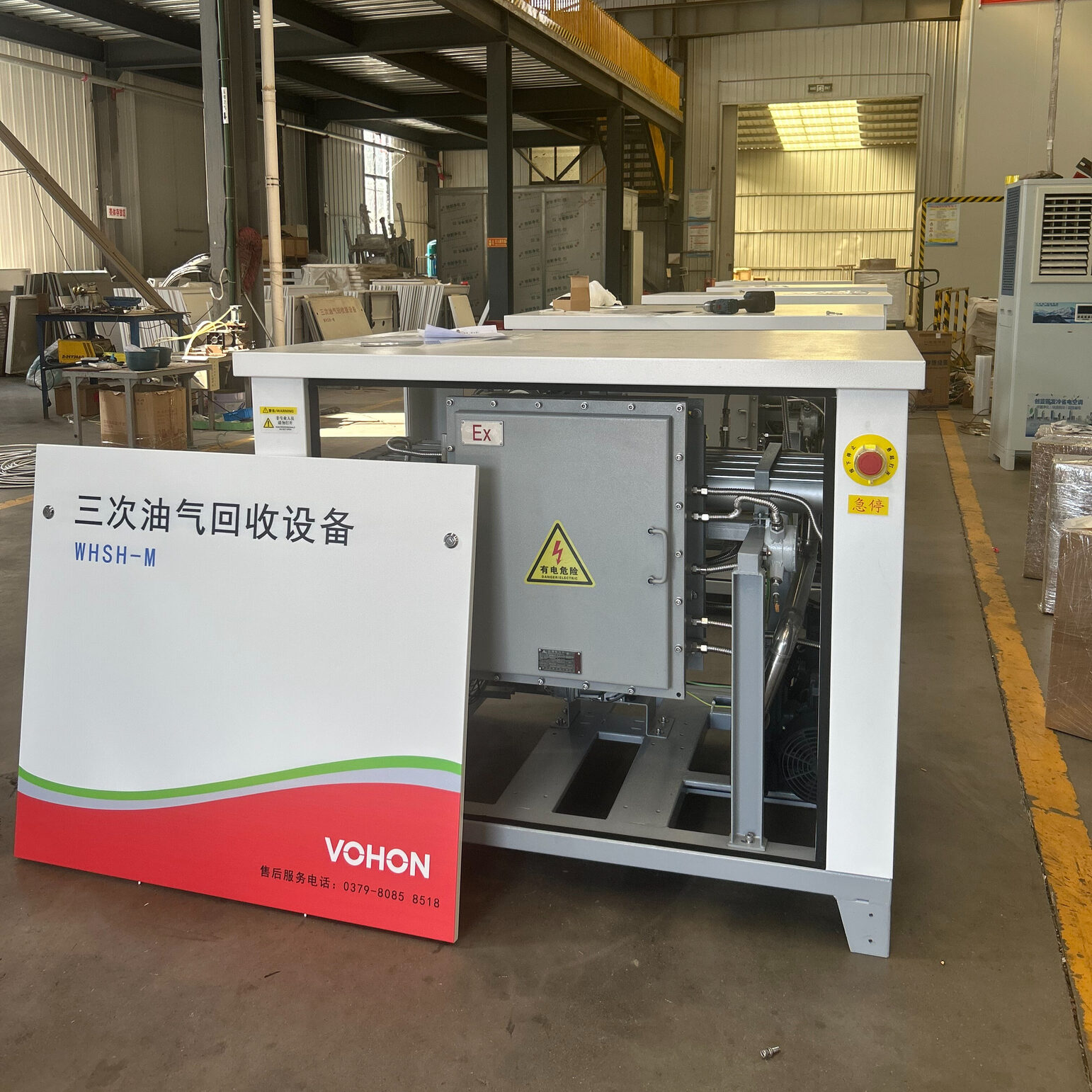
How to read the parameters on the nameplate of oil and gas recovery equipment? Direct answer: Focus on the six core factors - processing capacity, imported oil and gas concentration, emission concentration, vacuum degree, installed power, and explosion-proof level. The first four factors determine whether it can meet the standards, while the last two factors determine whether it can operate safely and stably. Checking the caliber is to compare the nameplate value with the on-site measurement and working condition requirements, rather than just looking at the label numbers. This article explains the meaning of each parameter and the comparison method used during acceptance. A nameplate is like a medical examination report for equipment. Only by reading it can one buy it correctly and use it steadily, without being stumped by a single inspection report during acceptance.
The processing capacity is the amount of gas that the equipment can process per hour, and the inlet concentration is the proportion or mass concentration of the intake oil and gas volume. These two items need to be matched with the actual working conditions of the equipment: if the gas volume is too small, it cannot be processed, and if the concentration exceeds the limit, it will wash away the backend process. During on-site verification, list the maximum loading and unloading load and the most unfavorable concentration conditions in the station, and compare them item by item with the rated value on the nameplate, leaving enough margin to ensure the safety of the rated value. Many sites have poor performance after being put into operation, and the root cause is that the gas volume or concentration is calculated based on the average rather than the peak value during selection.
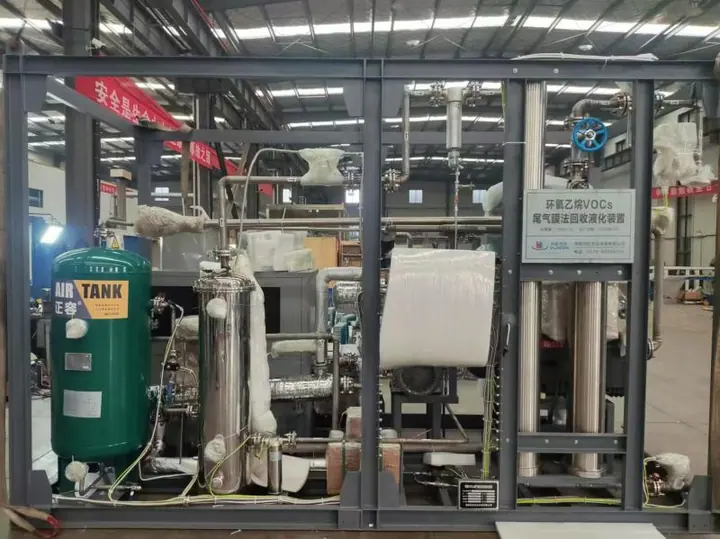
The emission concentration is the indicator of hydrocarbons in the exhaust gas of the equipment outlet, which directly corresponds to the local emission standards and is the hard line for acceptance; The recovery rate is the proportion of collected oil and gas to the intake, which determines the economic return. One vote veto and one vote bonus: No matter how high the recovery rate is, it's useless if the emission concentration does not meet the standard. If the recovery rate is zero and meets the standard, it's just a matter of spending money to buy compliance. We need to obtain third-party testing reports from external sources and look at trend data from online monitoring internally. Single point qualification does not necessarily mean long-term stability.
The vacuum degree reflects the suction capacity, and if the vacuum does not reach the collection end, it cannot be sucked, which is the power basis for secondary recovery and membrane separation; The installed power is the upper limit of electricity consumption, which is related to operating costs and distribution capacity. Check the vacuum degree to see if there is a deviation between the nameplate value and the on-site measurement. If the deviation continues to be too large, it indicates that there is a problem with the pump or seal; Power verification should not only focus on the rated value, but also on the actual current under typical operating conditions. For power distribution stations with large peak to valley differences, margin should be left according to the peak value.
Oil and gas fields belong to explosive hazardous environments, and the explosion-proof signs, protection levels, and applicable gas groups on the nameplate are the bottom line of safety compliance. Mismatching is equivalent to burying hidden dangers. When checking, compare the division of the on-site area with the explosion-proof level of the equipment, and ensure that the gas and temperature groups cover the medium of the station. The protection level is related to the durability of outdoor and humid environments, and coastal high humidity stations should not ignore this aspect.
| parameter | meaning | Verify the caliber | FAQ |
|---|---|---|---|
| processing capacity | Hourly gas processing capacity | Leave a margin for peak load | Choose smaller based on average operating conditions |
| Import concentration | Inlet oil and gas concentration | For the most unfavorable working conditions | Concentration exceeding the design to crash the backend |
| emission concentration | Export compliance indicators | Regarding standards and testing reports | Single point qualified non long-term stable |
| Vacuum degree | Suction capacity | On site measurement of nameplates | Large deviation prompt pump seal |
| installed capacity | Upper limit of power consumption | Current under typical operating conditions | Insufficient peak power distribution |
| Explosion-proof grade | Safety compliance bottom line | Medium for regional division | Mismatched buried hidden dangers |
Deviation within a reasonable range is normal, but continuous deviation from the indicated operating conditions or changes in equipment status: if the gas volume is consistently lower than the rated value, it is due to excessive selection; if it is consistently higher than the rated value, it is due to insufficient selection or increased load. Both should be recalculated instead of being compromised.
Not enough: Achieving emission standards depends on long-term stability, and a single point of compliance may only be due to good operating conditions during that time; Combining trend data from online monitoring with periodic third-party testing for joint judgment is more reliable than a one-time report.
List the explosion hazard classification, medium gas group, and temperature group in the area of this site, and align them with the explosion-proof signs on the nameplate one by one. If any of them cannot be covered, they cannot be used. Do not visually inspect the nameplate based on experience.
This article by LuoyangWohong PetrochemicalEquipment Co., Ltd. arranges that the company provides design, manufacturing and operation and maintenance services for condensation recovery, membrane separation recovery and complete solvent recovery devices for chemical and pharmaceutical enterprises. If you need process evaluation or scheme configuration, please contact and exchange.
Mr. Li 13526990215

Hotline