Is the organic vapor recovery membrane sensitive to the inlet temperature? Direct answer: Sensitive. An increase in temperature generally accelerates molecular motion and increases the permeation rate of target components, but at the same time, the selectivity of the membrane decreases and the separation accuracy deteriorates; If the temperature is too low, the flux will be insufficient and the recovery rate will not improve. So, the higher the temperature of the membrane section, the better, but it is necessary to stabilize the inlet temperature within the process window, and cooperate with pre-treatment such as filtration and defogging, so that the recovery rate and membrane life can be stable at the same time. The judgment criteria depend on the applicable temperature range of the film material and the fluctuation amplitude of the on-site intake temperature. The larger the fluctuation, the more temperature control is required. This article explains the impact of temperature and temperature control measures. Many sites only focus on concentration and pressure difference, ignoring the invisible variable of intake temperature, resulting in a seasonal drift in recovery rate without finding the cause.
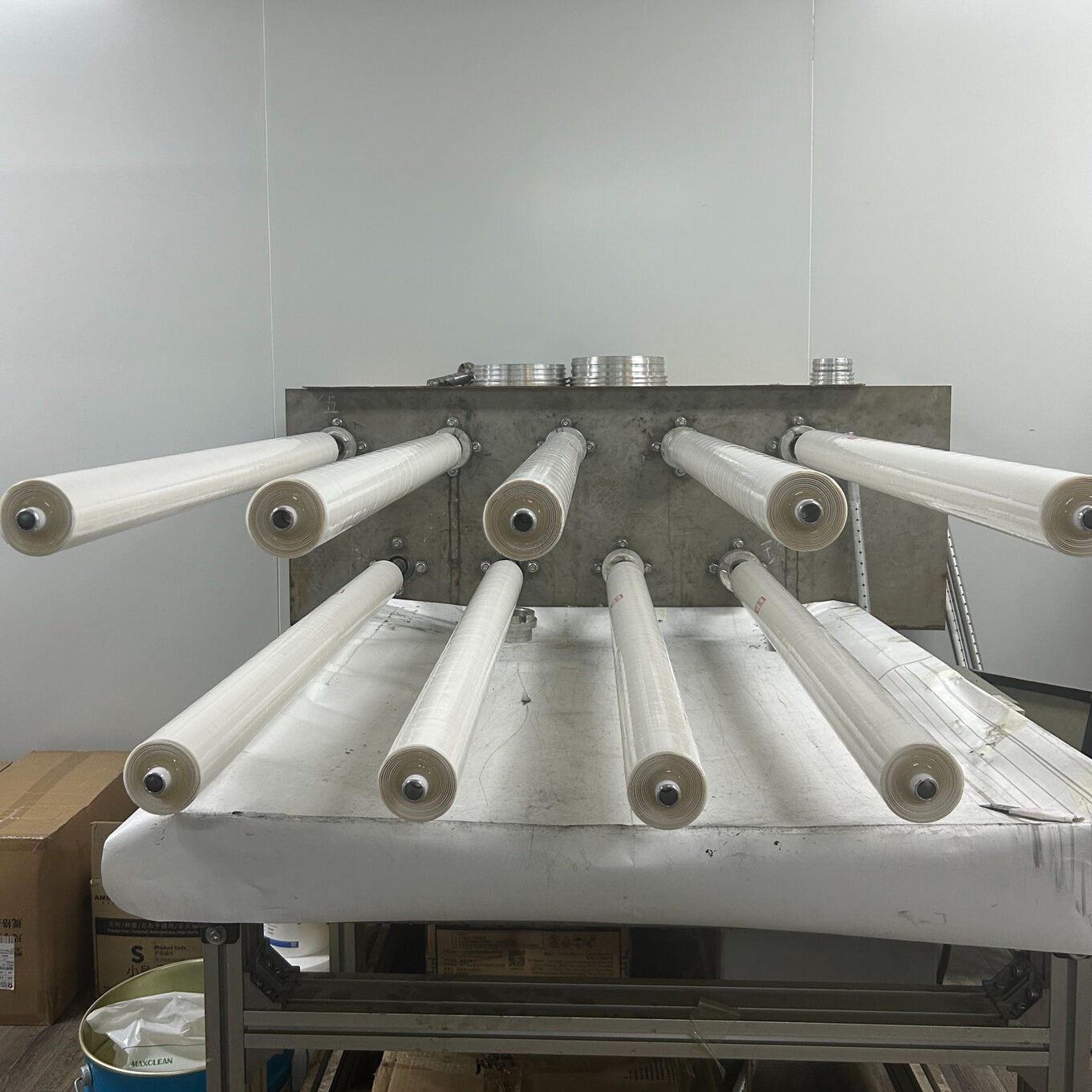
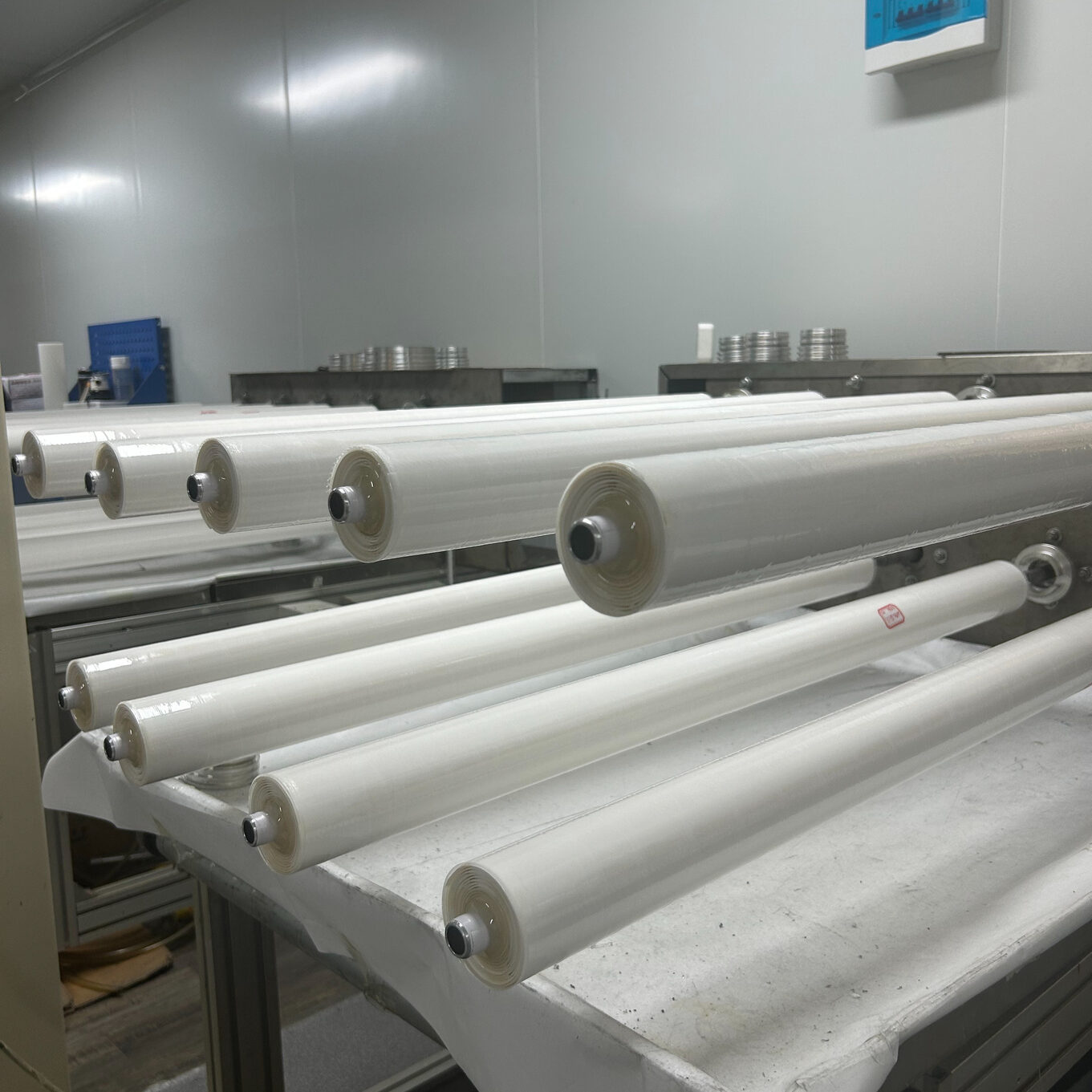
Membrane separation relies on the dissolution diffusion mechanism: oil and gas molecules first dissolve into the membrane, then diffuse through, and accumulate on the permeate side. As the temperature rises, the molecular kinetic energy and diffusion coefficient increase, and the flux increases accordingly; But temperature also changes the selectivity of the membrane towards various molecules. When the organization deteriorates, air components are more likely to pass through, and the enrichment concentration of the target component is diluted. The two effects work in reverse, and temperature becomes a parameter that needs to be finely managed, not the higher the more effective it is. The membrane material itself has a temperature resistance limit, exceeding which will accelerate aging and significantly reduce its lifespan.
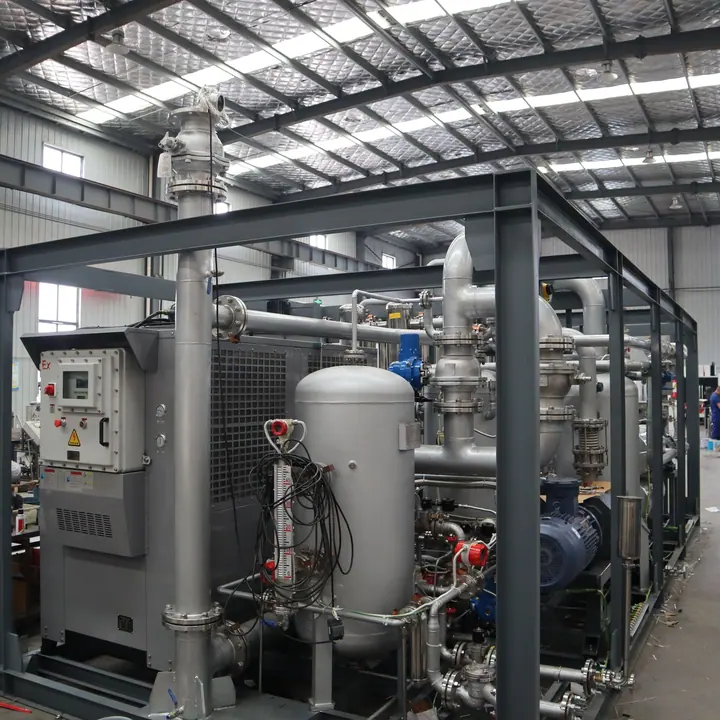
The problem on the high temperature side: selective decrease leads to a decrease in the concentration of permeable gas, a decline in the quality of the recovered liquid, and continuous overheating also damages the membrane; The intake temperature is high in summer, and the separation effect is significantly different from that in winter. Without correction, it is mistakenly judged as a membrane failure. Low temperature side issues: insufficient flux, decreased recovery rate, and forward load in the condensation section; In winter, the intake air is too cold and contains condensate, and inadequate pre-treatment of the membrane can cause film sticking. Both types of instability manifest as fluctuations in recovery rates, but with opposite causes and different disposal directions - one requires cooling to stabilize selectivity, and the other requires insulation to maintain throughput.
The temperature control method should be selected according to the operating conditions: if the intake temperature is too high, heat exchange or cooling should be added in front of the membrane to pull the temperature into the window; If the temperature is too low, add insulation or preheating to avoid insufficient flux. Pre treatment is a prerequisite for temperature management - filtering and defogging to trap solid particles and liquid water outside the membrane, otherwise high temperature and high humidity will accelerate membrane fouling, and low temperature will directly condense and paste the membrane. The combination of temperature control and pretreatment is essential for the long-term stable operation of the membrane segment, resulting in a significantly longer lifespan of the membrane core. The operation record should be viewed together with the trend of intake temperature and flux. Temperature drift is an early warning signal before the recovery rate alarm.
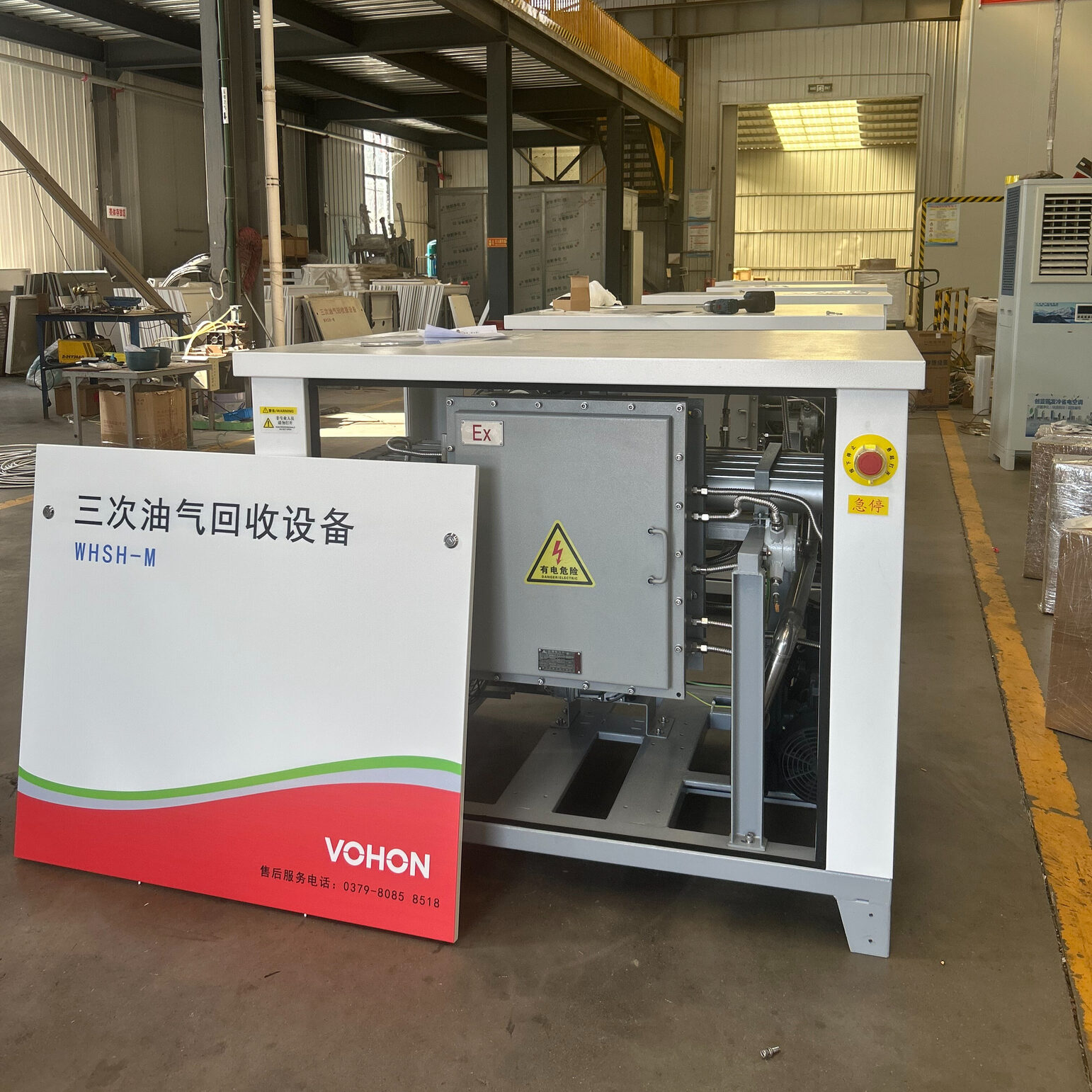
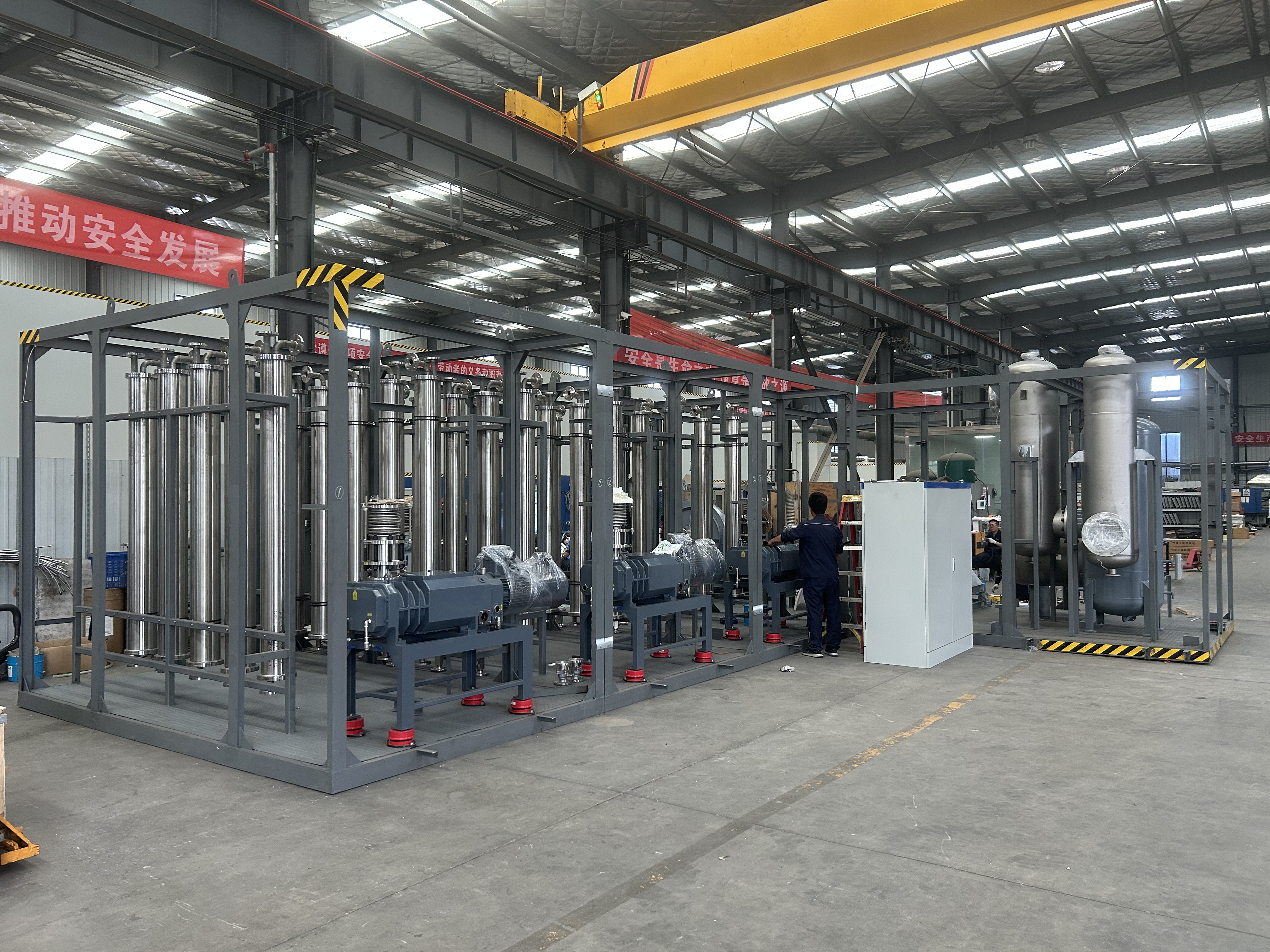
Membrane segments are often combined with condensation: condensation lowers the temperature and concentration first, and the membrane enriches residual materials under relatively stable inlet conditions. The division of labor between the two makes the temperature window easier to control. The outlet temperature of condensation during combination is the inlet temperature of the membrane, and the temperature management of the condensation section directly determines the operating conditions of the membrane section. Designing the condensation and membrane temperature zones as a whole is much more stable than working independently. When selecting, make sure the two temperature parameters are self consistent, and do not let the membrane section handle the temperature fluctuations that have not been properly handled by condensation.
| Temperature status | The impact on the membrane | performance | countermeasure |
|---|---|---|---|
| relatively high | Selective flux reduction and increase | Permeation gas has a short lifespan | Cooling into the window |
| low | Insufficient flux | Recovery rate decreases | Insulation or preheating |
| high volatility | Selective instability | Recovery rate drift | Temperature stabilization and pre-treatment |
| Carrying water and dust | Accelerated pollution | The pressure difference of the adhesive film increases | Filtering and defogging |
| Super temperature resistance | Membrane aging | Sudden reduction in lifespan | Temperature control should not exceed the limit |
Not necessarily: High intake temperatures in summer can alter separation selectivity, and seasonal drift in recovery rates is common; Pull the temperature back to the window first and then check, don't rush to determine if the membrane core has failed.
Liquid water and particles can cause film sticking and accelerate pollution, especially at high temperatures and high humidity, and directly condense at low temperatures; Insufficient defogging and temperature control cannot restore the stability of the film section.
Difficulty: The membrane is sensitive to temperature and exhibits unstable selectivity when there are large fluctuations; Combining with condensation and managing the outlet temperature of condensation as the inlet temperature of the membrane is much more stable than relying solely on the membrane section.
This article by LuoyangWohong PetrochemicalEquipment Co., Ltd. arranges that the company provides design, manufacturing and operation and maintenance services for condensation recovery, membrane separation recovery and complete solvent recovery devices for chemical and pharmaceutical enterprises. If you need process evaluation or scheme configuration, please contact and exchange.
Mr. Li 13526990215

Hotline