How much flux can be restored after membrane module cleaning? Direct answer: It depends on the type of pollution and whether the cleaning is targeted - physical cleaning for mild pollution can bring the flux back to near the initial level, while chemical cleaning for moderate to severe pollution can usually restore most of it, but the recovery is limited when the pollution reaches the irreversible stage. The criterion for judgment is not "how long to wash the tube once", but the comparison of the flux and pressure difference before and after cleaning. If the recovery amplitude decreases after two consecutive cleaning cycles, a replacement plan should be made. This article explains the cleaning method of "diagnosing first, selecting methods later, and retesting later". Membrane is afraid of blind washing: pouring chemicals without distinguishing the type of pollution, which can result in incomplete washing or damage to the membrane material, and even drag reversible pollution into irreversible.
Before cleaning, check the operating data: slow decrease in flux, slow increase in pressure difference, and changes in effluent or permeability indicators, which are the three criteria for determining pollution. Common types include organic matter and biofilm, inorganic salt scale, microorganisms, and particulate matter, each with different manifestations - the surface of the biofouling membrane is smooth and the pressure difference in the first stage increases rapidly, while the pressure difference in the second stage of inorganic scale increases and the indicators significantly decrease, and the particle colloid flux gradually decreases. If necessary, take a scale sample for analysis, determine the type accurately, and then choose a cleaning agent to avoid deviation. Cleaning without diagnosis is equivalent to blind typing, wasting medication and potentially damaging the membrane.
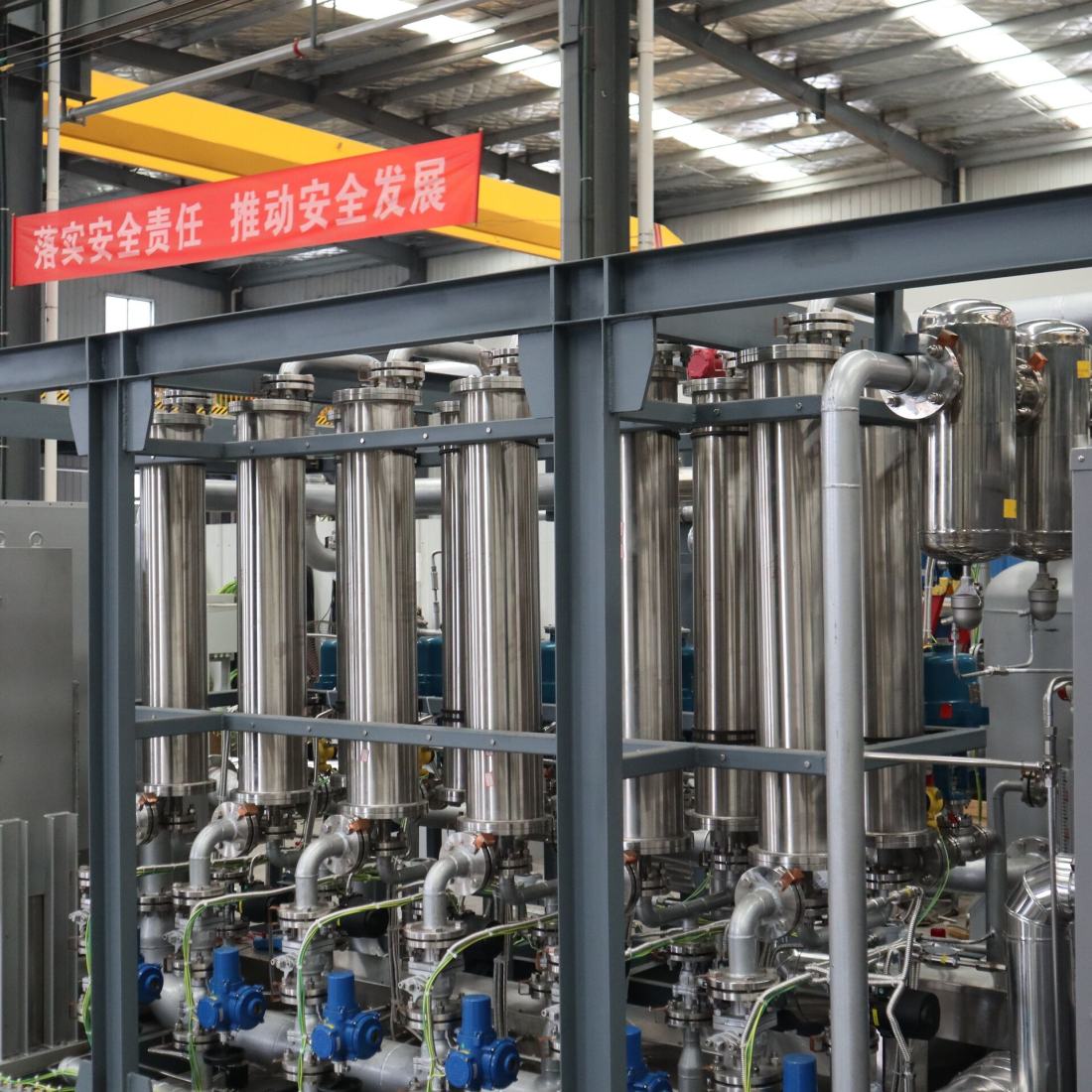
Mild, surface pollution priority physical cleaning: backwashing, air-water combined scrubbing, low-pressure high flow flushing, to flush away loose suspended solids and shallow blockages on the membrane surface, gentle and non damaging to the membrane. Physical cleaning can be done on a daily basis, suitable for emergency recovery and regular maintenance, to prevent pollution from worsening. Its upper limit is also obvious - deep-seated stubborn pollutants cannot physically move, and relying on increased pressure may actually damage the membrane structure. Don't delay when it's time to apply chemistry.
Chemical cleaning for moderate to severe pollution: Select chemicals according to the pollutants, remove inorganic salt deposits with acidity, organic matter and biofilm with alkalinity, sterilize and disinfect with oxidants, and remove metal ion deposits with chelating agents. Chemical cleaning requires cycling and soaking, and the chemicals and membrane materials must be chemically compatible. Temperature pH、 The time strictly follows the limit set by the film manufacturer. Exceeding the limit will oxidize and degrade the film material, causing irreversible scrapping. Mixing different pollutants is strictly prohibited to avoid the formation of new insoluble sediments that can exacerbate blockage. After cleaning, rinse with clean water until neutral without leaving any residue.
After cleaning, retest the flux and pressure difference, compare with the baseline to confirm the recovery amplitude, and record the data, chemicals, and duration of each cleaning in the file. The recovery range is the core criterion: the recovery of light pollution is close to the initial level, the recovery of moderate to severe pollution is mostly but slightly lower, and the decrease in recovery after two consecutive cleaning operations indicates that the pollution is developing irreversibly. Prepare spare parts according to the replacement plan. Acceptance also depends on whether the transmembrane pressure drop returns to the normal range or the effluent or permeability index returns to the design value. Only when both criteria are met can the washing be considered complete.
| pollution level | Preferred method | Restore Expectations | Attention point |
|---|---|---|---|
| mild | Physical cleaning | Approaching the beginning | Don't forcefully apply pressure to damage the membrane |
| moderate | Symptomatic chemical cleaning | Restore most of it | Compatible with pharmaceutical film materials |
| severe | Offline deep cleaning | Limited recovery | Decay decreases by replacement |
| retest | Comparison of flux pressure difference | Determine the extent of recovery | Decrease means preparing spare parts |
Trends: If the flux decreases by one or two percent compared to the baseline, the transmembrane pressure difference continues to deviate, and the permeability index declines, cleaning should be arranged when these three factors occur together; Don't wait for the emission alarm, by then you often miss the good window.
Exceeding the temperature and pH limit will cause the membrane material to be sensitive to chemicals, and the temperature must be controlled according to the manufacturer's limit pH、 Mixing chemicals for different types of pollution based on time; Chemical cleaning under compliant operation is routine maintenance, and membrane damage is often caused by exceeding the limit or mismatched chemicals.
First, confirm if it is true pollution: fluctuations in intake concentration, vacuum decay, and instrument drift can also cause changes in flux readings; After eliminating false signals, if the recovery amplitude decreases after two consecutive cleaning cycles, follow the replacement membrane core plan and do not wash and drag repeatedly.
This article by LuoyangWohong PetrochemicalEquipment Co., Ltd. arranges that the company provides design, manufacturing and operation and maintenance services for condensation recovery, membrane separation recovery and complete solvent recovery devices for chemical and pharmaceutical enterprises. If you need process evaluation or scheme configuration, please contact and exchange.
Mr. Li 13526990215

Hotline