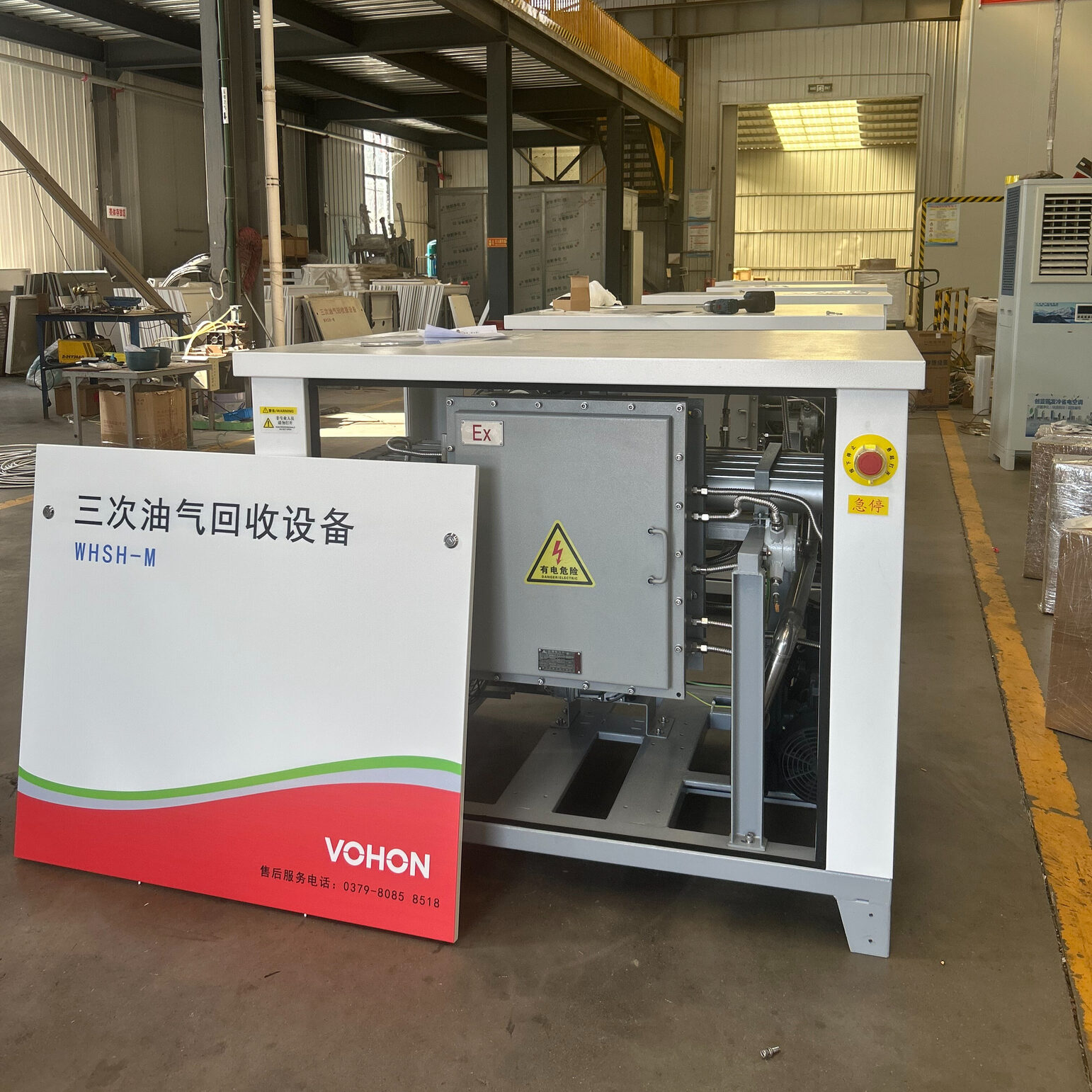
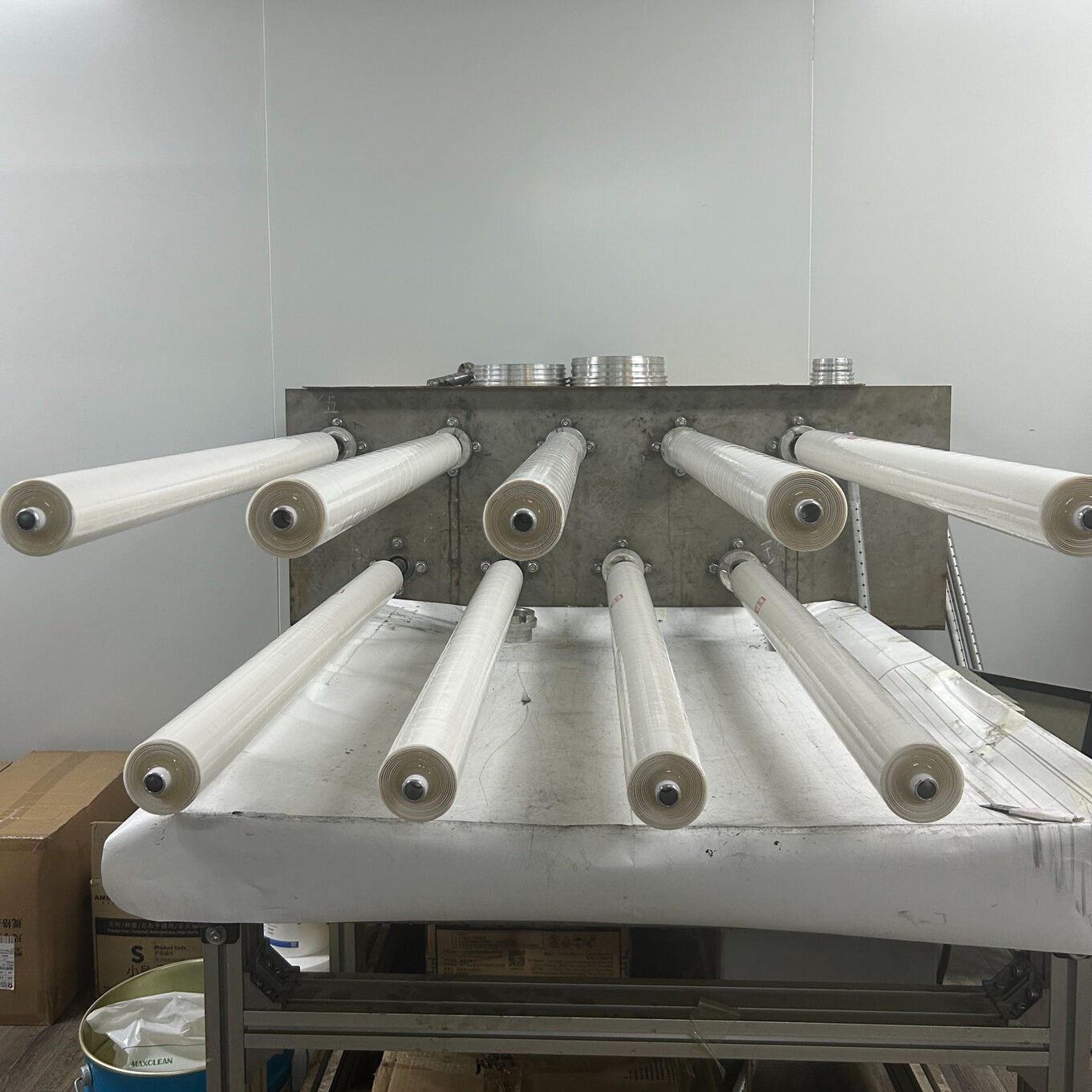
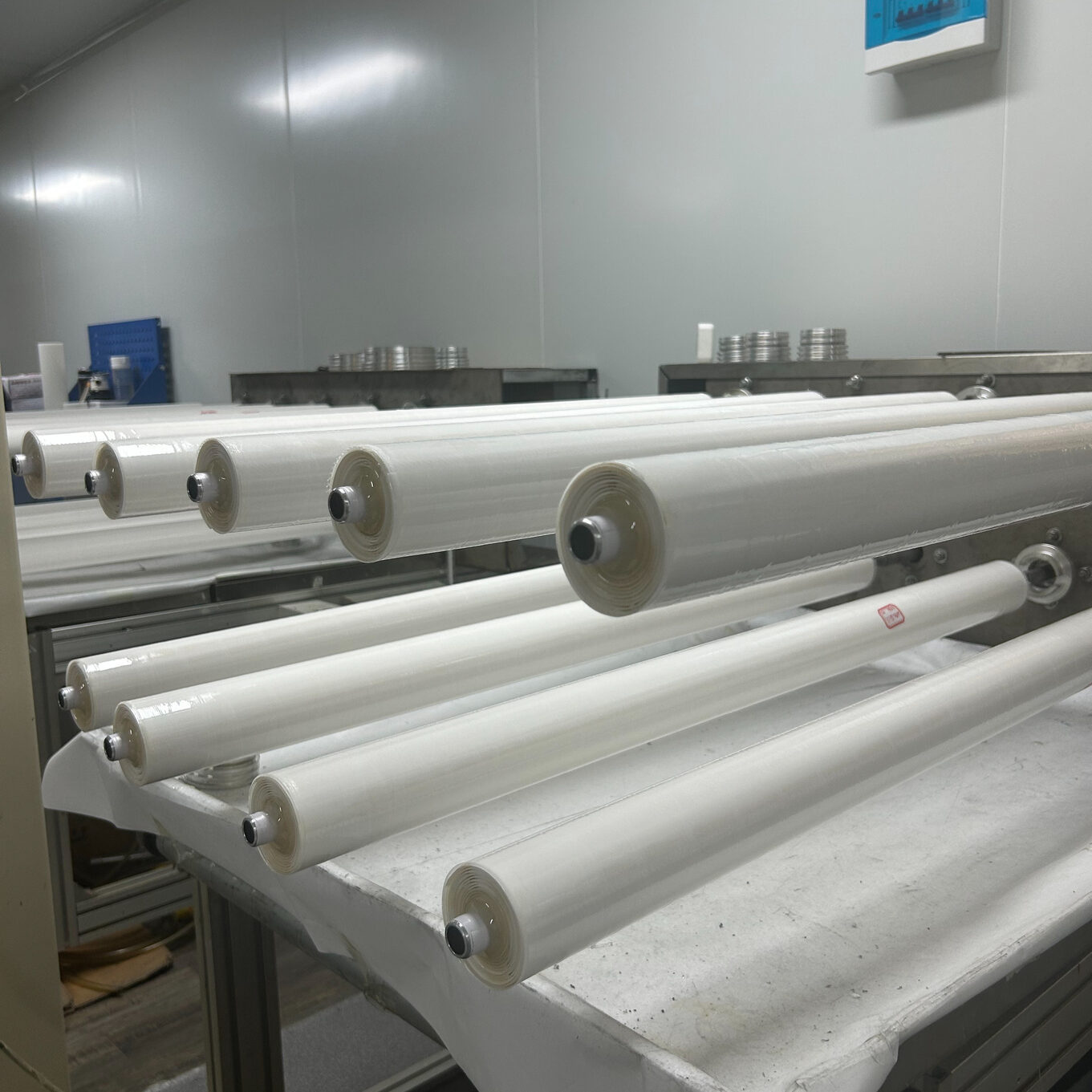
Can membrane based oil and gas recovery meet the standard separately? Direct answer: For most high concentration, continuous loading and storage tank exhausts, a single-stage membrane can compress the oil and gas concentration to a lower level, but in order to ensure long-term stable emissions that meet the limit, it usually requires an additional stage of condensation or adsorption for post-treatment. The reason is that membrane separation has the characteristics of "enrichment on the interception side and exhaust on the permeation side". With a single membrane section, the residual concentration on the permeation side will drift with the fluctuation of feed concentration, making it difficult to lock below the limit value for a long time. Judging criteria based on emission limits and fluctuations in operating conditions: In situations where the limits are strict and the feed concentration fluctuates greatly, post-treatment is more reliable; A single-stage membrane may also meet the requirements of stable concentration and loose limit values, but in engineering, the post-treatment stage is often retained as a guarantee. This article clarifies the capability boundaries and combinatorial logic of the membrane method.
Membrane separation is driven by the pressure difference on both sides, allowing oil and gas molecules to preferentially pass through the membrane and be enriched, resulting in a decrease in concentration on the air side. Its advantages are continuous operation, strong ability to handle high concentration intake air, small equipment size, and fast start-up. In high concentration and relatively concentrated gas scenarios such as loading and tank exhaust, membranes can intercept and enrich most of the oil and gas, significantly reducing the load on the later stage. A common misconception on site is to treat it as a terminal device that covers the whole world, ignoring the need to dispose of residual exhaust on the permeate side. The membrane is the enrichment and reduction stage, not the final treatment stage under all operating conditions. This positioning needs to be adjusted first.
After the single-stage membrane concentrates the feed oil and gas, high concentration oil and gas are obtained on the enrichment side for recovery, and low concentration gas is discharged on the permeation side. The problem lies in the permeation side: when the feed concentration increases or the vacuum degree fluctuates, the residual concentration on the permeation side also rises, making it difficult for a single stage to stabilize this side below the limit value for a long time. Especially during peak loading, simultaneous operation of multiple crane positions, and significant changes in material composition, the fluctuations are more pronounced. Relying solely on a single-stage membrane to meet the standard is equivalent to placing a hard limit on a link that already drifts with the working conditions, which carries a higher risk. The function of the post-processing stage is to consume this residual portion and lock the emissions into a stable range.
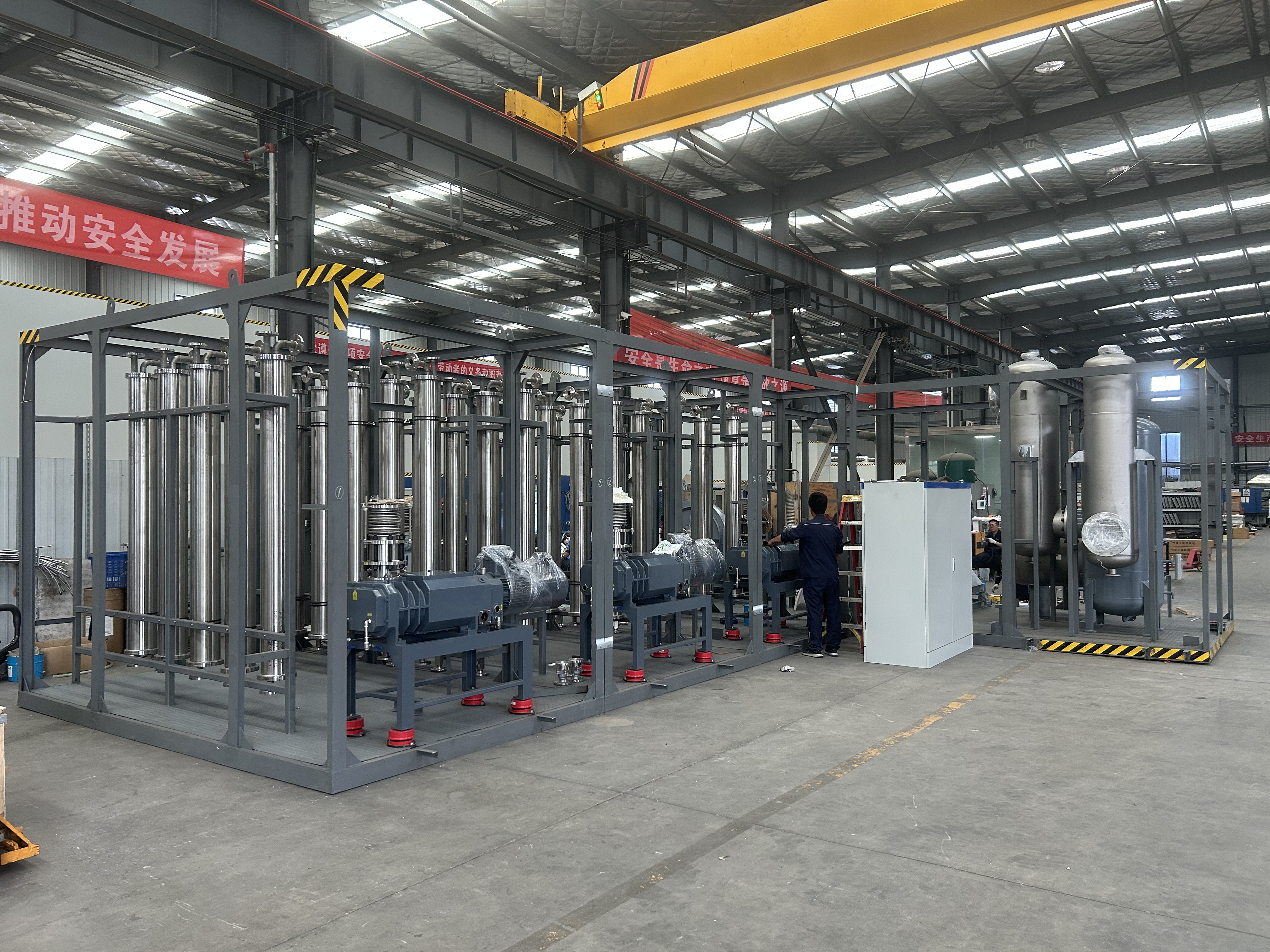
Whether to choose condensation or adsorption for post-processing depends on the operating conditions and recovery goals: condensation is suitable for situations where the enriched high concentration oil and gas are directly liquefied, and the recovered liquid is directly reused, with energy consumption varying with the processing capacity; Adsorption is suitable for further sweeping residual concentrations to very low and relatively stable loads,activated charcoalOr use zeolite as a backing. For high concentration continuous discharge and those who want to directly take the recovered liquid, condensation and film coating are common combinations; For those with low concentration, large fluctuations, and pursuing stable emissions, membrane adsorption is more stable. The two can also be stacked, first membrane enrichment, then condensation liquefaction, and then adsorption sweeping, gradually reducing the concentration. The selection is based on the material and the limit value, not the usual set.
The key point of the combination system is grading: the membrane is responsible for enrichment and reduction, collecting large blocks of oil and gas first; Condensation or adsorption is responsible for bringing the residual concentration within the limit. In operation, it is necessary to ensure the pre-treatment of the feed, and to first block the oil mist, dust, and moisture in the oil and gas, so that the membrane and the later stage can be stable; Monitor the pressure difference on both sides of the monitoring membrane and the concentration on the permeate side, in conjunction with the concentration at the outlet of the later stage, to achieve a closed-loop system. Switching and interlocking should follow the design to avoid uncontrolled emissions when a single section fails. Combination is not simply a concatenation, but rather allowing each segment to do what they are good at, making the whole stable.
| scene | Feasibility of single-stage membrane | Recommended post-processing | Description |
|---|---|---|---|
| High concentration continuous loading | Reluctantly, with significant fluctuations | condensation liquefaction | Direct reuse of recycled liquid |
| Large fluctuation of concentration | unstable | Membrane adsorption | Adsorption sweep lock limit |
| Loose and stable limit values | May meet | Not suitable or reserved | According to actual measurement |
| Peak value of multiple crane positions | not enough | Membrane condensation and adsorption | Gradual pressure concentration |
| Oil mist dust | Membrane is prone to fouling | Preprocess first | Shelf life |
| Pursuing recycled liquid | adaptation | Condensation priority | Directly obtain liquid |
Viewing limits: Single stage membranes may meet the requirements of loose and stable feed conditions, but in most scenarios with strict limits and large fluctuations, the residual on the permeation side of the single stage membrane will drift with the working conditions. It is only stable when combined with condensation or adsorption. Do not place all hard limits on one stage of the membrane.
If you want to directly use the recycled liquid for condensation, if you want to further reduce the residual concentration, choose adsorption. If the concentration is high and the liquid needs to be recycled, use condensation more often. If the fluctuation is large and stable, use adsorption more often. Alternatively, you can first film and then condense and then adsorb step by step.
It will increase, but the post-processing involves small air volume or high concentration gas after membrane enrichment, with a smaller volume than directly adding the whole set. The overall energy consumption is usually lower than the cost of single stage hard support to meet standards or repeated rectification, and it is more accurate to calculate based on operating conditions.
This article by LuoyangWohong PetrochemicalEquipment Co., Ltd. arranges that the company provides design, manufacturing and operation and maintenance services for condensation recovery, membrane separation recovery and complete solvent recovery devices for chemical and pharmaceutical enterprises. If you need process evaluation or scheme configuration, please contact and exchange.
Mr. Li 13526990215

Hotline