What is the difference between primary, secondary, and tertiary oil and gas recovery? Direct answer: The three are divided according to the management process - the oil and gas during the unloading of the primary recovery pipe, the oil and gas during the refueling of the secondary recovery pipe, and the treatment of the breathing and centralized exhaust gas in the storage tank of the tertiary recovery pipe. The process, application scenarios, and stages are different. The judgment criteria depend on which process the station is in for emissions: only solve the problem of oil discharge volatilization once, solve the problem of refueling muzzle volatilization twice, and concentrate the oil and gas collected from the storage tank breathing and the first two stages for standard emissions before proceeding three times. This article explains the principles and selection criteria of the three in one go. Many websites only focus on a single link in governance, resulting in front-end confiscation and back-end idleness. Only by clarifying the relationships between links can money be spent on the right things.
A recycling process refers to the process of unloading oil from a tanker truck to a storage tank. When unloading oil, the oil and gas in the storage tank are pushed back to the tanker by liquid oil, and the gas phase is guided back to the tanker through a closed oil unloading crane pipe and return gas pipeline, achieving the transfer of oil and gas between the two vehicles rather than being discharged into the atmosphere. Its core is a set of sealed return gas pipelines and quick couplings, with small renovation and low investment, making it the first hurdle in gas station oil and gas management. New and renovated stations are basically standard equipment, which is a basic compliance item rather than an optional one. If not done properly, the subsequent two levels will be useless.
Secondary recycling is aimed at the high-frequency process of refueling cars. The refueling gun is equipped with a suction port, which synchronously draws back the oil and gas overflowing from the fuel tank with refueling, and sends it back to the storage tank through a vacuum pump, with matching oil and gas separation and pipelines. Its difficulty lies in the sealing of the muzzle and the control of the gas-liquid ratio: a high gas-liquid ratio wastes power, and a low gas-liquid ratio leads to incomplete collection, which needs to be adjusted to a reasonable range according to specifications. The second level is the main force in the daily emission control of gas stations, and the vast majority of management at operating stations starts from this level. The sealing status of the muzzle and pipeline directly determines the collection efficiency.
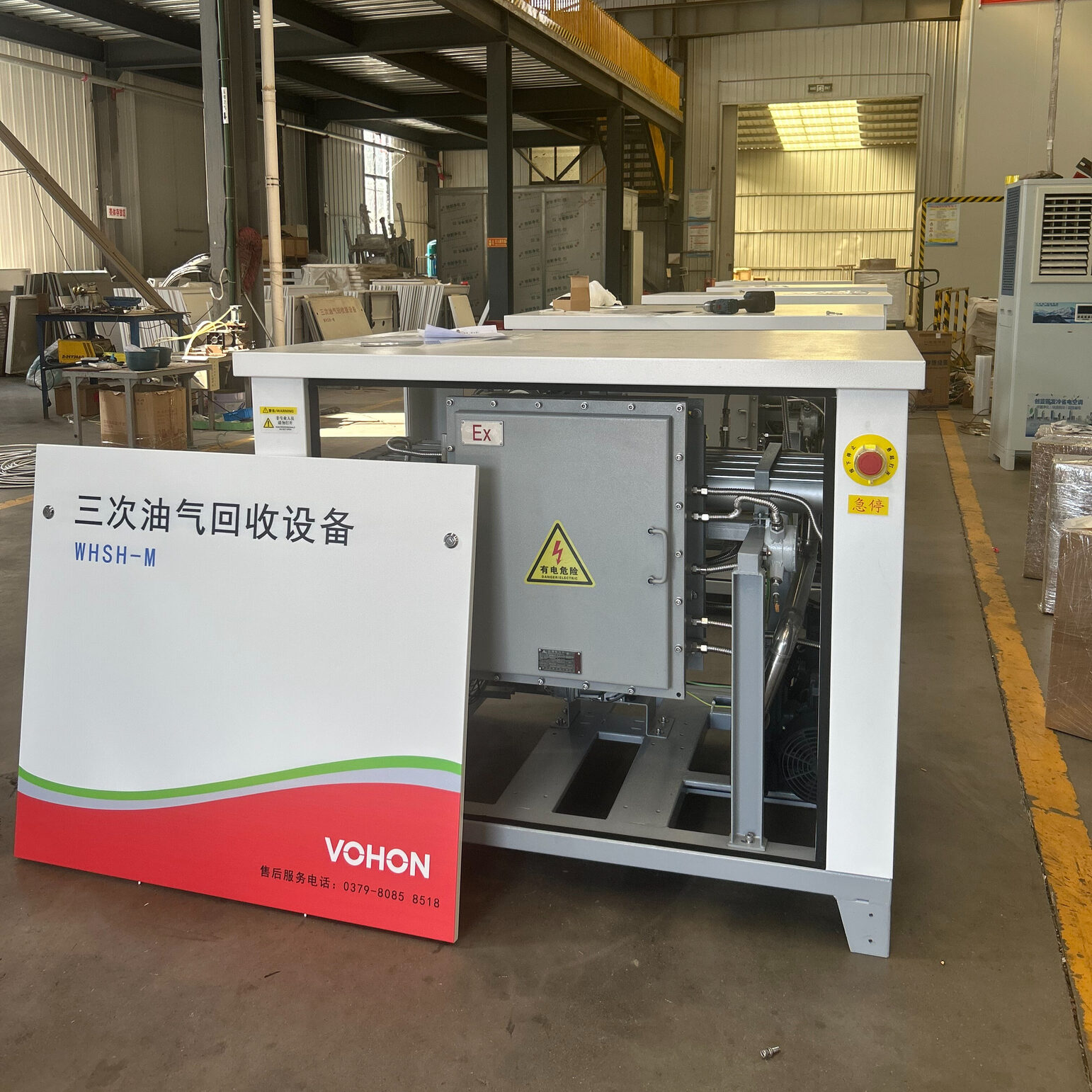
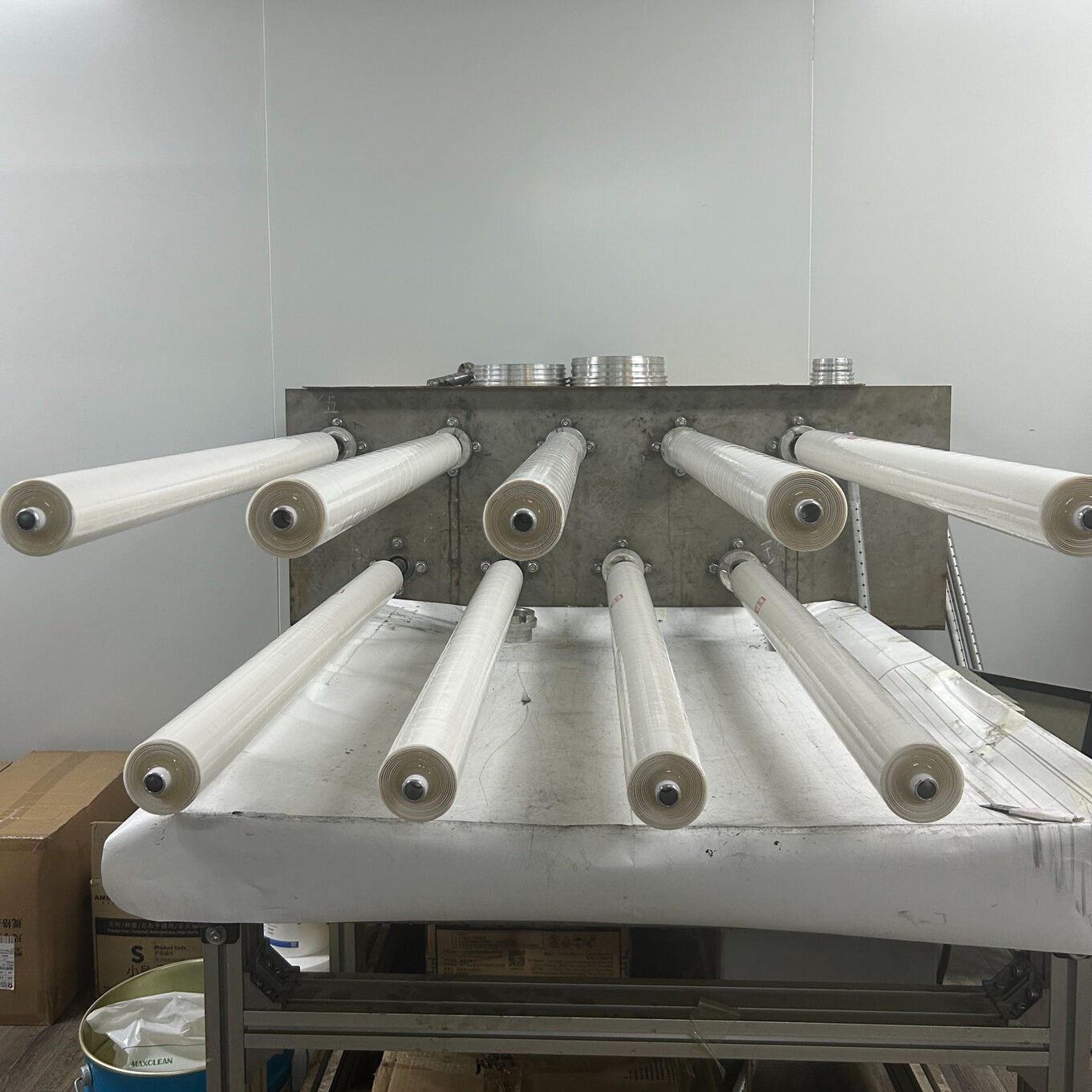
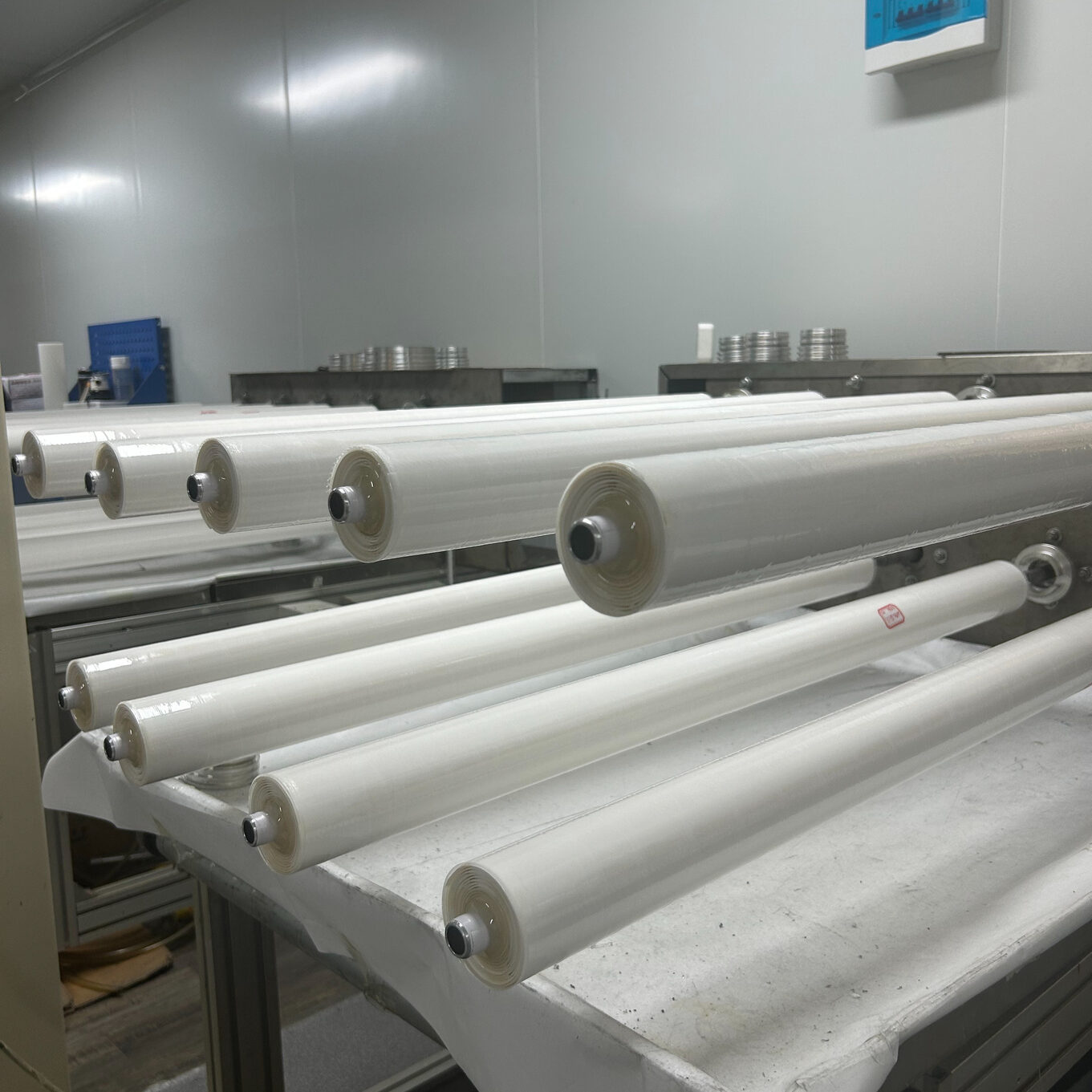
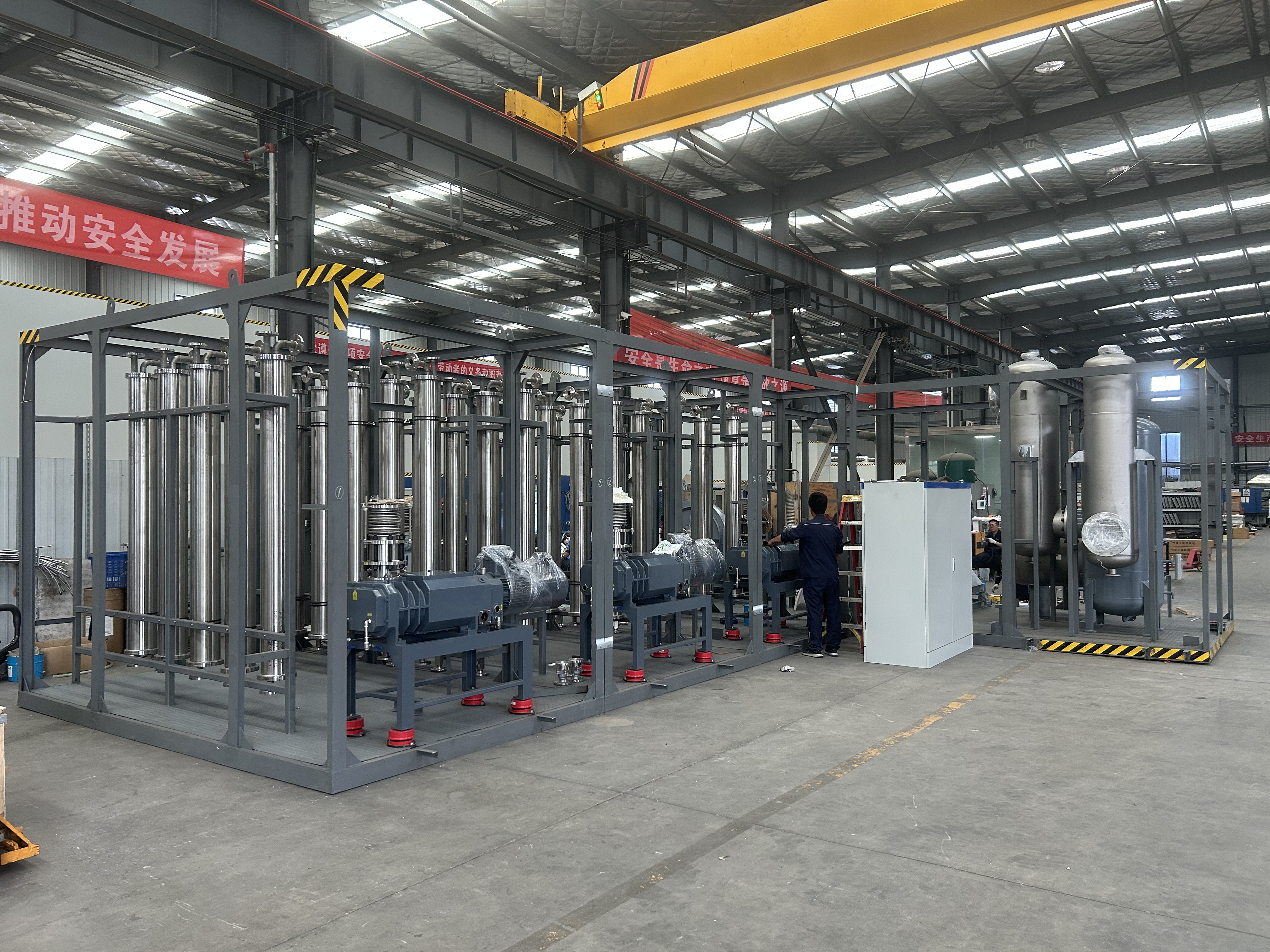
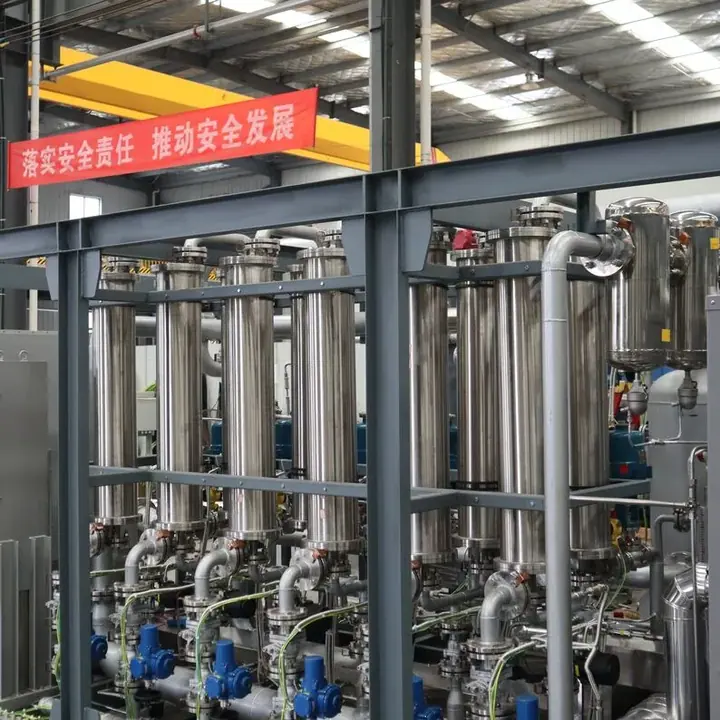
The back-end of the first two stages of three recycling processes - the discharge of the oil tank breathing valve, and the centralized treatment of the oil and gas collected in the first and second stages. The common processes are condensation, adsorption, membrane separation or combination processes, which enrich and recover hydrocarbons in oil and gas into liquids, and discharge the exhaust gas after meeting the standards. Its value lies in meeting the final standards: the first two stages collect oil and gas, and the third stage is responsible for truly processing the collected oil and gas, turning the recovered liquid into a reusable resource. Processing capacity, emission concentration, and recovery rate are the three hard indicators for selection, and any false standard will result in the overall system not meeting the standards.
The selection is not mutually exclusive, and most stations have a combination configuration: primary and secondary are compliant foundations, while tertiary is determined by local emission requirements and recycling value to determine which one to use. Pure diesel or small-scale stations often meet the requirements for first and second delivery; The economy and compliance necessity of three rounds of recycling are highlighted only for stations with large gasoline volumes and located in strictly controlled areas. When combining, don't just look at single-stage parameters, but also check whether the gas-liquid ratio, emission concentration, and recovery liquid direction of the entire chain are consistent. Missing a section will discount the previous investment.
| Segment | Governance object | Common processes | Selection Key Points |
|---|---|---|---|
| once | Unloading oil and gas phase transfer | Closed return air pipeline | Small renovation, low investment, basic compliance |
| second time | The muzzle of the refueling gun evaporates | Vacuum assisted suction | Gas liquid ratio control is key |
| three times thrice on three occasions | Tank respiration and concentrated exhaust gas | Condensation adsorption membrane combination | Check the processing capacity and emission concentration |
| combination | Full link compliance | Add one, two, and three times | According to local requirements and recycling value |
It's not a hierarchical relationship, but a link relationship: the first pipe unloads oil, the second pipe refills oil, and the third pipe is centrally processed at the back end. The cooperation of the three forms a complete governance chain, and any level that is missing has a discharge outlet confiscated. It's meaningless to talk about whether it's advanced or not.
Depending on local requirements and types of fuel: pure diesel or small-scale stations usually meet the requirements for primary and secondary use; The compliance and recycling value of three rounds of recycling are only apparent for stations with high gasoline volume or located in strictly controlled areas, according to local regulations.
The purity of liquid hydrocarbons recovered by condensation and membrane processes is relatively high, and most of them can be mixed and sold or used as raw materials, but they are managed according to the material standards and ledger in the station; The adsorption process recovers enriched gas and requires further processing. Do not mix up the recovered products from different processes.
This article by LuoyangWohong PetrochemicalEquipment Co., Ltd. arranges that the company provides design, manufacturing and operation and maintenance services for condensation recovery, membrane separation recovery and complete solvent recovery devices for chemical and pharmaceutical enterprises. If you need process evaluation or scheme configuration, please contact and exchange.
Mr. Li 13526990215

Hotline