What should we do if the efficiency of oil and gas recovery equipment decreases in summer? Direct answer: The decrease in efficiency in summer is mostly due to working condition deviation - as the temperature rises, the volatilization of oil products increases exponentially, the condensation outlet temperature cannot drop below the set value, the liquefaction rate decreases, the adsorption capacity decreases with temperature rise, and it is easy to saturate and penetrate. The high-temperature softening of rubber hoses brings about air resistance. Dealing with three things: reducing intake temperature, maintaining cooling, and adjusting adsorption cycle. By controlling the intake temperature, the efficiency of all three processes can be stabilized, and there is no need to change the adsorbent immediately.
High temperature affects multiple points of superposition. The volatilization of oil and gas increases significantly with the rise of temperature, and full load becomes the norm in summer, with excess being compressed. The high-temperature heat dissipation of the refrigeration unit deteriorates, the condensation temperature rises, and the efficiency decreases; The adsorbent temperature is too high, resulting in a decrease in capacity and susceptibility to saturation and penetration; The membrane segment is sensitive to temperature, and a higher intake temperature changes membrane selectivity and dilutes the enrichment side.
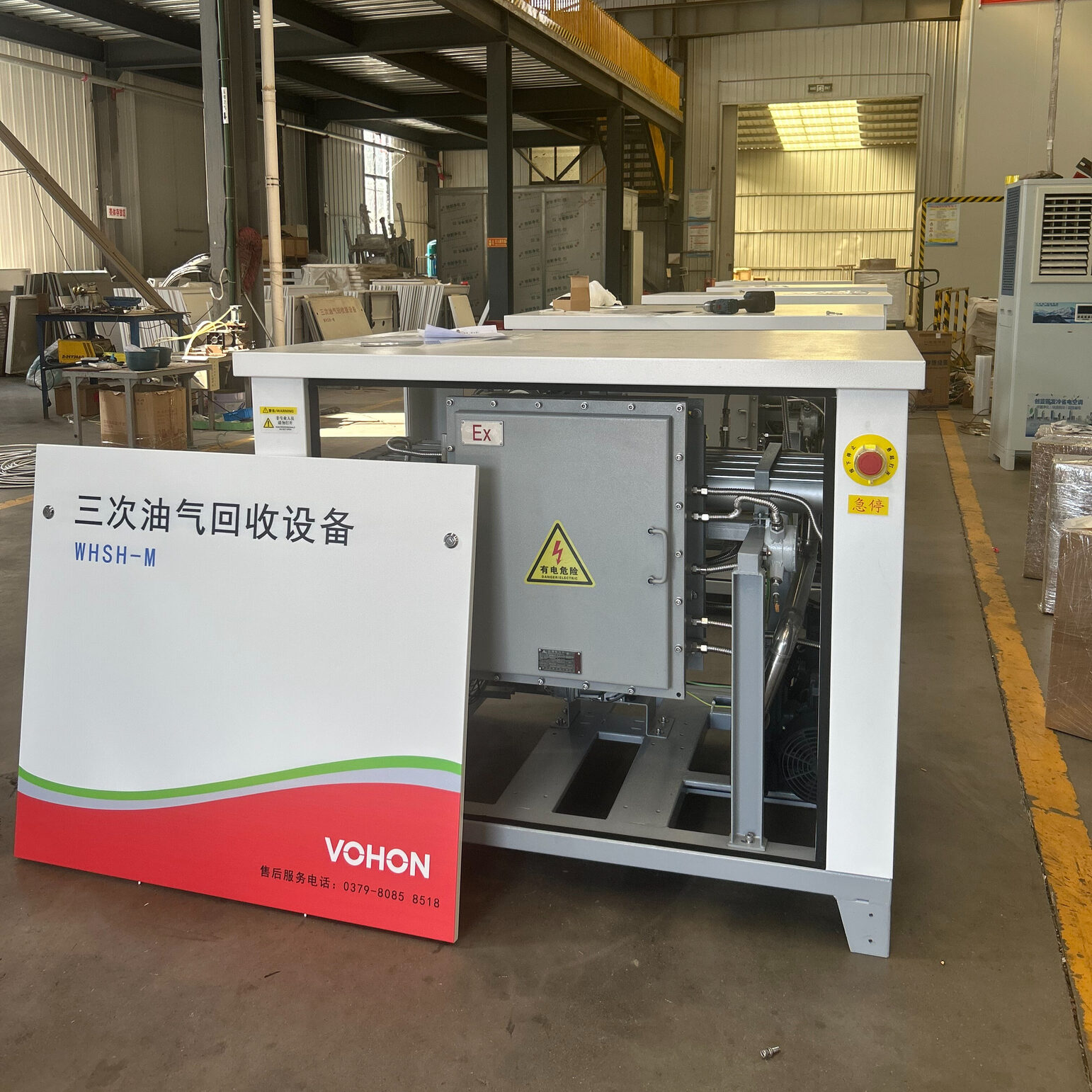
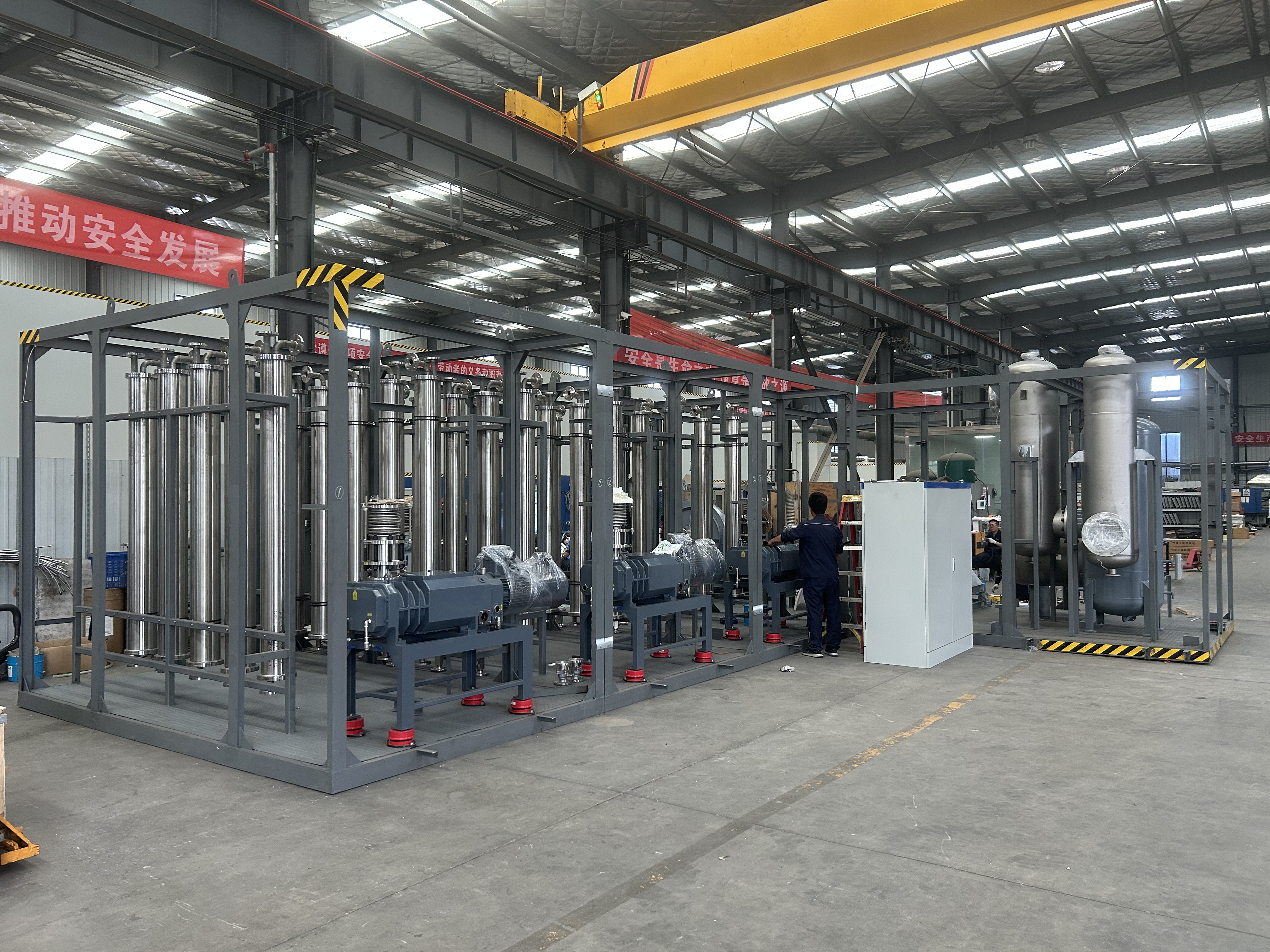
The condensation section is the first to suffer: the increase in ambient temperature leads to poor heat dissipation of the condenser, the outlet temperature of the condenser cannot drop below the set value, the liquefaction rate decreases, and the amount of recovered liquid decreases. There are two countermeasures. Firstly, to maintain the cooling capacity, check the refrigerant quantity, clean the heat exchange surface, and ensure ventilation and shading; The second is staggered operation, which reduces instantaneous load during high temperatures during the day. The renovation selection takes into account the extreme working conditions in summer and leaves enough margin, which is more cost-effective than firefighting every summer after commissioning.
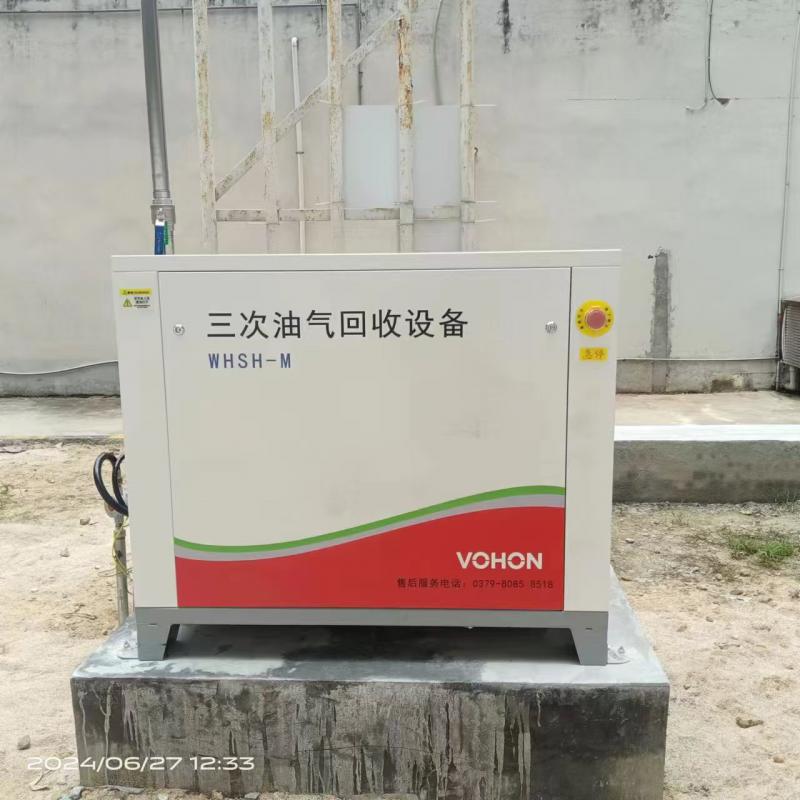
Decrease in adsorption capacity and premature saturation: Heating reduces the effective capacity of the adsorbent, making it easier for the peak concentration at the outlet to approach the limit. To cope with the adsorption cycle, increase the desorption frequency and shorten the cycle according to the season, and strengthen monitoring. To prevent condensation in high humidity areas in the south, if the temperature inside the tank is lower than the dew point, water will accumulate and occupy the adsorption space, causing the adsorbent to pulverize and block the pipeline. During maintenance, the accumulated water must be drained and dried, and it is strictly prohibited to operate with water.
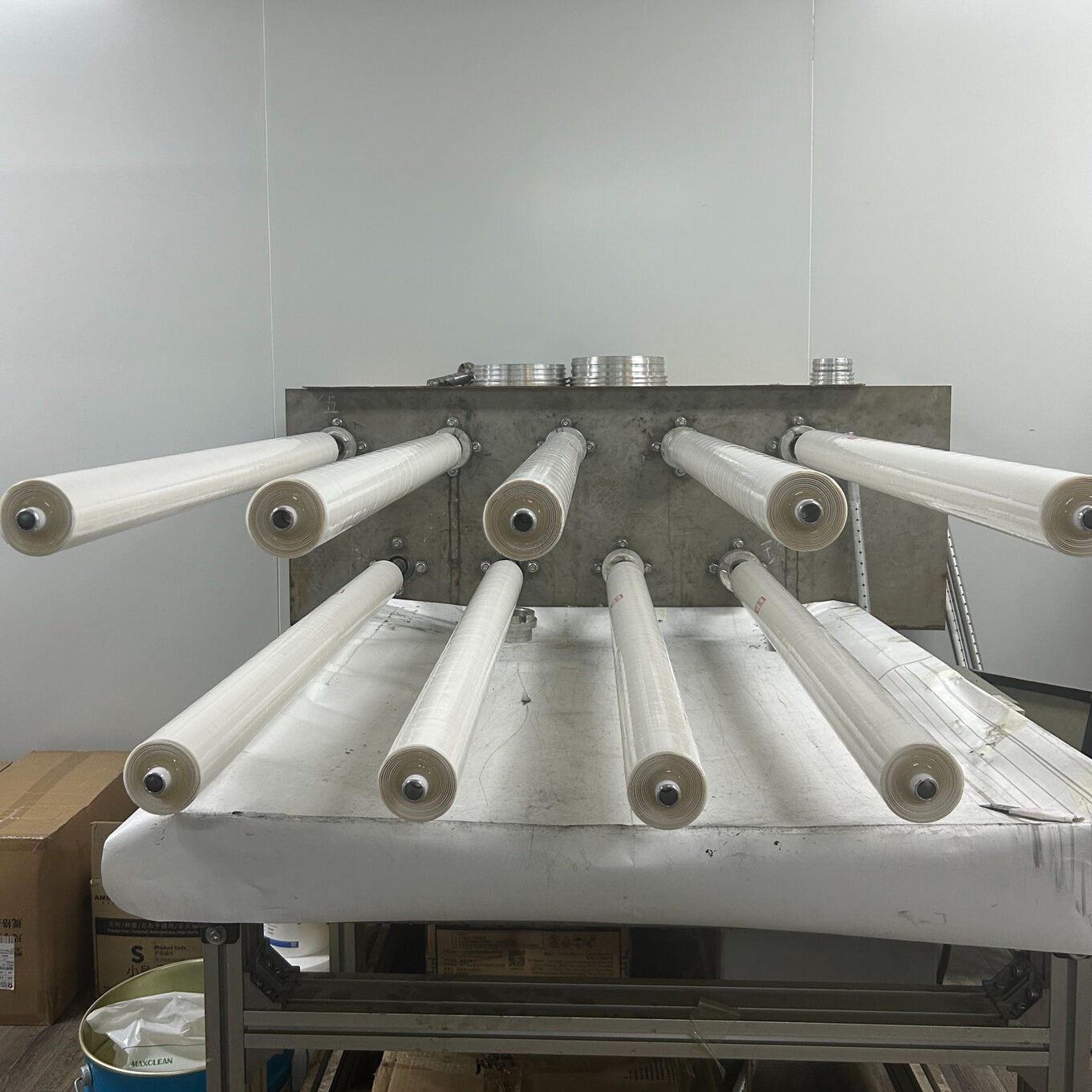
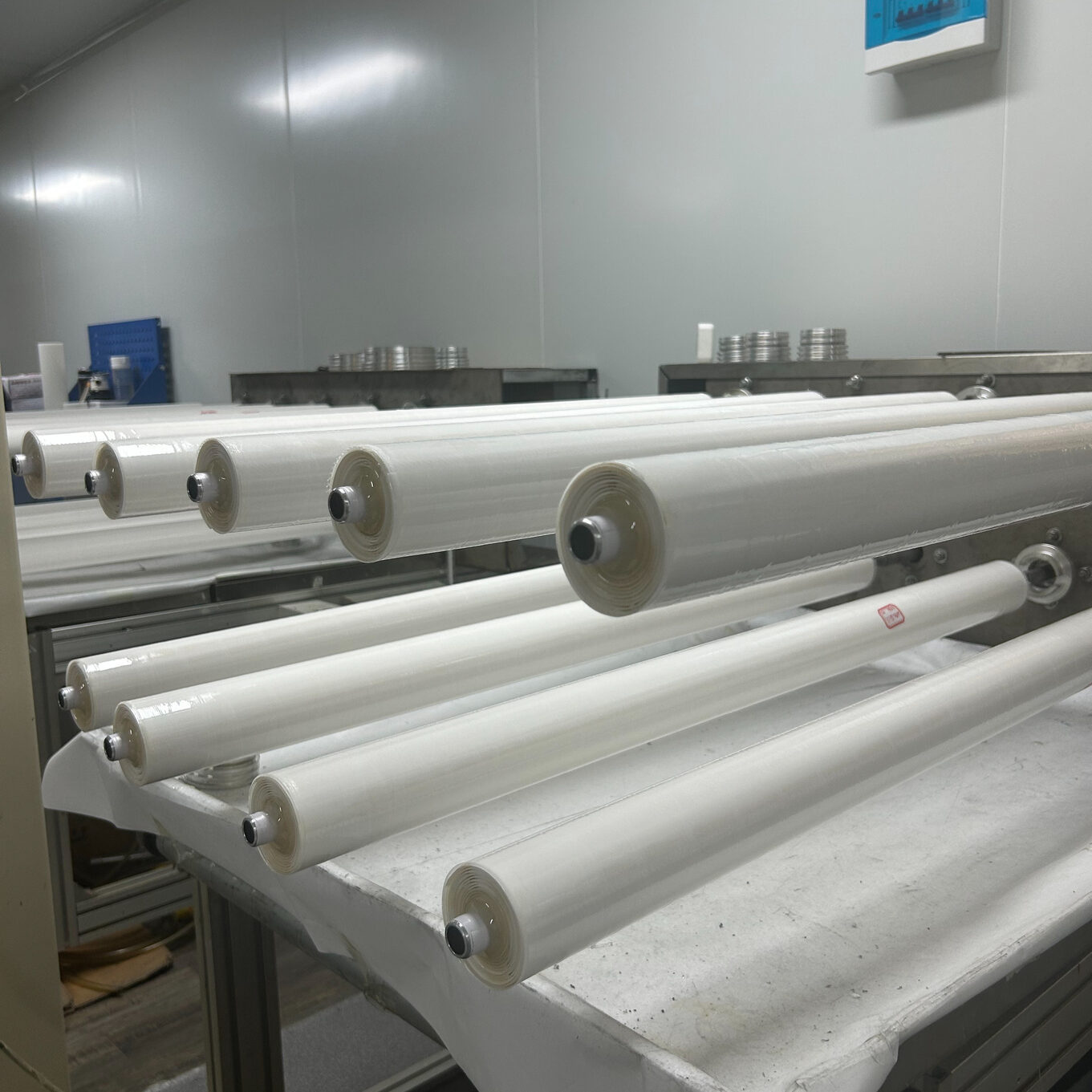
The membrane separation section cannot bypass the inlet temperature: the rubber organic vapor preferentially passes through the membrane, and a higher inlet temperature changes the membrane selectivity, dilutes the enrichment side, and reduces the recovery rate. The countermeasure is to include the intake temperature in the membrane pre-treatment, monitor the temperature before and after the membrane, and check the pre cooling and enrichment circuits if the temperature rise exceeds the range. Like condensation and adsorption, the performance of membrane segments in summer depends on whether the intake temperature is controlled.
Lowering the intake temperature relies on tank sunshade spray and pre cooling before the membrane: tank and pipeline sunshade spray cooling reduces the load from the source; Pre cooling pressure is applied to the inlet temperature before membrane and adsorption. These two items are effective measures to hedge against high temperatures. They should be included in the design before renovation and can be supplemented before summer after operation.
| Affected segment | Performance at high temperatures | Main countermeasures |
|---|---|---|
| Condensation section | The export temperature cannot drop below the set liquefaction rate | Maintain refrigerant volume, clear heat exchange surface, sunshade |
| Adsorption section | Capacity reduction, early saturation penetration | Pre cooling reduces intake and shortens adsorption cycle |
| Membrane separation section | Selective flux enrichment is diluted | Pre cooling before membrane and temperature monitoring |
| Overall system | Seasonal low recovery rate | Leave a surplus for special inspection before entering summer |
Most likely it is a deviation in operating conditions rather than a fault: checking the three variables of intake temperature, condenser outlet temperature, and adsorption cycle according to summer, most of which can be explained; If the decrease is too large, then look at the refrigeration capacity and refrigerant volume of the unit. Don't change the adsorbent right away.
Useful and cost-effective: Cooling the storage tank directly lowers the breathing gas temperature, reducing system load from the source, which is more efficient than hard lifting at the end of the device; Spraying and shading are low-cost and effective measures in summer, and should be included in the design before renovation.
Check the alarm and emissions: If the emission limit is not exceeded, operate according to the summer parameters without stopping; If the export concentration approaches the limit value, first stagger and supplement pre cooling, and if it still cannot be suppressed, then reduce the load or stop for a short time, do not rush to the emission red line with the disease.
This article by LuoyangWohong PetrochemicalEquipment Co., Ltd. arranges that the company provides design, manufacturing and operation and maintenance services for condensation recovery, membrane separation recovery and complete solvent recovery devices for chemical and pharmaceutical enterprises. If you need process evaluation or scheme configuration, please contact and exchange.
Mr. Li 13526990215

Hotline