How to reduce the high electricity consumption of oil and gas recovery equipment? Direct answer: First, focus on the major power consumers - the compressor and refrigeration system, then the fan and pump. There are five steps to reduce consumption: using frequency conversion to make the power follow the oil and gas volume, setting the condensation temperature at the balance point between recovery rate and energy consumption, optimizing the adsorption regeneration cycle, using buffer tanks to smooth out gas volume fluctuations and reduce frequent start stop, and sealing the collection end to avoid ineffective operation of the equipment. The judgment criteria should be based on the trend of electricity consumption per unit of processing capacity, rather than just looking at the total electricity cost. This article clarifies the energy-saving measures for each stage. Many sites only compare equipment prices when purchasing, and only realize after operation that electricity is the main cost. In fact, this account can be managed during the selection and maintenance stages.
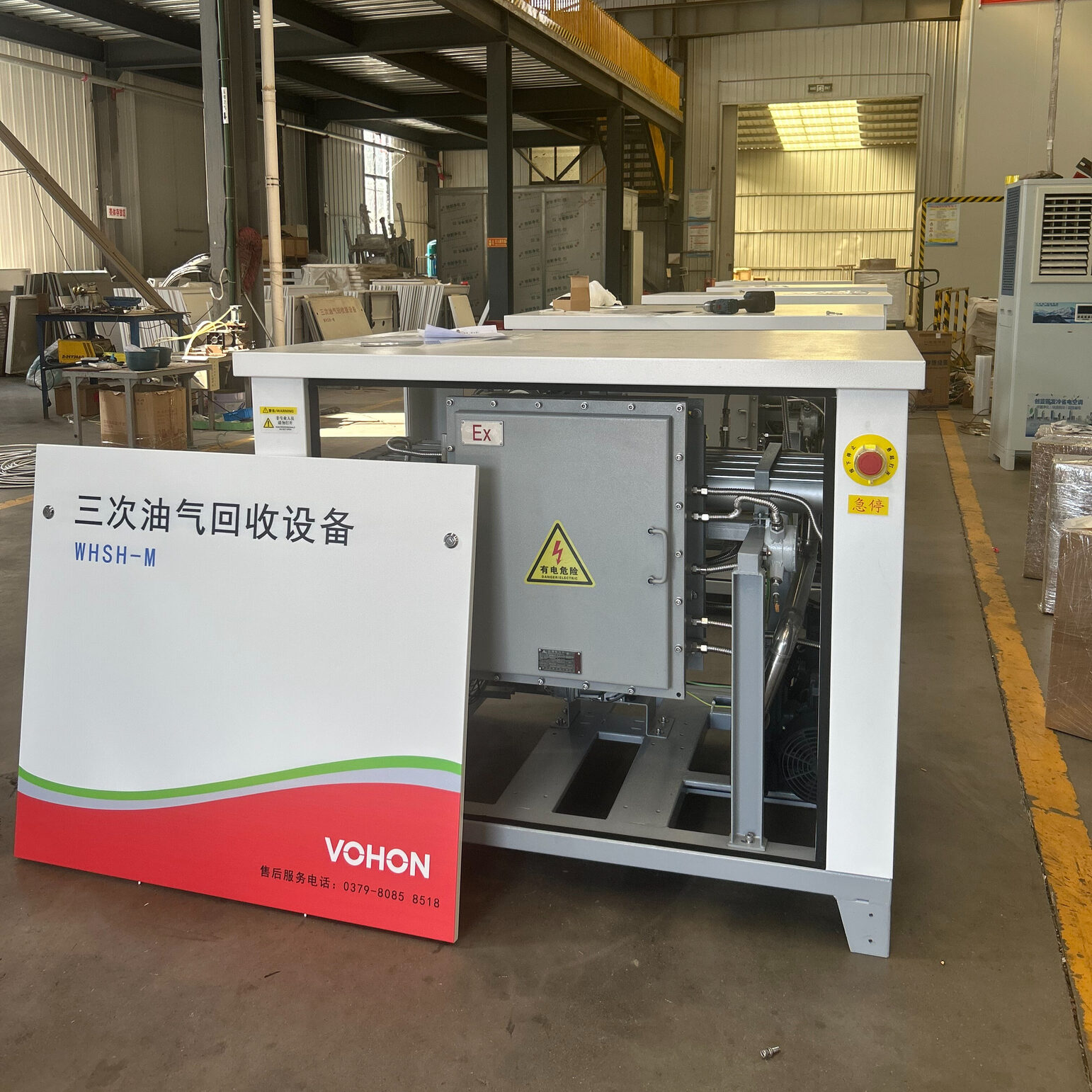
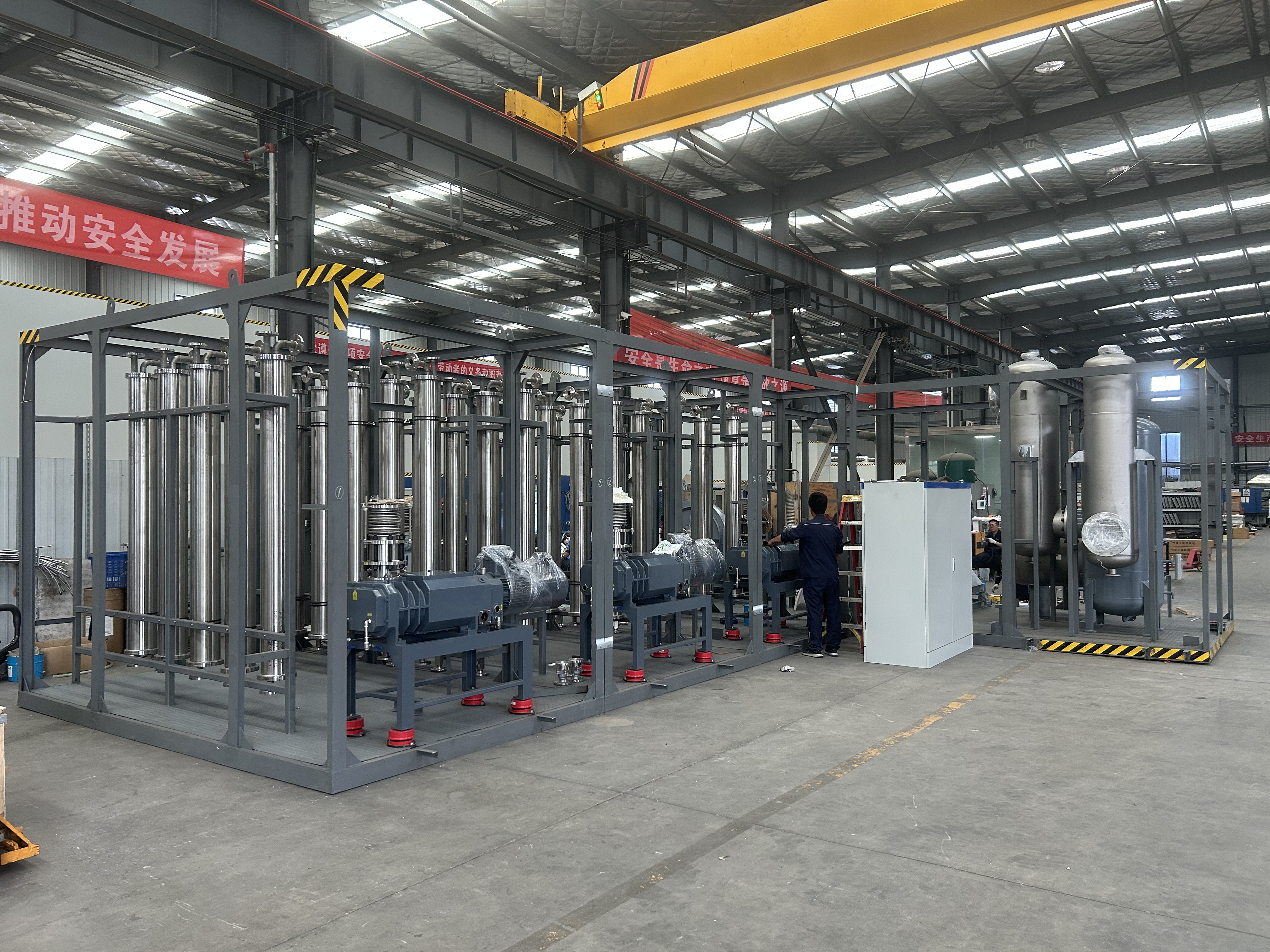
The compressor in the oil and gas recovery device is the main power consumer, especially the operating mode of "24-hour standby and full load during oil unloading", which determines that electricity is the main expenditure. The refrigeration system continuously consumes electricity to maintain the condensation temperature. The higher the load and the lower the temperature, the higher the power consumption. Fans and vacuum pumps come second. By breaking down the power consumption, we can know where to start saving electricity - prioritizing the operation of compressors and refrigeration, which yields more significant benefits, rather than cutting out the electricity for lighting.
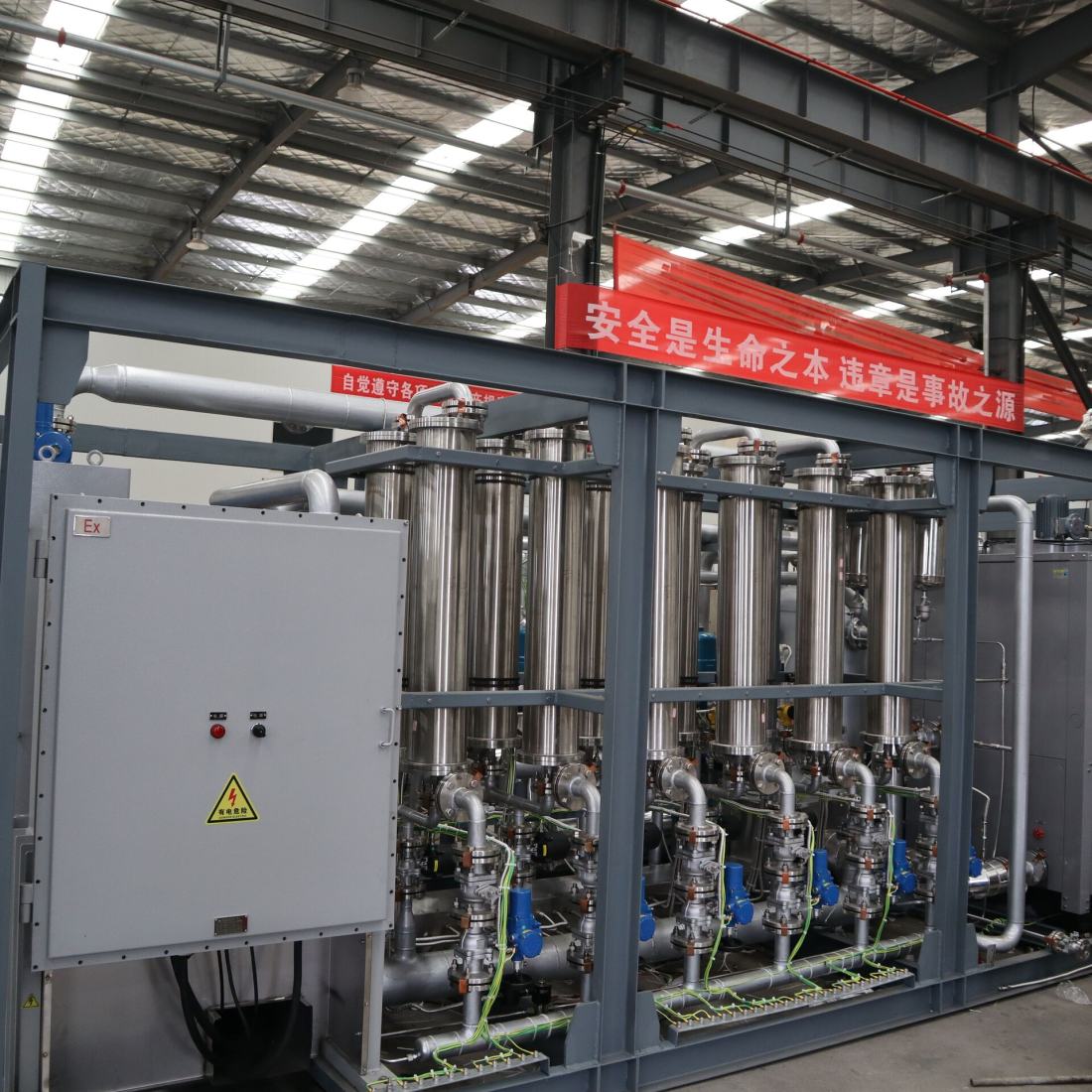
Frequency conversion is a direct energy-saving method: equipped with real-time concentration monitoring equipment, it can automatically adjust the fan frequency, cooling power, or adsorption cycle according to the amount of oil and gas generated. During low concentration periods, it automatically slows down to avoid unnecessary idling. When selecting models, priority should be given to those with variable frequency or adjustable operating conditions, and the processing capacity should be matched according to the actual situation. Do not "pull the cart with a big horse" - choosing a larger specification may result in long-term power consumption. Some sites rely on manual adjustment of operating conditions, which results in large fluctuations and slow response. It is better to let the control system automatically follow, which is both energy-saving and stable.
The lower the condensation temperature, the better. Finding a balance between recovery efficiency and energy consumption can significantly reduce electricity costs: if the temperature is set too low, the refrigeration unit will experience long-term high load, resulting in a sudden increase in electricity consumption but limited improvement in recovery rate. Adsorption regeneration, also known as optimization, involves adjusting the cycle and intensity of vacuum desorption or hot nitrogen regeneration to ensure efficient reuse of the adsorbent without excessive energy consumption. Both of them are activities of "setting value optimization". Compare the historical curve to find the inflection point, and don't stick to it without checking.
The buffer tank smooths out fluctuations in air volume, preventing frequent start and stop of compressors and fans, saving energy and reducing wear and tear. Adding buffering is a cost-effective modification for stations with significant fluctuations in gas volume. The collection end cannot ignore the rapid and sealed connection between unloading and refueling operations, to prevent oil and gas from escaping and causing equipment to operate inefficiently due to leakage; Leakage points result in long-term low efficiency and high consumption of the system, and only with proper sealing can the equipment operate under effective working conditions.
| Segment | Energy saving action | error-prone points | The right way to do it |
|---|---|---|---|
| Compressor | Variable frequency following load | Fixed frequency idle | Low concentration automatic deceleration |
| refrigeration | Find the equilibrium point for temperature | Always seeking low prices | According to the recovery rate curve |
| Adsorption regeneration | Optimal cycle intensity | Overfrequency energy consumption | Adjust parameters according to working conditions |
| buffer | Stabilize fluctuations | Frequent start stop | Add buffer tank |
| Collecting end | Closed docking | Oil and gas dispersion | Rapid sealing reduces inefficiency |
Most of them are worth it: automatic speed reduction during low concentration periods, significant annual electricity cost savings for a single station, and extended motor life; The premise is to choose the right adjustable working condition model, match the specifications according to the actual processing capacity, and avoid using large specifications to carry small loads.
There is no fixed value, find the equilibrium point based on the saturation pressure and recovery rate curve of the components: assuming that the refrigeration power consumption increases sharply and the recovery rate improvement is limited; After commissioning, collect temperature and energy consumption data for comparison, and determine a setting band that meets both standards and saves electricity.
Injury: Frequent starting and stopping of compressors and fans accelerates wear and shortens their lifespan, while also consuming high amounts of electricity; Suppressing fluctuations in the buffer tank is the fundamental solution, and relaxing the parameter threshold to leave a buffer interval can also alleviate it. Don't let the equipment repeatedly switch in and out.
This article by LuoyangWohong PetrochemicalEquipment Co., Ltd. arranges that the company provides design, manufacturing and operation and maintenance services for condensation recovery, membrane separation recovery and complete solvent recovery devices for chemical and pharmaceutical enterprises. If you need process evaluation or scheme configuration, please contact and exchange.
Mr. Li 13526990215

Hotline