How to choose organic vapor recovery membrane components? Direct answer: Selection is not about choosing a membrane, but about calculating three accounts based on the medium, gas volume, and concentration - the medium account determines the membrane area and pretreatment, the recovery account determines the upper limit of investment, and the operation account determines the annual consumption and lifespan. The management focus of membrane components is on the ledger: recording the date of use, flux trend, cleaning records, and replacement nodes of each membrane, and using trends instead of years to determine its lifespan. Media with high concentration and high value should be prioritized for membrane coating, while those with low concentration and large fluctuations should be pretreated or processed in combination. This article explains the management of selection and lifespan ledger.
One of the media accounts: the dominant components, concentration range, and humidity level determine the membrane area and pre-treatment configuration. Rubber separation membranes are effective for most organic vapors, but exhaust gases with dust and water can cause membrane fouling and damage to the separation layer, and pre-treatment must be properly coordinated. Two collections: The value and amount of recyclable components determine the upper limit of investment, and the high concentration and high-value solvent recovery solution quickly dilutes the equipment payment. Three operational accounts: electricity consumption for pressurization and vacuum, and annual investment in filter materials and membrane layers. All three accounts are based on actual measurement data, so the selected configuration will not be reworked.
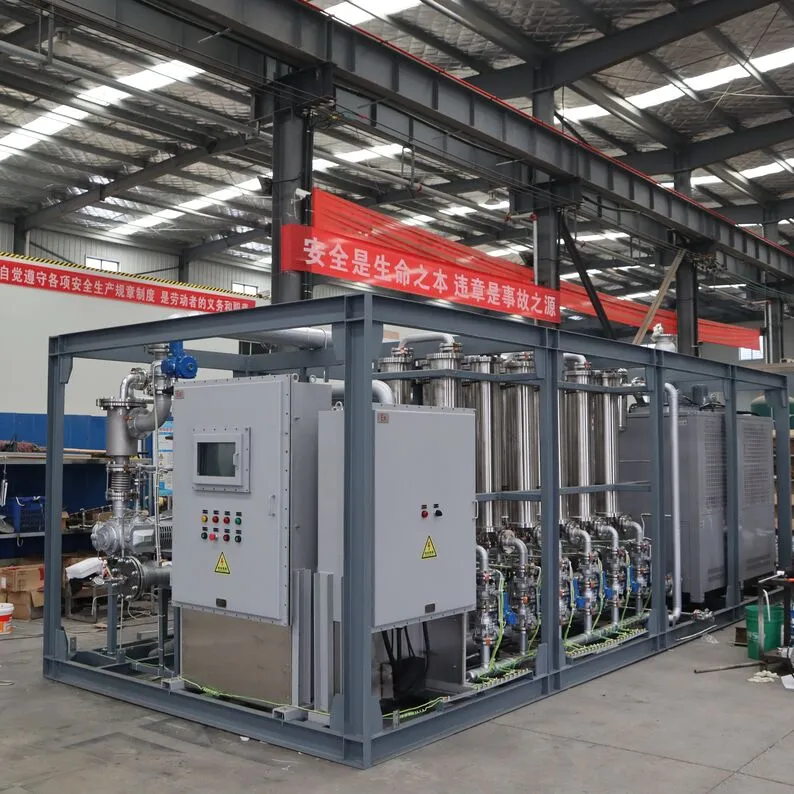
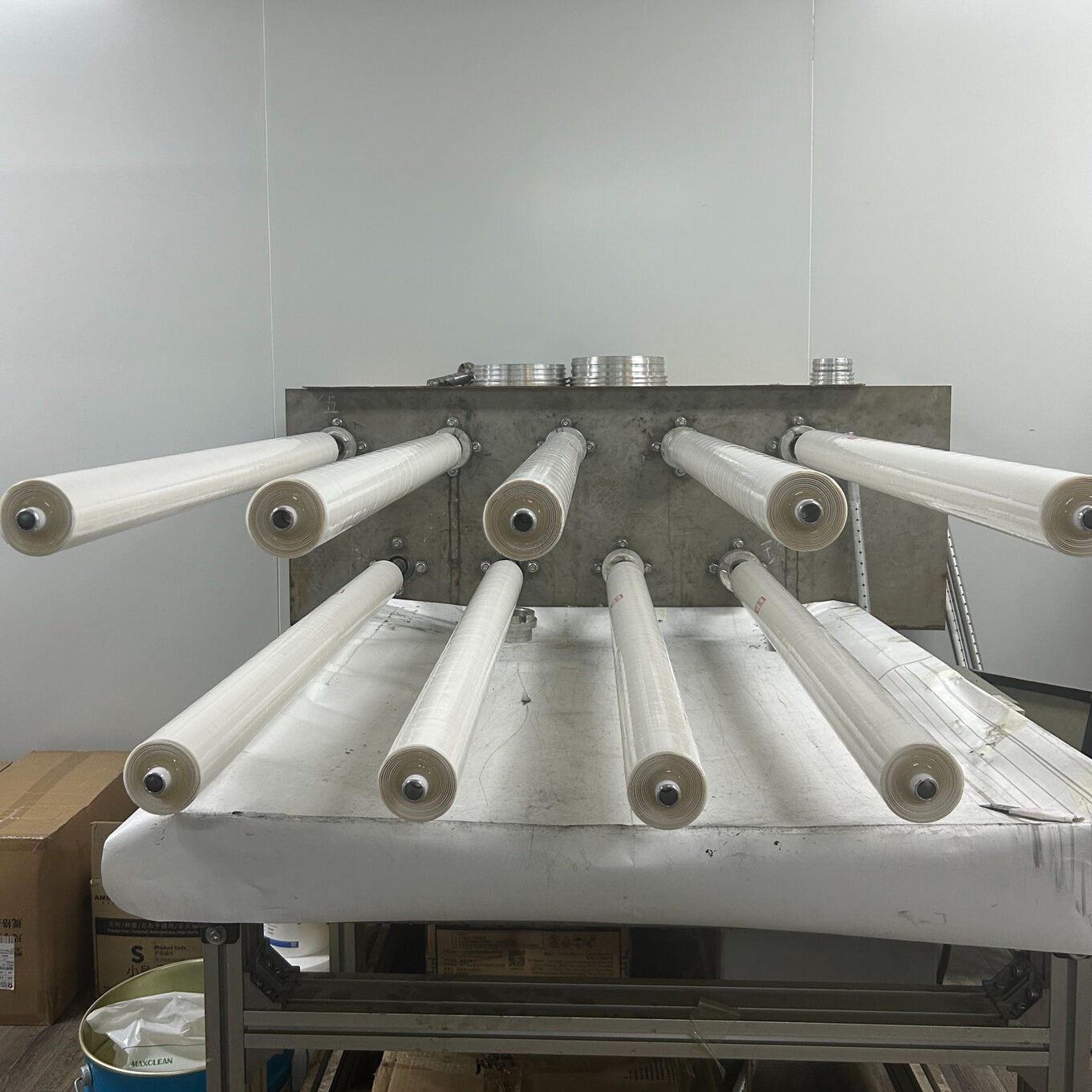
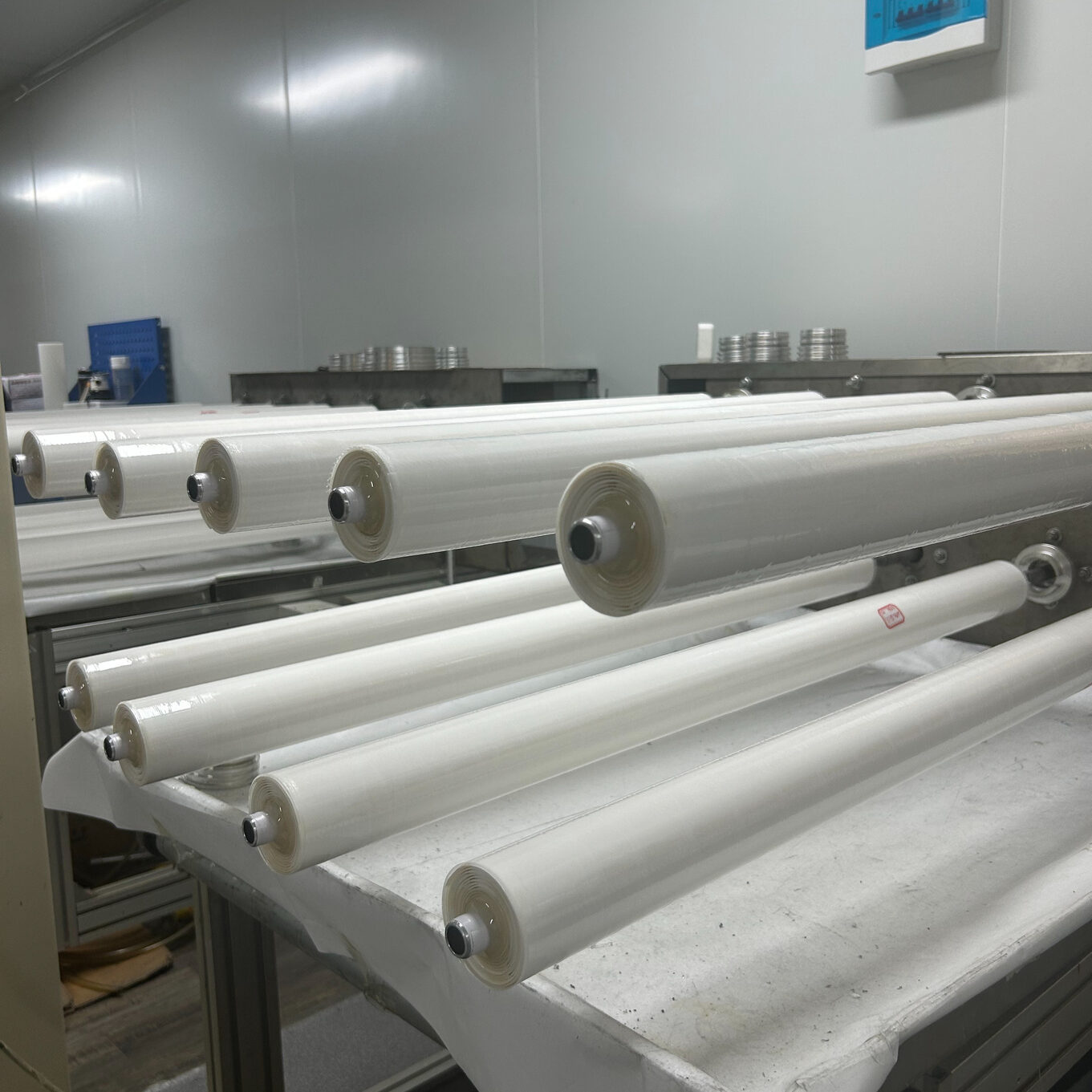
The membrane area is directly related to flux and recovery rate: if the area is too small, the flux will be insufficient and the recovery rate will not improve; The area is too large, resulting in wastage of investment and land occupation. The method of determination is to calculate the required membrane area based on the intake concentration, gas volume, and target recovery rate, and then leave a reasonable margin to cope with fluctuations in operating conditions. In situations with high concentration, large and stable gas volume, the processing efficiency per unit area is high and the membrane area utilization rate is good; For working conditions with large intermittent fluctuations, the front end should be equipped with buffering, and the membrane area should be designed according to the peak value, otherwise the lifespan of the membrane core will be shortened. When selecting, include the input of preprocessing in the general ledger, don't just look at the cheap membrane section itself.
The actual lifespan of membrane components should be based on trends rather than past years: if the cleaning recovery amplitude gradually decreases and the flux continues to decline compared to the baseline, the replacement plan should be followed. The ledger should record four types of data: date and batch of use, daily pressure difference and vacuum degree and permeation side flow rate, date and recovery range of each cleaning, and replacement and spare parts nodes. With a ledger, there is a basis for determining whether to replace or not, no longer relying on intuition. Maintain the pressure difference of the upper filter material and replace it to prevent liquid droplets from falling onto the membrane surface. Stabilize the feed flow and pressure to avoid sudden pressure changes impacting the separation layer. The performance is calibrated quarterly.
Membrane rarely works alone: when combined with condensation, condensation reduces concentration while membrane enriches and recovers residual substances; Combined with adsorption, adsorption bottom and membrane recovery of liquid products. The combination order is determined according to the working conditions, and the common route is to first reduce concentration and then enrich. When selecting, ensure that the load of each section of the process chain is self consistent. If the membrane core is not properly processed at the front end, it will quickly become inactive. The status of the front-end pre-treatment should also be recorded in the ledger, as it is a pre variable of the membrane life.
| Management item | What are you looking at? | Abnormal signal | Action |
|---|---|---|---|
| Media account | Component concentration and humidity | With dust and water | Strengthen preprocessing |
| membrane area | Flux recovery rate | Small but not up to standard | Leave a margin |
| Ledger | Flux trend | Continuously declining | Pre processing check |
| Cleaning | Recovery amplitude | successive decrement | Press to replace |
| combination | Load of each section | Front end deactivation | Adjust the process chain |
No, the area is too small, the flux is insufficient, the recovery rate cannot be improved, and the large area wastes investment and land occupation; Calculating the recovery rate based on the target concentration gas volume and adding a reasonable margin is the most stable.
Observe the trend and arrange for replacement if the cleaning recovery amplitude gradually decreases and the flux continues to decline compared to the baseline; Pre processing results in a significantly longer lifespan, and relying solely on the age limit may not be accurate.
Date of use, daily pressure difference, vacuum degree, permeation flow rate, cleaning and recovery range, replacement nodes; These four categories are complete, with data support for whether or not to replace the film, no longer relying on intuition.
This article by LuoyangWohong PetrochemicalEquipment Co., Ltd. arranges that the company provides design, manufacturing and operation and maintenance services for condensation recovery, membrane separation recovery and complete solvent recovery devices for chemical and pharmaceutical enterprises. If you need process evaluation or scheme configuration, please contact and exchange.
Mr. Li 13526990215

Hotline